Understanding Food Protein-Induced Enterocolitis Syndrome (FPIES)
Food Protein-Induced Enterocolitis Syndrome (FPIES) is a non-IgE-mediated food allergy that mainly affects infants and young children. It causes severe gastrointestinal symptoms hours after eating trigger foods. The American College of Allergy, Asthma & Immunology (ACAAI) offers reliable resources to help families recognize and manage this challenging condition. (38 words)

What Is FPIES?
FPIES differs from typical food allergies. It does not involve IgE antibodies, so skin prick tests or blood tests usually come back negative. Instead, it triggers an immune response in the gastrointestinal tract.
Symptoms appear 1 to 4 hours after eating the trigger food. Repetitive vomiting leads the list, often severe enough to cause dehydration. Many parents describe the sudden onset as terrifying—their active baby becomes pale, limp, and unresponsive.
Common triggers include: - Cow's milk - Soy - Grains like rice, oats, and barley - Certain proteins such as chicken, turkey, fish, or egg
Some children react to just one food, while others have multiple triggers. Geography and age influence common culprits—rice ranks high in the United States, while fish appears more often in other countries.
Recognizing Acute FPIES
Acute FPIES strikes suddenly. Within hours of ingesting the trigger, a child experiences profuse vomiting—sometimes projectile—that continues until the stomach empties. Diarrhea may follow, along with extreme lethargy. In severe cases, children become shock-like: cold, clammy, pale, and hypotensive.
These episodes can mimic sepsis or a severe stomach virus, leading to frequent misdiagnoses and unnecessary antibiotics. Quick recognition saves time and reduces stress.
According to the American College of Allergy, Asthma & Immunology (ACAAI), most reactions resolve within hours once the food clears the system, but severe dehydration often requires emergency care.
Diagnosing FPIES
Diagnosis relies on clinical history because standard allergy tests do not detect FPIES. An allergist listens carefully to symptom descriptions and timing.
In some cases, a supervised oral food challenge confirms the diagnosis or checks if a child has outgrown a trigger. Doctors perform these challenges in a medical setting with IV access ready.
The 2017 International Consensus Guidelines for FPIES, developed with input from leading experts, provide the first evidence-based framework for diagnosis and management worldwide.
Managing FPIES Symptoms Effectively
The cornerstone of management is strict avoidance of known triggers. Work closely with an allergist to create a safe eating plan.
For formula-fed infants reacting to cow's milk or soy, switch to extensively hydrolyzed casein formula or amino acid-based formula. Many babies tolerate these well.
When introducing solids, start with lower-risk foods such as fruits and vegetables (pears, bananas, squash) rather than grains.
Practical Tips for Daily Management
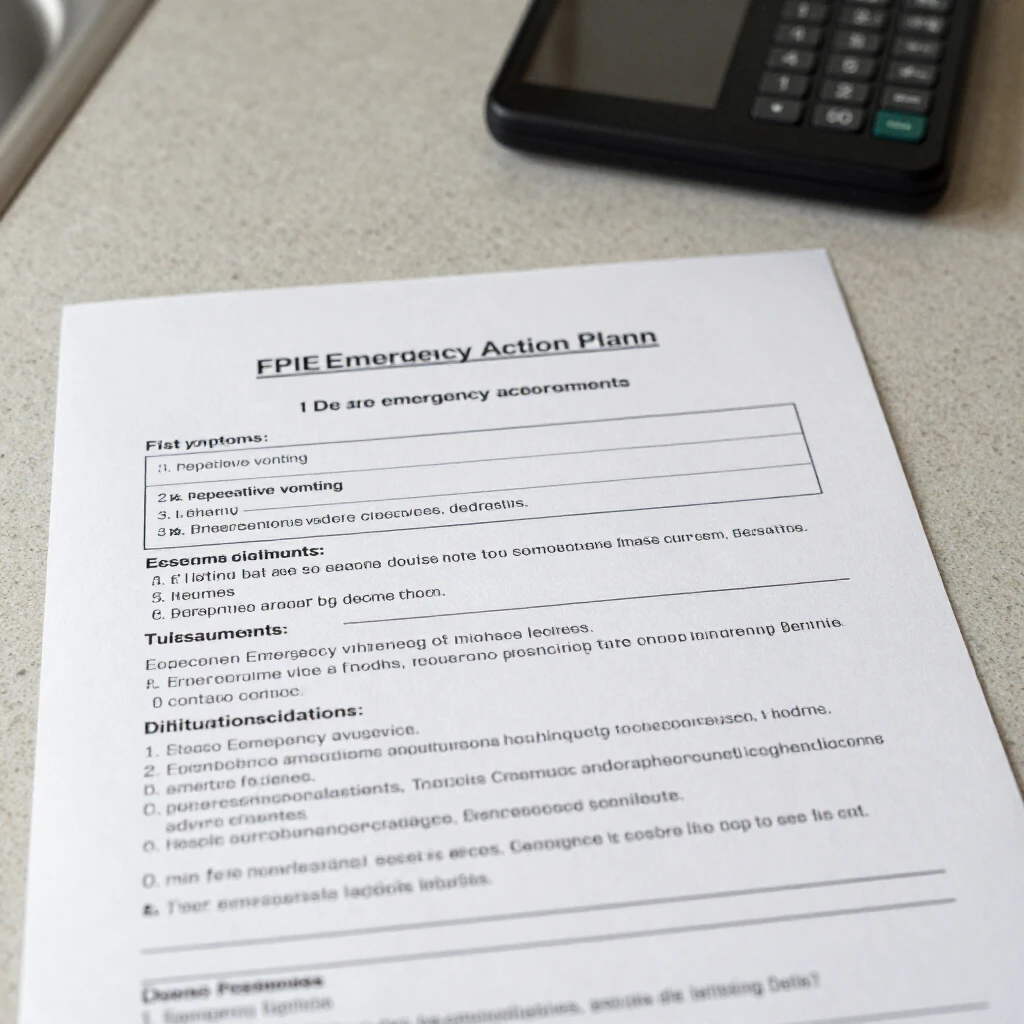
- Carry an emergency letter from your allergist explaining FPIES and treatment
- Educate caregivers, daycare providers, and family members
- Read labels carefully—triggers hide in unexpected places
- Plan ahead for travel and social events
Many families find relief using ondansetron during reactions—it stops vomiting quickly and helps avoid hospital visits.
For detailed patient education, visit the American Academy of Allergy, Asthma & Immunology (AAAAI) FPIES overview.
FPIES and Breastfeeding Considerations
Breastfeeding offers protection for many infants. Reactions through breast milk remain rare, and most experts recommend mothers continue breastfeeding without eliminating foods unless symptoms clearly link to maternal diet.
If an exclusively breastfed baby develops symptoms when solids begin, returning to exclusive breastfeeding often resolves issues quickly.
The Children's Hospital of Philadelphia (CHOP) FPIES page notes that breastfeeding may reduce FPIES risk thanks to protective factors in breast milk.

Outlook and Outgrowing FPIES
Good news—most children outgrow FPIES by age 3 to 5. Regular follow-up with an allergist helps determine when to attempt reintroduction under medical supervision.
Home reintroductions sometimes work for low-risk foods after a period of tolerance, but always discuss with your doctor first.
Final Thoughts
Living with FPIES feels overwhelming at first, but knowledge and preparation make a huge difference. The ACAAI provides excellent Food Protein-Induced Enterocolitis Syndrome Resources to guide families through diagnosis, daily management, and eventual resolution. Partner with a board-certified allergist, stay informed, and connect with support networks—you're not alone on this journey.

Discuss Here