Overview
Families today face unique challenges that can affect everyone's mental health. This comprehensive guide offers accessible mental health resources for families, practical steps to create a supportive home, and ways to tap into community resources for family wellness. You'll find actionable ideas to strengthen connections and build lasting emotional resilience.
(38 words)

Why Mental Health Matters for the Whole Family
Mental health touches every part of family life. When one person struggles, everyone feels it. On the flip side, when family members support each other, everyone thrives. Good mental health helps children focus at school, parents manage stress, and relationships stay strong.
Strong family wellness starts with recognizing that asking for help is a sign of strength, not weakness.
Common Signs to Watch For
Many families miss early warning signs. Look out for: - Persistent sadness or irritability - Withdrawal from favorite activities - Major changes in sleep or appetite - Difficulty concentrating - Increased conflicts or arguments
Catching these early makes a big difference. Open, non-judgmental talks can open the door to healing.
Family Wellness: Simple Steps to a Healthier Home
You don't need big changes to improve family wellness. Start small:
- Create daily check-ins – Spend 10 minutes each evening asking everyone how their day went and how they're feeling.
- Set screen-free time – Share meals or evening walks without phones.
- Practice gratitude together – Each night, share one good thing that happened.
- Establish routines – Consistent bedtimes and meal times reduce anxiety.
- Model healthy coping – Let children see you take deep breaths or go for walks when stressed.
These small habits build trust and emotional safety.

Top Benefits of Joining Community Fitness Classes
Physical activity is one of the most powerful mental health tools. Community fitness classes offer extra advantages:
- Reduced stress and anxiety through endorphin release
- Stronger family bonds from shared experiences
- Built-in social support from meeting other families
- Structured motivation that makes exercise consistent
- Fun variety – dance, yoga, swimming, or family boot camps
Many local recreation centers, YMCAs, and parks departments offer low-cost or free family classes. These programs make wellness accessible and enjoyable.
Community Resources for Family Wellness
Most communities have free or low-cost mental health resources for families:
- School counselors and social workers – Great first contact for children and teens
- Local health departments – Often provide free workshops and screenings
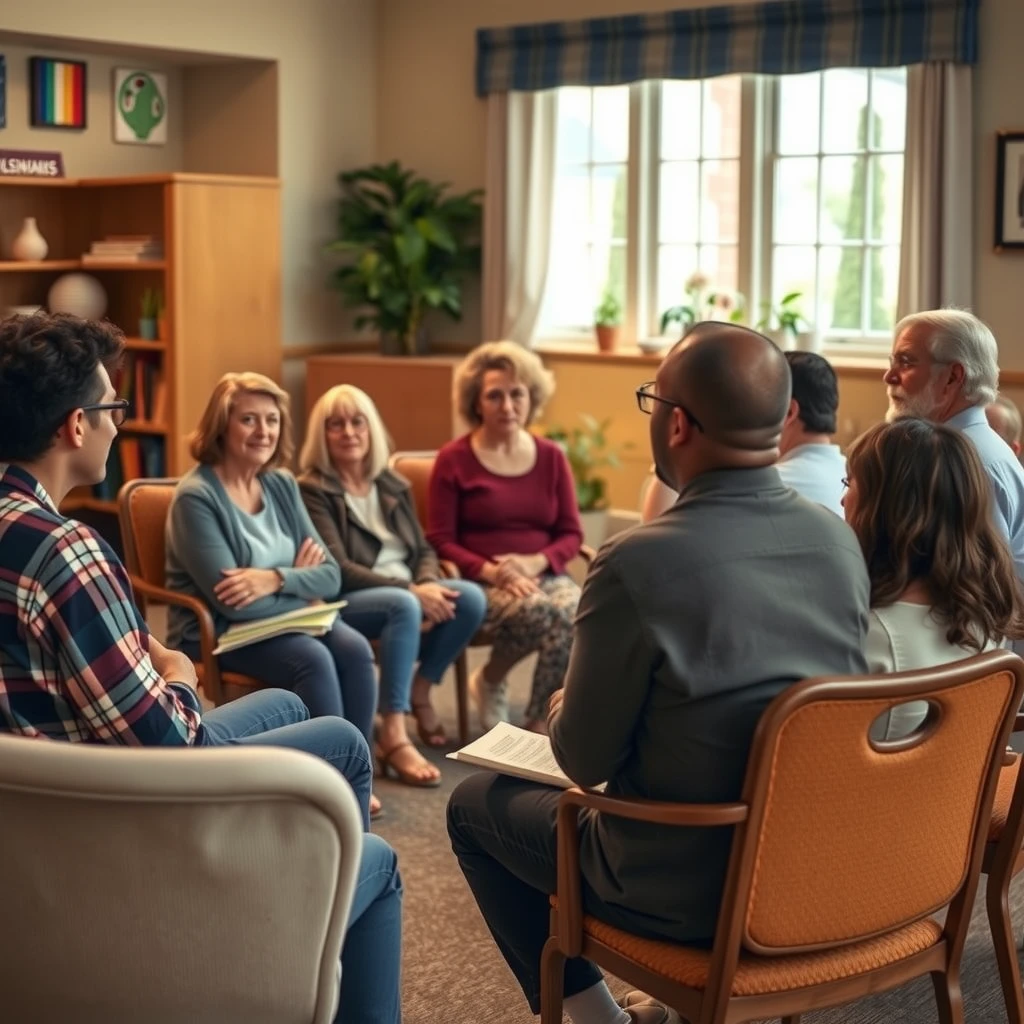
- Parent support groups – Places to share experiences with others facing similar challenges
- Faith-based organizations – Many offer counseling and family programs
- Libraries – Host mental health talks and wellness events
Don't hesitate to call your local 211 service to find specific programs in your area.
| Resource Type | Examples | Best For | Cost |
|---|---|---|---|
| Crisis Support | National Suicide Prevention Lifeline (988), Crisis Text Line (text HOME to 741741) | Immediate help | Free |
| Family Therapy | Local therapists via Psychology Today directory | Ongoing family issues | Varies, many accept insurance |
| Educational Sites | NAMI.org, MentalHealth.gov | Learning about conditions | Free |
| Parent Support | Parents Anonymous groups, Circle of Parents | Parenting stress | Free |
| Youth Programs | Boys & Girls Clubs, Big Brothers Big Sisters | Child/teen support | Low or free |
Professional Help: When and How to Seek It
Professional support works best when started early. Types of help include:
- Individual therapy for specific family members
- Family therapy to improve communication patterns
- Psychiatric care for medication management when needed
- Parent coaching for guidance on challenging behaviors
Many insurance plans cover mental health services. Employee Assistance Programs (EAPs) often provide free initial sessions.
Online Resources and Apps
Reliable digital tools include:
- NAMI (National Alliance on Mental Illness) – www.nami.org offers family support guides and local chapters
- SAMHSA – www.samhsa.gov provides treatment locators and resources
- Mental Health America – www.mhanational.org screening tools and information
- Headspace for families – Guided meditations suitable for all ages
- Calm – Sleep stories and mindfulness exercises
These resources are available 24/7 and can be a great starting point.
Creating Lasting Change
Real stories show what's possible. Many families report that simply starting regular check-ins transformed their home atmosphere. Others found that combining therapy with community fitness classes created breakthrough improvements in mood and relationships.
The key is consistency and compassion – both for others and yourself.
Final Thoughts
Every family faces mental health challenges at some point. What matters most is how you respond. By using available mental health resources for families, practicing simple wellness habits at home, and connecting with community resources for family wellness, you build a stronger, happier family unit.
Start with one small step today. Your family deserves it.

Discuss Here