Allergy-friendly recipes are essential for kids with food allergies to enjoy delicious and safe meals. This article explores the importance of understanding food allergies, provides nutrition tips, and offers a variety of allergy-friendly recipes to ensure children's health and happiness.
Food allergies are a growing concern, especially among children. According to the Centers for Disease Control and Prevention (CDC), food allergies affect approximately 8% of children in the United States. These allergies can range from mild to severe, and in some cases, they can be life-threatening. As a parent of a child with food allergies, I know firsthand the challenges of ensuring their safety while still providing them with nutritious and enjoyable meals.
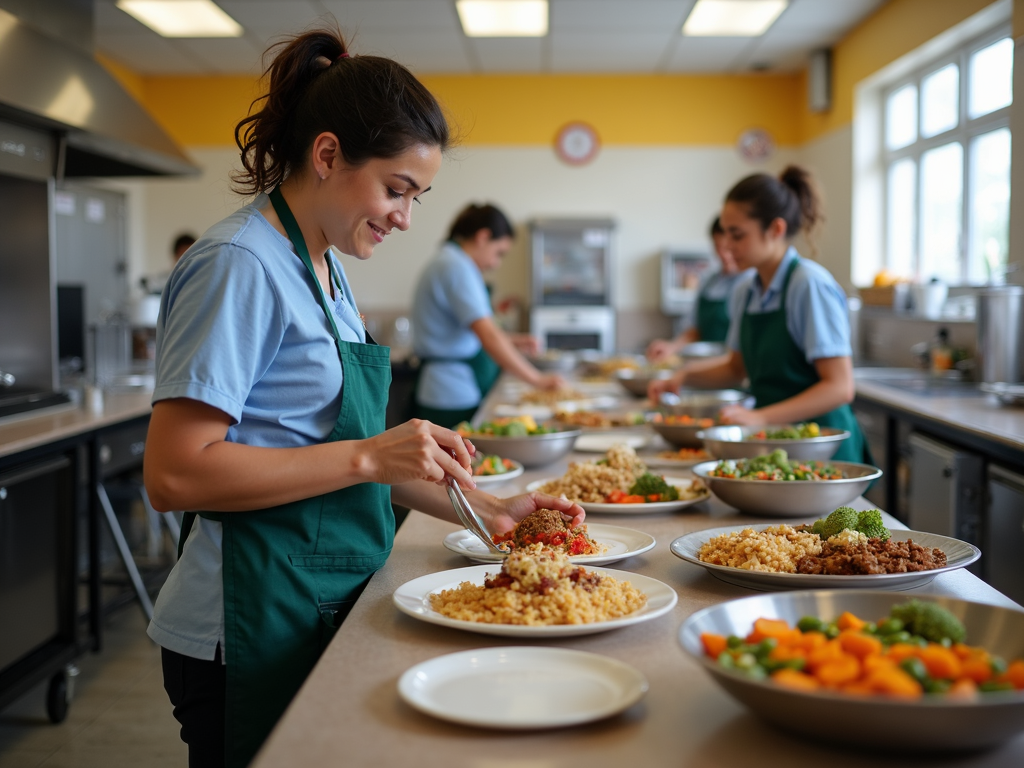
Creating safe school environments is crucial for children with food allergies. Schools must be equipped to handle allergic reactions and have clear protocols in place. This includes training staff on how to recognize and respond to allergic reactions, as well as ensuring that allergy-friendly meals are available in the cafeteria. In my experience, working closely with school staff and providing them with detailed information about my child's allergies has been instrumental in creating a safe environment.
Ensuring that children with food allergies receive proper nutrition can be challenging, but it's not impossible. Here are some tips that have worked for me: - Alternative Ingredients: Look for allergy-friendly alternatives to common allergens. For example, use almond milk instead of cow's milk, or gluten-free flour instead of wheat flour. - Read Labels Carefully: Always check food labels for potential allergens. Even if a product seems safe, it's essential to verify its ingredients. - Plan Ahead: Prepare meals and snacks in advance to ensure you have safe options available. This can be especially helpful for school lunches and snacks.
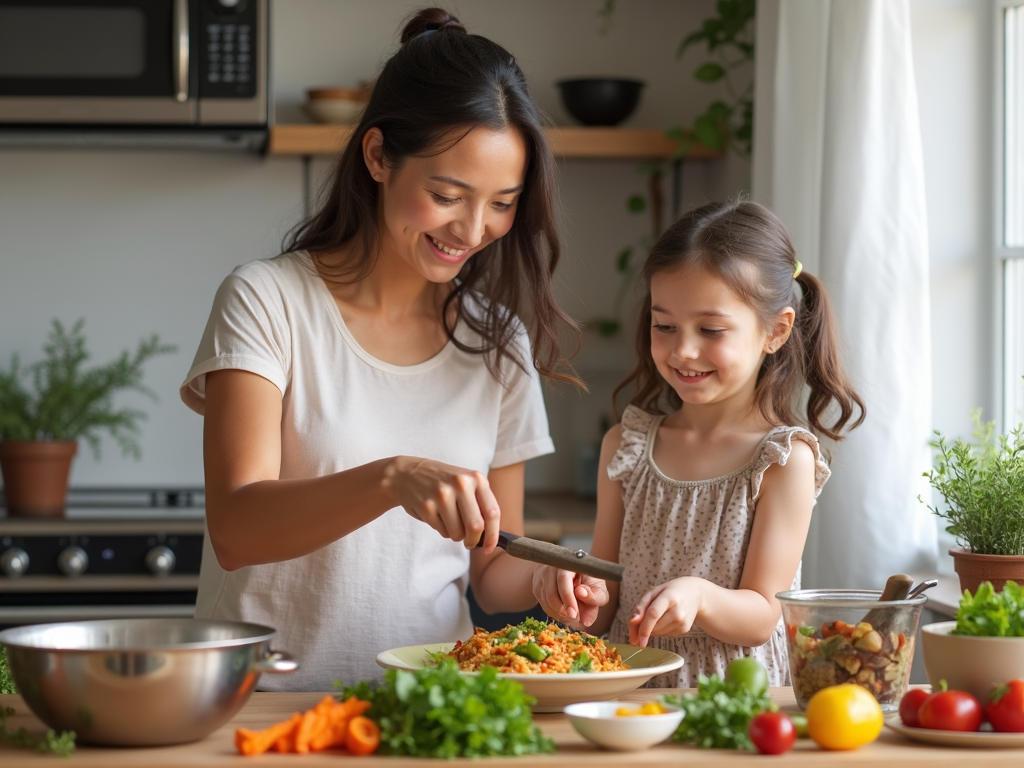
One of my favorite nutrition tips is to involve my child in the cooking process. This not only teaches them about their allergies but also empowers them to make safe food choices. Together, we've discovered many delicious recipes that are both safe and satisfying.
Here are some of my favorite allergy-friendly recipes that are perfect for kids.
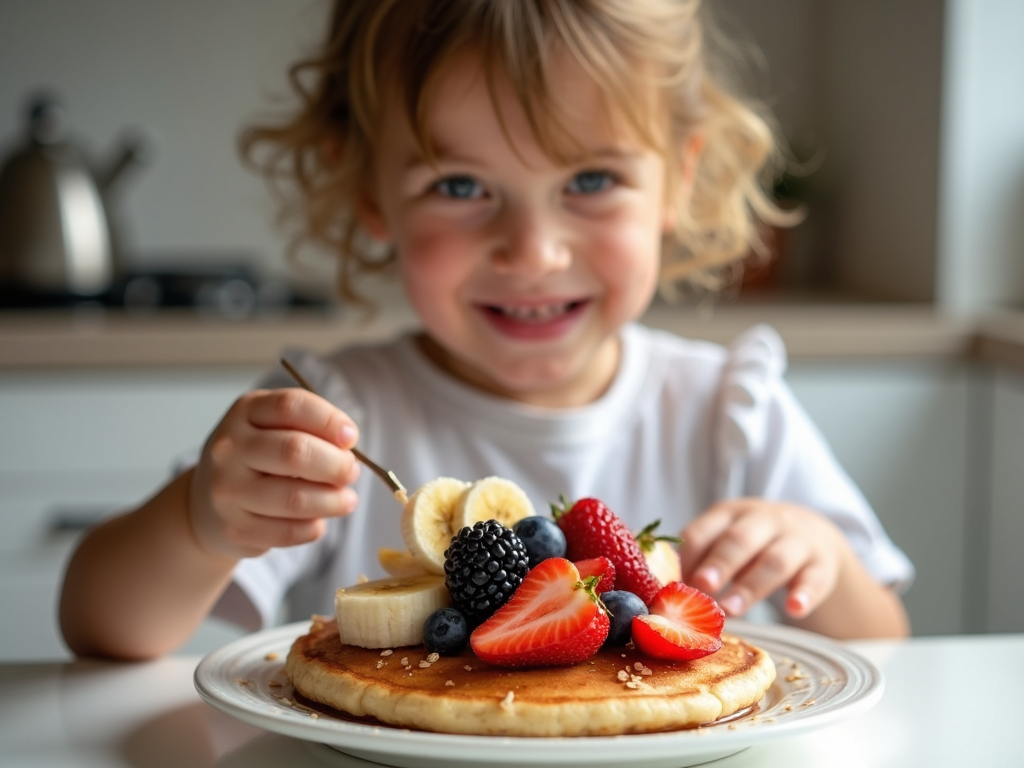
Breakfast: Banana Oat Pancakes
- Ingredients: 1 ripe banana, 1 cup gluten-free oats, 1/2 cup almond milk, 1 tsp cinnamon
- Instructions: Mash the banana and mix with oats, almond milk, and cinnamon. Cook on a non-stick pan until golden brown.
Lunch: Turkey and Avocado Roll-Ups
- Ingredients: Sliced turkey, avocado, gluten-free tortillas
- Instructions: Spread avocado on the tortilla, add turkey slices, and roll up.
Dinner: Quinoa and Veggie Stir-Fry
- Ingredients: Quinoa, mixed vegetables (e.g., bell peppers, broccoli, carrots), gluten-free soy sauce
- Instructions: Cook quinoa according to package instructions. Sauté vegetables in a pan, add cooked quinoa, and season with soy sauce.
Snack: Apple Slices with Almond Butter
- Ingredients: Apple slices, almond butter
- Instructions: Dip apple slices in almond butter for a tasty and nutritious snack.
These recipes are not only safe for kids with allergies but also delicious and easy to prepare. My child loves helping me make these meals, and it's a great way to spend quality time together.
Acute Food Protein-Induced Enterocolitis Syndrome (FPIES) is a severe food allergy that can cause vomiting, diarrhea, and dehydration. Managing acute FPIES in school settings requires careful planning and communication. Here are some strategies that have worked for me: - Educate School Staff: Provide detailed information about acute FPIES and how to recognize its symptoms. - Emergency Plan: Work with the school to develop an emergency plan that includes steps to take in case of an allergic reaction. - Safe Snacks: Ensure that the school has a list of safe snacks and meals for your child.
In my experience, open communication with school staff and regular check-ins have been key to managing my child's acute FPIES. It's also important to educate other parents and students about the condition to create a supportive environment.
Allergy-friendly recipes are essential for ensuring that children with food allergies can enjoy delicious and safe meals. By understanding food allergies, providing proper nutrition, and creating safe school environments, we can help our children thrive. Remember to involve your child in the cooking process and communicate openly with school staff to ensure their safety.
Recommended Readings:
- Nutrition Tips for Children with Food Allergies
- Understanding Food Allergies: Building Safe School Environments
- Acute FPIES and School Safety
A photo of a child happily eating a banana oat pancake for breakfast. The pancake is golden brown and topped with fresh fruit. The child is smiling and holding a fork, clearly enjoying the meal.
A photo of a school cafeteria with staff members trained in food allergy safety. The staff are wearing gloves and preparing allergy-friendly meals. The cafeteria is clean and well-organized, with clear signage indicating allergy-friendly options.
A photo of a child and parent cooking together in the kitchen. They are making quinoa and veggie stir-fry, with the child helping to stir the vegetables. The kitchen is bright and cheerful, with fresh ingredients on the counter.

Discuss Here