Is your child always on the go? Discover how to keep their energy levels high with these simple, parent-approved healthy eating tips.
Introduction: The Link Between Nutrition and Activity
As a parent of two energetic boys, I know how tough it can be to keep up with their food needs. Between soccer practice, bike rides, and endless games of tag, their little bodies are always burning energy. I remember when my youngest started soccer—he’d come home starving, and I’d scramble to find something healthy yet filling. After some trial and error, I learned that planning and creativity make feeding active kids easy and fun.
Good food is the backbone of a child’s growth and health. For active kids, it’s a must. The right foods give them the power to play, learn, and grow. They build strong bones and muscles, boost their immune system, and even help with mood and focus. According to the American Academy of Pediatrics, proper nutrition is key to kids’ well-being. In this guide, I’ll share tips and real-life insights to help you fuel your child’s adventures.
Essential Nutrients for Active Kids
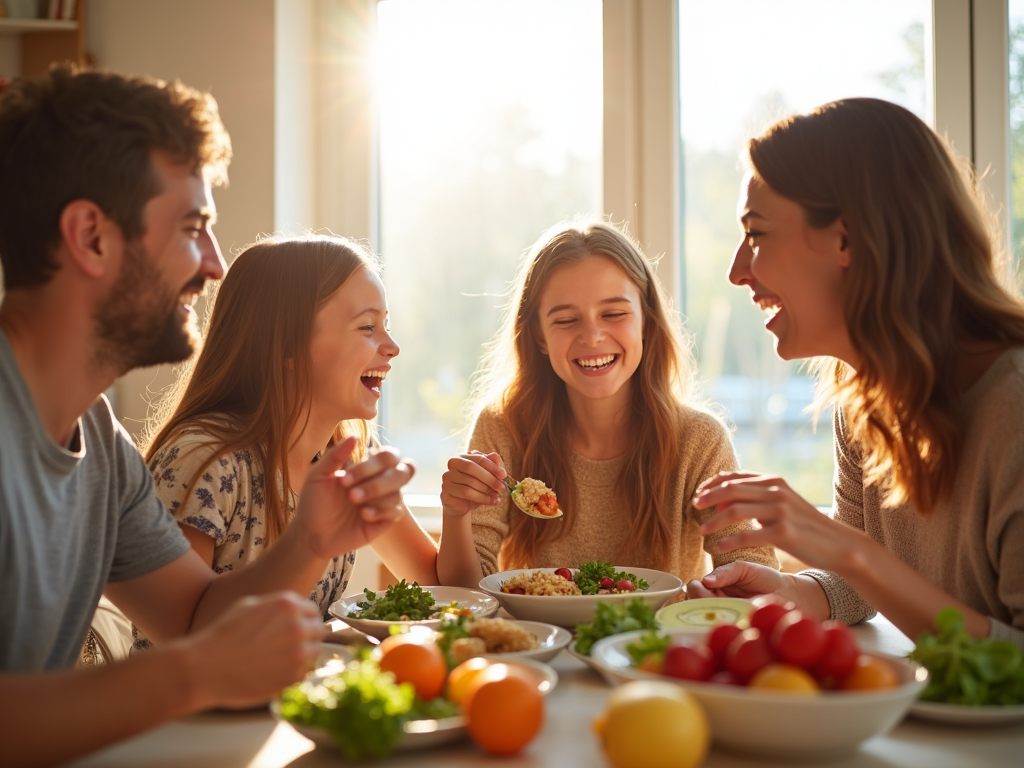
Active kids need a mix of foods to stay strong and healthy. Here’s what to focus on:
-
Protein: Builds and fixes muscles. Use lean meats like chicken or turkey, fish like salmon or tuna, eggs, beans, lentils, and nuts like almonds or walnuts. A Harvard School of Public Health study shows protein’s role in kids’ growth.
-
Carbs: Provide energy. Go for whole grains like brown rice, whole wheat bread, and oats, plus fruits like apples, bananas, and berries, and veggies like sweet potatoes and spinach.
-
Healthy Fats: Help brain growth and energy. Try avocados, nuts, seeds, and olive oil.
-
Vitamins and Minerals: Keep kids healthy. Offer lots of colorful fruits and veggies.
-
Calcium and Vitamin D: Strengthen bones. Include milk, yogurt, cheese, or fortified options like almond milk.
Balance matters. Skip processed foods with too much sugar or bad fats—they can tire kids out or cause health problems.
Here’s a sample day’s menu:
- Breakfast: Oatmeal with bananas and almond butter.
- Snack: Apple slices with cheese.
- Lunch: Turkey and avocado wrap with carrot sticks.
- Snack: Greek yogurt with berries.
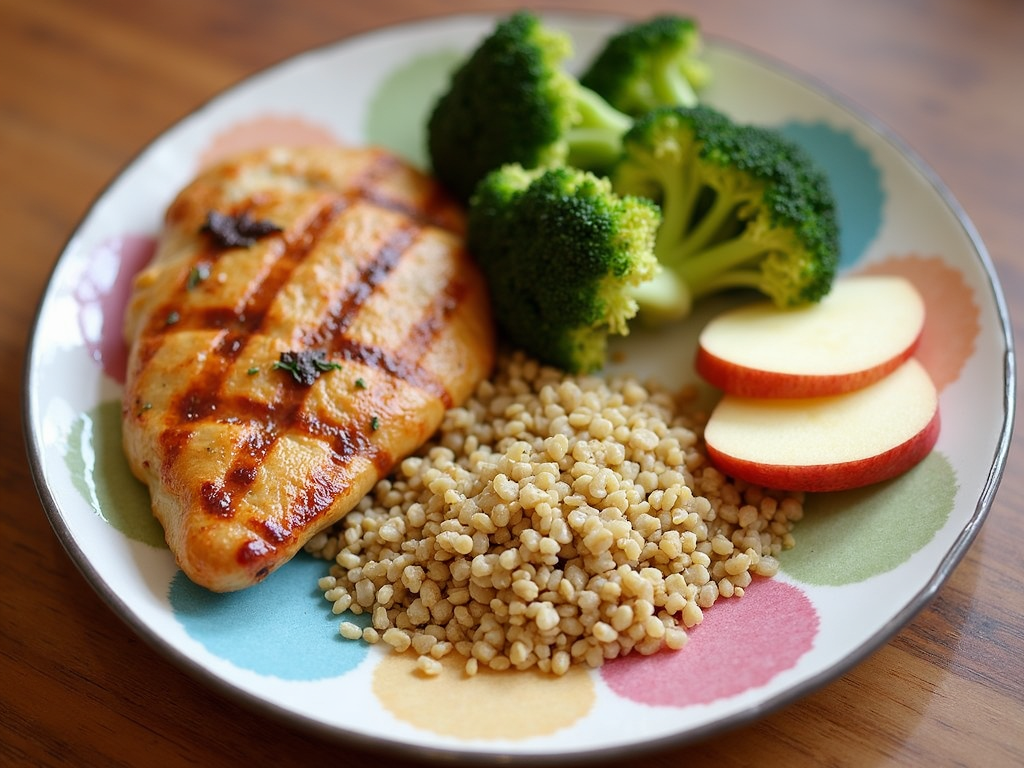
- Dinner: Grilled salmon with quinoa and broccoli.
Meal Planning for Busy Families
Planning meals saves time and keeps your family eating well. Try these tips:
-
Get Kids Involved: Let them pick meals for the week. They’re more likely to eat what they choose.
-
Prep Ahead: Spend a weekend hour cutting fruits and veggies, making energy bars, or cooking soup.
-
Keep It Simple: Stick to easy, whole foods—no need for fancy recipes.
-
Use a Plan: A weekly schedule helps. Here’s an example:
| Day | Breakfast | Lunch | Dinner |
|---|---|---|---|
| Monday | Oatmeal with fruit | Turkey sandwich | Chicken with veggies |
| Tuesday | Yogurt with berries | Bean salad | Fish tacos |
| Wednesday | Eggs and toast | Leftovers | Pasta with tomato sauce |
Tweak it to fit your family’s tastes. Theme nights like ‘Taco Tuesday’ can add fun too!

Snack Smart: Healthy Options for On-the-Go
Snacks keep energy steady between meals. Here are some ideas:
- Fruit: Apples, bananas, grapes, or berries—easy and sweet.
- Nuts and Seeds: Almonds, walnuts, or pumpkin seeds for protein and fats.
- Yogurt: Plain with fruit or honey added.
- Veggie Sticks: Carrots, celery, or bell peppers with hummus.
- Energy Bars: Mix oats, nuts, dried fruit, and peanut butter—bake or chill.
For Healthy Summer Snacks for Active Families, try these:
- Fruit Kabobs: Skewer watermelon, pineapple, and grapes.
- Yogurt Parfaits: Layer yogurt with berries and granola.
- Smoothie Popsicles: Blend fruit, yogurt, and juice, then freeze.
My kids love helping make popsicles—it’s a treat and a project!
Hydration: Keeping Kids Watered
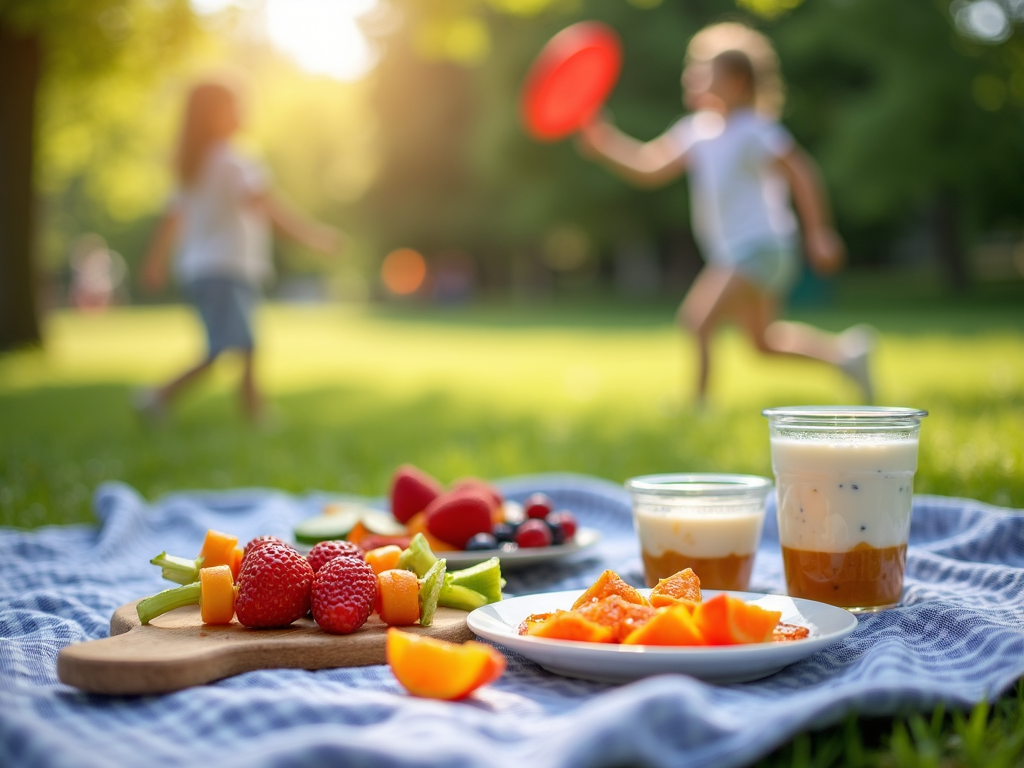
Water is vital for active kids, especially in summer. The Mayo Clinic says it keeps them focused and energized. Watch for dry lips or dark urine—signs they need more.
Tips to help:
- Make It Fun: Use cool bottles or add fruit slices like lemon or berries.
- Remind Them: Tell them to sip often, especially when playing.
- Show Them: Drink water yourself—they’ll follow.
- Check Color: Light yellow urine means they’re good; dark means more water.
I keep a water bottle handy at every game or outing—it’s a lifesaver.

Making Healthy Choices Appealing
Getting kids to eat well takes effort, but it works with these ideas:
- Cook Together: Let them pick recipes or chop veggies. My boys love making their own wraps.
- Make It Fun: Shape sandwiches with cutters or make fruit faces.
- Be a Role Model: Eat healthy yourself—kids copy what they see.
- Offer Choices: ‘Carrots or cucumber with hummus?’—they feel in charge.
- Be Patient: New foods might take time. Keep trying without pushing.
We started a ‘new veggie’ game—each week, they try one. It’s slow, but they’re eating more greens now!
Summer Special: Seasonal Eating and Activities
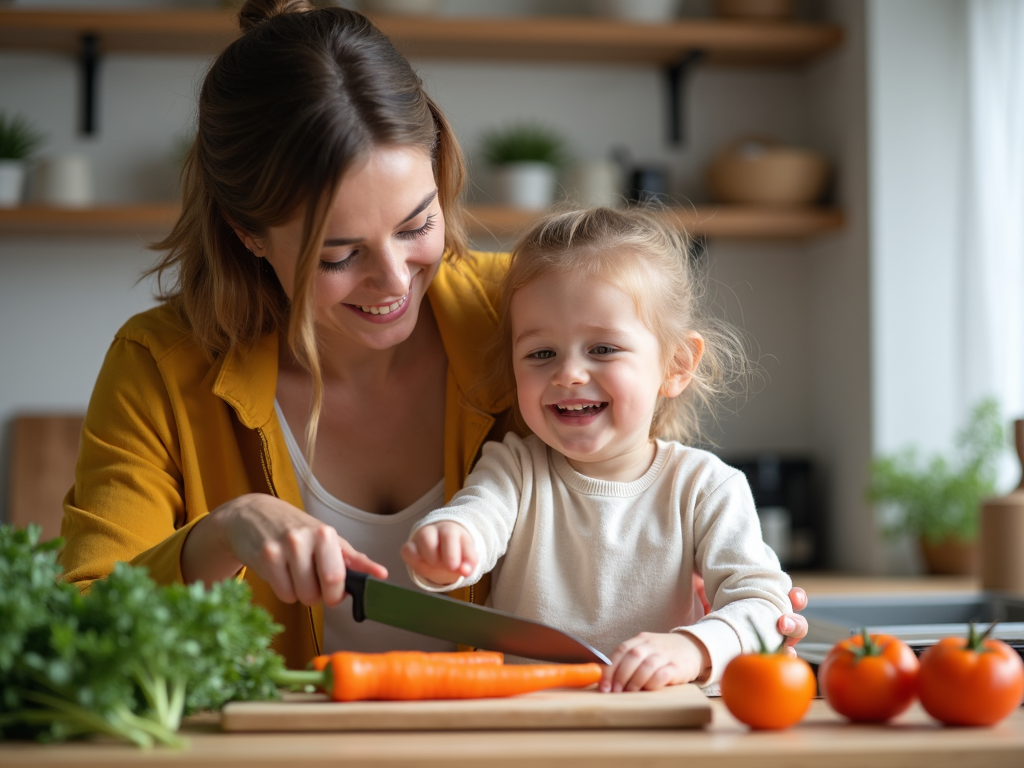
Summer brings fresh foods and fun. Here’s how to enjoy it:
Healthy Summer Snacks: - Watermelon Slices: Cool and juicy. - Frozen Grapes: A chilly treat. - Caprese Skewers: Tomato, cheese, and basil.
Family Fitness Activities for Summer: - Beach Days: Swim or play volleyball. - Hiking: Hit a trail together. - Biking: Ride around the neighborhood. - Summer Fitness Challenges Involving 5K Runs: Join a local 5K race or set up your own. My family did a backyard 5K—it was a blast!
Check Running USA for local events. Fresh food and movement make summer unforgettable.

Conclusion: Building Lifelong Healthy Habits
Feeding active kids is simple with the right approach. Focus on balanced meals, smart snacks, plenty of water, and fun food ideas. You’ll give them the energy and strength to thrive.
Start small—try a new snack or plan a meal together. These steps build habits for a healthy, happy life. For more ideas, see our recommended readings below.

Discuss Here