Overview
Applied Behavior Analysis (ABA) is a therapy that uses scientific principles to understand and change behavior. It's often used for children with autism but can benefit anyone. This guide helps parents understand ABA and how to use its strategies at home to support their child's development and manage behaviors effectively.

What is Applied Behavior Analysis?
ABA is based on the science of learning and behavior. It involves understanding how behavior works, how it's affected by the environment, and how learning takes place. The goal is to increase helpful behaviors and decrease harmful ones.
At its core, ABA uses principles like reinforcement and punishment. Reinforcement encourages a behavior to happen again, while punishment discourages it. For example, praising your child when they share a toy reinforces sharing behavior.
ABA also involves breaking down complex skills into smaller, manageable steps. This is called task analysis. For instance, teaching a child to brush their teeth might involve steps like picking up the toothbrush, applying toothpaste, brushing each section of teeth, and rinsing.
The Principles of ABA
ABA is based on several key principles:
- Antecedent: What happens before the behavior. This could be a trigger or a cue.
- Behavior: The action or response.
- Consequence: What happens after the behavior, which can reinforce or punish the behavior.
By understanding the ABCs, parents can identify patterns in their child's behavior and intervene effectively. For example, if a child tantrums (behavior) when asked to turn off the TV (antecedent), and the parent gives in and lets them watch more (consequence), the tantrum is reinforced. Instead, parents can use ABA strategies to change the antecedent or consequence to encourage desired behavior.

Why ABA is Important for Parents
Understanding ABA can empower parents to support their child's development effectively. It provides tools to manage challenging behaviors and teach new skills. ABA strategies can be used in everyday situations, making parenting more manageable and less stressful.
For example, if your child has trouble transitioning between activities, ABA techniques like visual schedules can help. Or, if your child struggles with communication, ABA can teach them alternative ways to express their needs.
Moreover, ABA is evidence-based, meaning it's backed by research and proven to be effective. By using ABA strategies, parents can feel confident they're using methods that work.
Personal Story: How ABA Helped My Child
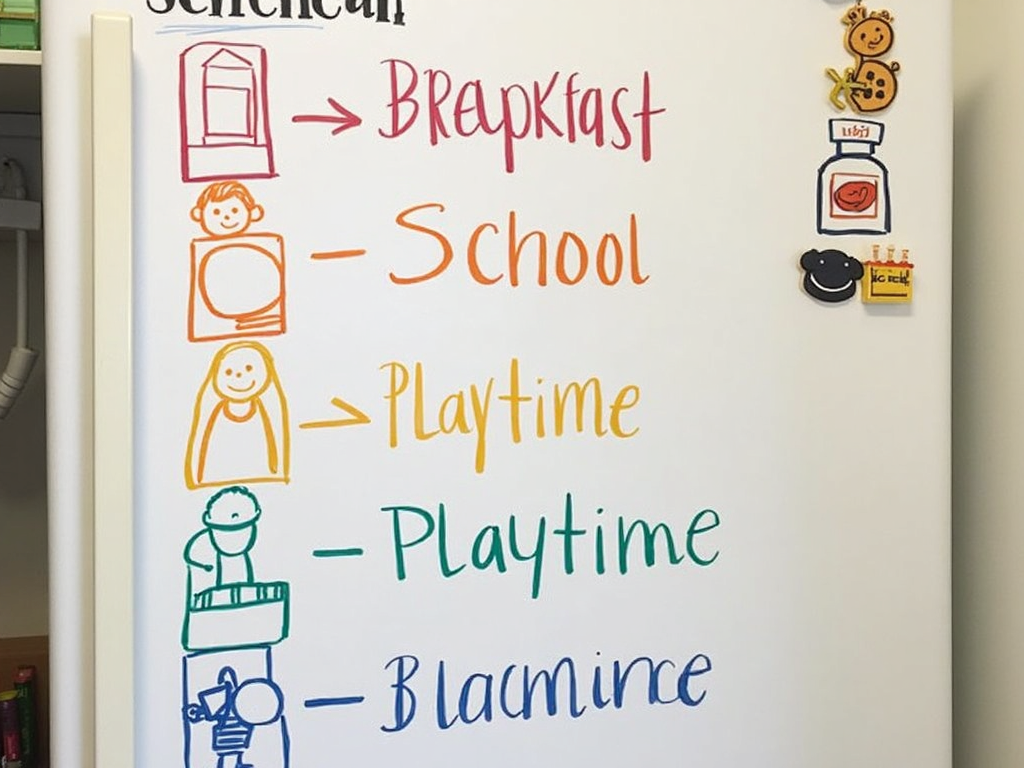
When my son was diagnosed with autism, I felt overwhelmed. He struggled with transitions and often had meltdowns. After learning about ABA, I started using visual schedules. I created a simple schedule with pictures for his morning routine: wake up, brush teeth, get dressed, eat breakfast. At first, he was resistant, but with consistency and reinforcement, he began to follow the schedule. Now, he proudly checks off each task and feels more in control. ABA has made a huge difference in our lives.
Visual Schedules: A Key ABA Strategy
Visual schedules are a powerful tool in ABA. They use pictures or symbols to represent tasks or activities, helping children understand what's expected of them and what's coming next. This can reduce anxiety and improve behavior.
Why Visual Schedules Change Lives: For children who struggle with transitions or understanding verbal instructions, visual schedules provide clarity and predictability. They can be used for daily routines, specific tasks, or even social stories.
Making Visual Schedules That Kids Love: To create an effective visual schedule, use images that are meaningful to your child. You can use photos, drawings, or icons. Make it interactive by letting your child move or check off completed tasks. Keep it simple and consistent.
Step-by-Step Guide to Creating a Visual Schedule
- Identify the tasks or activities you want to include. Start with a simple routine, like bedtime.
- Choose images that are meaningful to your child. You can use photos, clipart, or drawings.
- Arrange the images in the order of the routine. You can use a board, a binder, or even a digital app.
- Introduce the schedule to your child. Explain each step and what is expected.
- Use the schedule consistently. Encourage your child to follow it and provide reinforcement for completing tasks.
- Adjust as needed. If your child struggles with a particular step, break it down further or provide additional support.

Creating Consistent Routines
Consistency is key in ABA. Establishing consistent routines helps children feel secure and understand expectations. It also makes it easier to reinforce positive behaviors.
The Importance of Consistency: When routines are consistent, children know what to expect, which can reduce anxiety and acting out. Consistency also helps in learning new skills, as repetition is crucial for mastery.
How to Create Consistent Routines for Children: Start by identifying key daily activities, like waking up, meals, homework, and bedtime. Create a routine for each, with clear steps and expectations. Use visual schedules or checklists to reinforce the routine. Be patient and consistent, and praise your child for following the routine.
Handling Disruptions to Routines: Sometimes, routines get disrupted, like during holidays or illnesses. Prepare your child in advance if possible, and use ABA strategies to manage the change. For example, create a special visual schedule for the disruption period.
Practical Tips for Parents
Here are some Applied Behavior Analysis strategies for parents to use at home:
- Use positive reinforcement: Praise or reward your child when they exhibit desired behaviors.
- Be consistent: Stick to routines and consequences.
- Break tasks into smaller steps: Make learning new skills manageable.
- Use visual aids: Visual schedules, charts, and social stories can be very effective.
- Stay calm: Model the behavior you want to see in your child.
Remember, every child is different. What works for one might not work for another. Be patient and flexible, and don't hesitate to seek professional help if needed.

Summary
Understanding Applied Behavior Analysis can be a game-changer for parents. By using ABA strategies like visual schedules and consistent routines, you can support your child's development and manage behaviors effectively. Remember, you're not alone—there are many resources and communities to help you on this journey.

Discuss Here