Overview: Looking for creative ways to engage your kids while boosting family wellness? Here are 10 fun gardening projects perfect for weekends. From pizza gardens to fairy wonderlands, these activities entertain and teach kids about nature—indoors or out.
Gardening brings families together in a special way. It’s more than just planting seeds—it’s about sparking curiosity, encouraging creativity, and teaching kids responsibility. I’ve seen my own children light up as they dig in the dirt or harvest their first tomato. Plus, it’s one of the best family wellness activities for weekends, getting everyone moving and eating healthier. This article dives into 10 fun gardening projects for kids that are easy, educational, and exciting. Whether you’ve got a big backyard or a tiny apartment, there’s something here for you. Let’s get growing!
Project 1: Planting a Pizza Garden
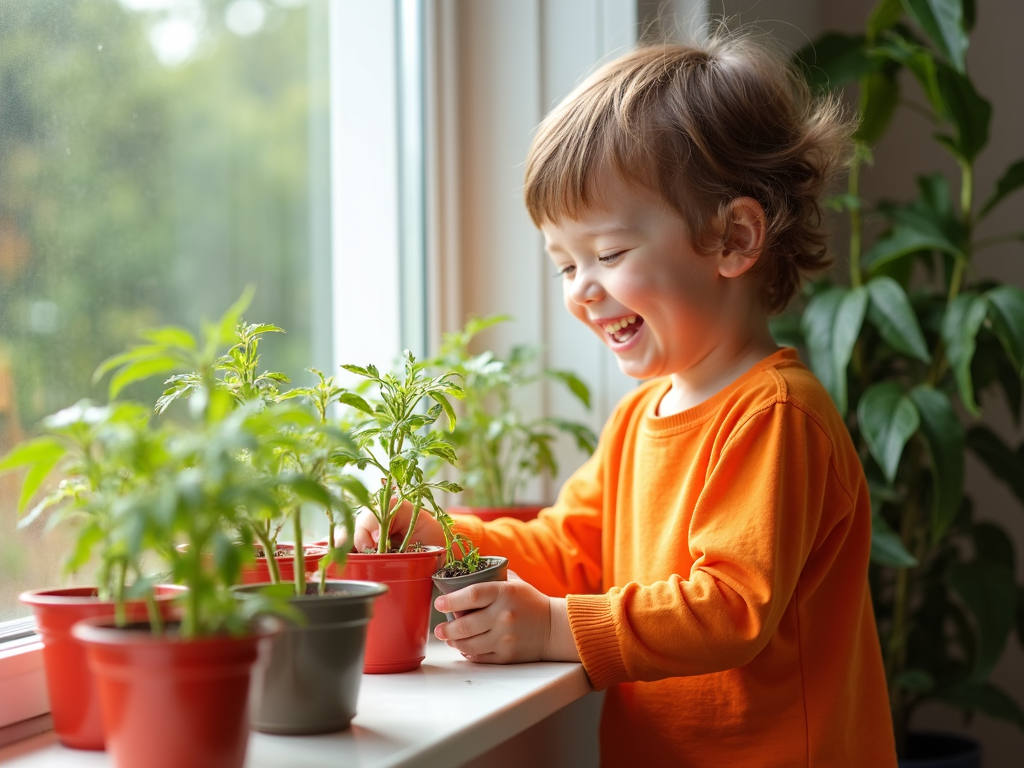
A pizza garden is a tasty way to show kids where food comes from. You grow pizza toppings like tomatoes, basil, and peppers. My kids loved picking fresh basil for our homemade pizza nights—it felt like magic to them!
Materials: - Small pots or a garden bed - Soil - Tomato, basil, and pepper seeds or seedlings - Watering can - Labels
Steps: 1. Pick a sunny spot—outside or on a windowsill. 2. Fill pots or a bed with soil. 3. Plant seeds or seedlings (check packets for depth). 4. Water them regularly. 5. Harvest and cook a pizza together!
Tips: Start with cherry tomatoes—they’re quick and kid-friendly. Let kids water and label plants. Talk about how sunlight helps plants grow.
Why It’s Great: Kids learn about food sources, eat healthier, and bond over cooking.
Project 2: Creating a Fairy Garden
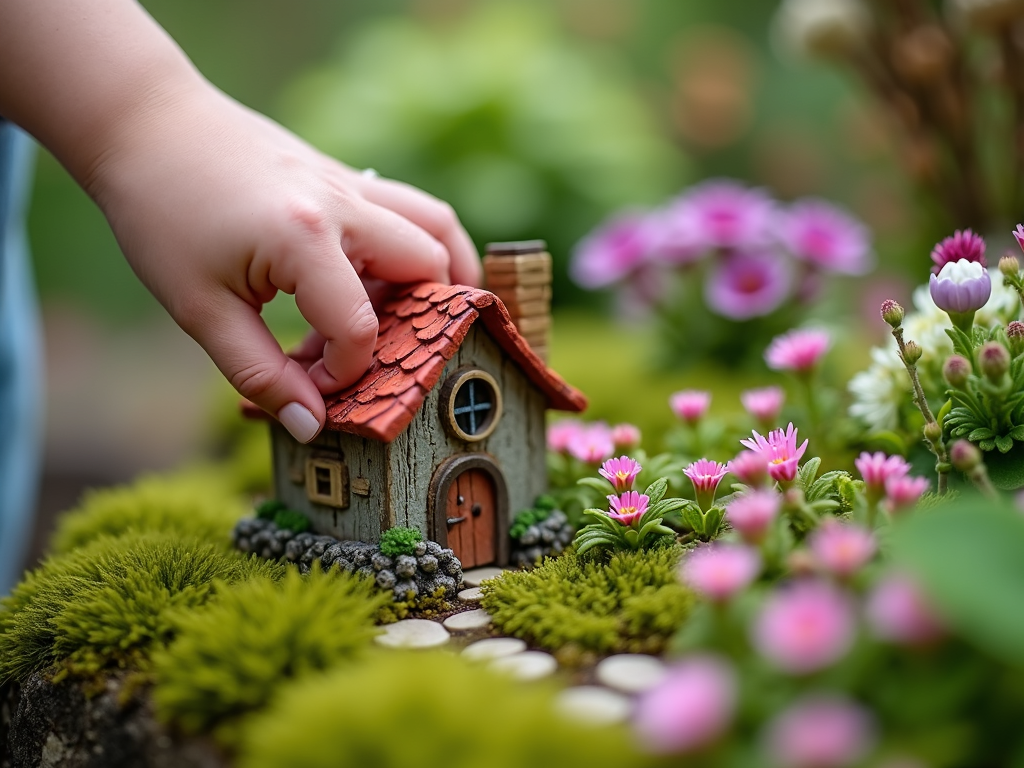
Fairy gardens turn a pot into a magical world. Kids design a tiny landscape with plants and fairy houses. My daughter spent hours imagining fairy stories in hers!
Materials: - A pot or small garden patch - Soil - Moss, succulents, or tiny flowers - Fairy accessories (houses, figurines) - Pebbles
Steps: 1. Choose a pot or spot. 2. Add soil. 3. Plant small plants. 4. Arrange fairy items. 5. Add pebble paths.
Tips: Let kids lead the design. Use twigs for extra charm. Ask them to name their fairies.
Why It’s Great: Boosts imagination, gives kids ownership, and calms them down.
Project 3: Making Seed Bombs
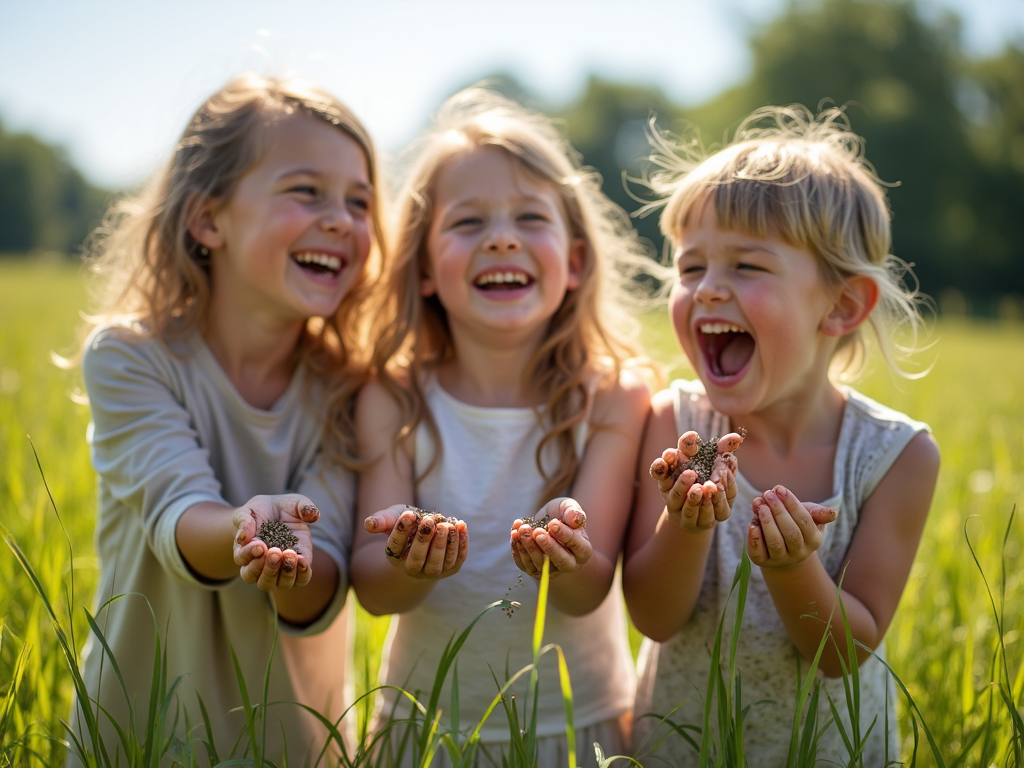
Seed bombs are balls of soil and seeds you toss to grow wildflowers. They’re a blast to make and throw! We turned it into a family game in our yard.
Materials: - Clay - Soil or compost - Wildflower seeds - Water
Steps: 1. Mix clay, soil, and seeds. 2. Add water until it sticks. 3. Roll into balls. 4. Dry them for 1-2 days. 5. Toss into a garden or bare spot.
Tips: Use native seeds for local wildlife. Teach kids about helping nature. Compete to throw farthest!
Why It’s Great: Shows conservation, gets kids outside, and rewards them with flowers.
Project 4: Growing a Sunflower House
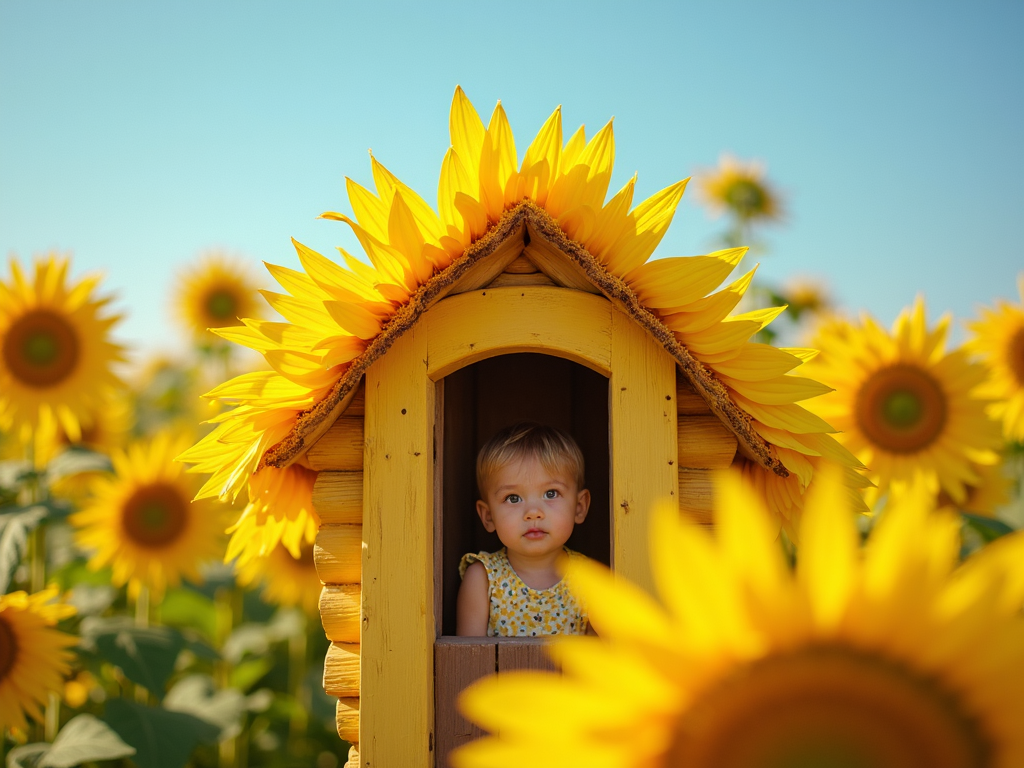
A sunflower house is a circle of tall sunflowers that becomes a natural play space. My son hid inside all summer!
Materials: - Sunflower seeds - Soil - Watering can - String (optional)
Steps: 1. Pick a sunny yard spot. 2. Plant seeds in a circle with an entry gap. 3. Water often. 4. Tie tops together as they grow (optional). 5. Play inside once tall!
Tips: Use tall varieties like ‘Mammoth.’ Plant in spring. Add decorations.
Why It’s Great: Creates a play area, teaches plant growth, and inspires imagination.
Project 5: Starting a Worm Compost Bin
Worm composting turns scraps into soil with wiggly helpers. My kids were fascinated watching worms work!
Materials: - Plastic bin with lid - Shredded paper - Red wiggler worms - Kitchen scraps (veggies, fruit)
Steps: 1. Poke holes in bin. 2. Add paper bedding. 3. Put in worms. 4. Add scraps and bury them. 5. Keep moist and stir sometimes.
Tips: Show how worms recycle. Let kids feed them. Use compost later.
Why It’s Great: Teaches sustainability, explores biology, and helps your garden.
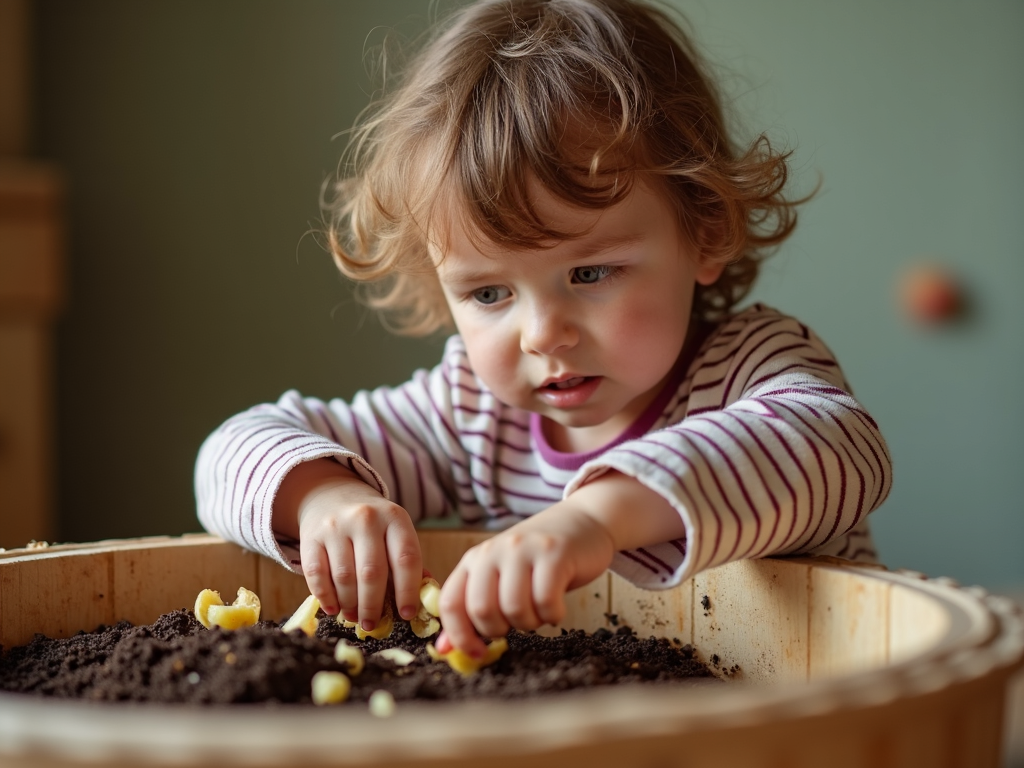
Project 6: Planting a Rainbow Garden
A rainbow garden uses colorful plants to teach kids about hues. We loved seeing our rainbow come to life!
Materials: - Seeds or plants (red tomatoes, orange marigolds, yellow sunflowers, etc.) - Soil - Watering can
Steps: 1. Pick a spot or pots. 2. Plant by color sections. 3. Water regularly. 4. Talk about colors as they grow.
Tips: Let kids pick plants. Explain color variety. Snap progress pics.
Why It’s Great: Teaches colors, encourages planning, and looks amazing.
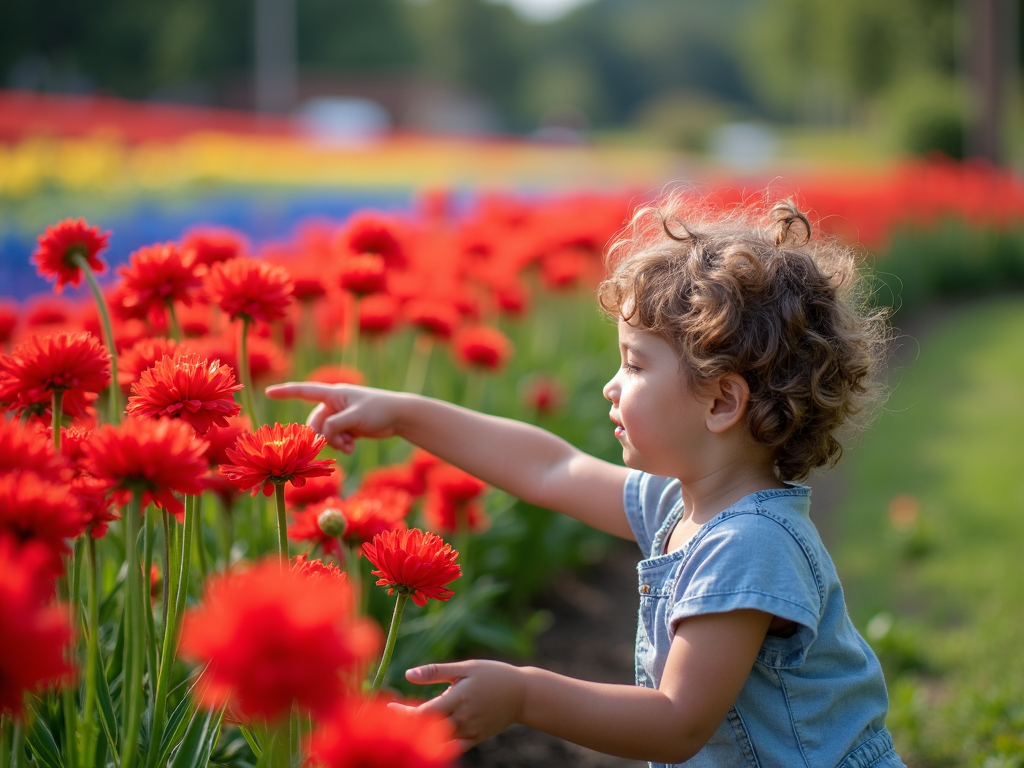
Project 7: Making a Terrarium
Terrariums are mini gardens in glass—perfect creative indoor activities for kids. My niece made one for her room!
Materials: - Glass jar - Pebbles - Charcoal (optional) - Soil - Small plants (succulents, moss) - Decorations
Steps: 1. Layer pebbles. 2. Add charcoal. 3. Add soil. 4. Plant. 5. Decorate.
Tips: Pick humid-loving plants. Show the water cycle. Keep out of direct sun.
Why It’s Great: Teaches ecosystems, offers indoor fun, and decorates.
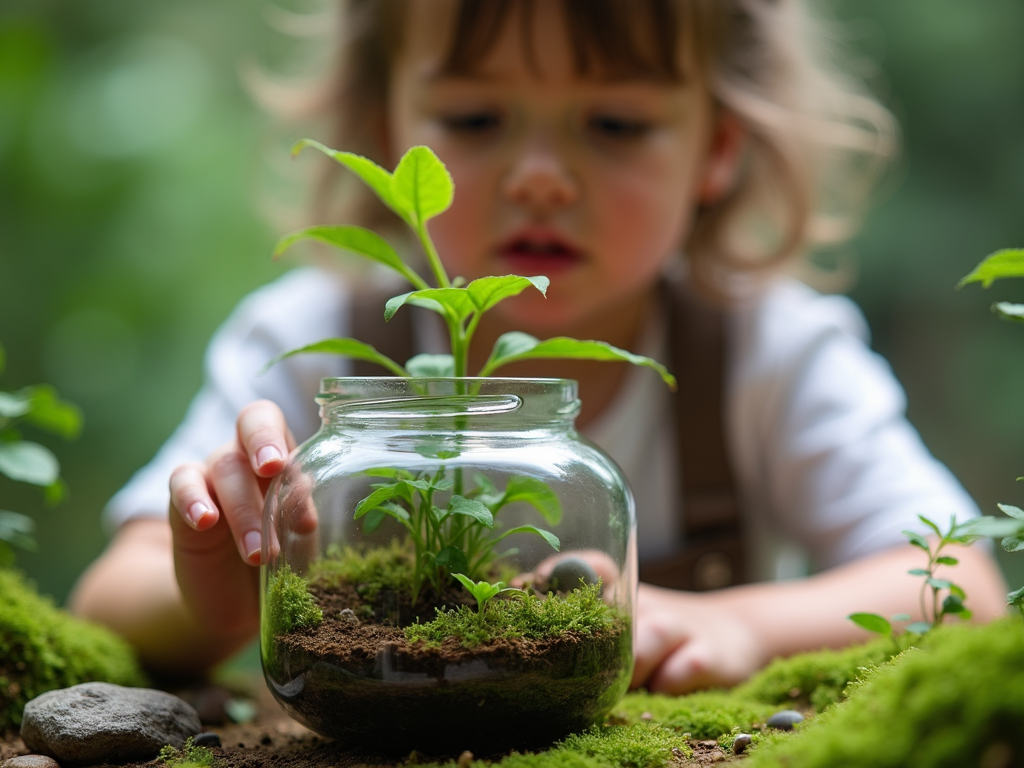
Project 8: Growing Microgreens
Microgreens are baby plants you eat young. They’re fast and easy indoors! We added ours to sandwiches.
Materials: - Trays - Soil - Seeds (radish, broccoli) - Spray bottle
Steps: 1. Fill trays with soil. 2. Sprinkle seeds. 3. Cover lightly with soil. 4. Mist water. 5. Harvest at 2-3 inches.
Tips: Let kids choose seeds. Explain nutrients. Cook together.
Why It’s Great: Shows growth, rewards quickly, and promotes health.
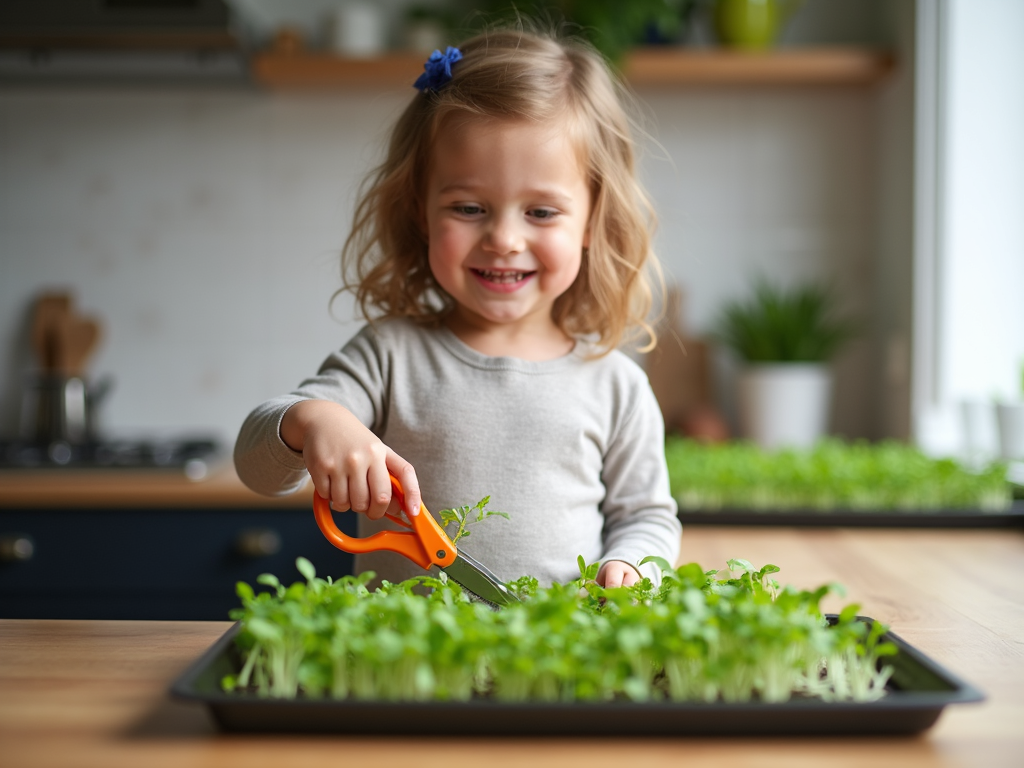
Project 9: Creating a Sensory Garden
Sensory gardens wake up all five senses with plants. My kids loved touching fuzzy leaves!
Materials: - Plants (lavender, lamb’s ear, edible flowers) - Soil - Watering can
Steps: 1. Pick a spot or pots. 2. Plant sensory varieties. 3. Water and care. 4. Explore with senses.
Tips: Mix textures and smells. Describe senses. Make a sensory hunt.
Why It’s Great: Engages senses, teaches plant types, and relaxes.
Project 10: Planting a Butterfly Garden
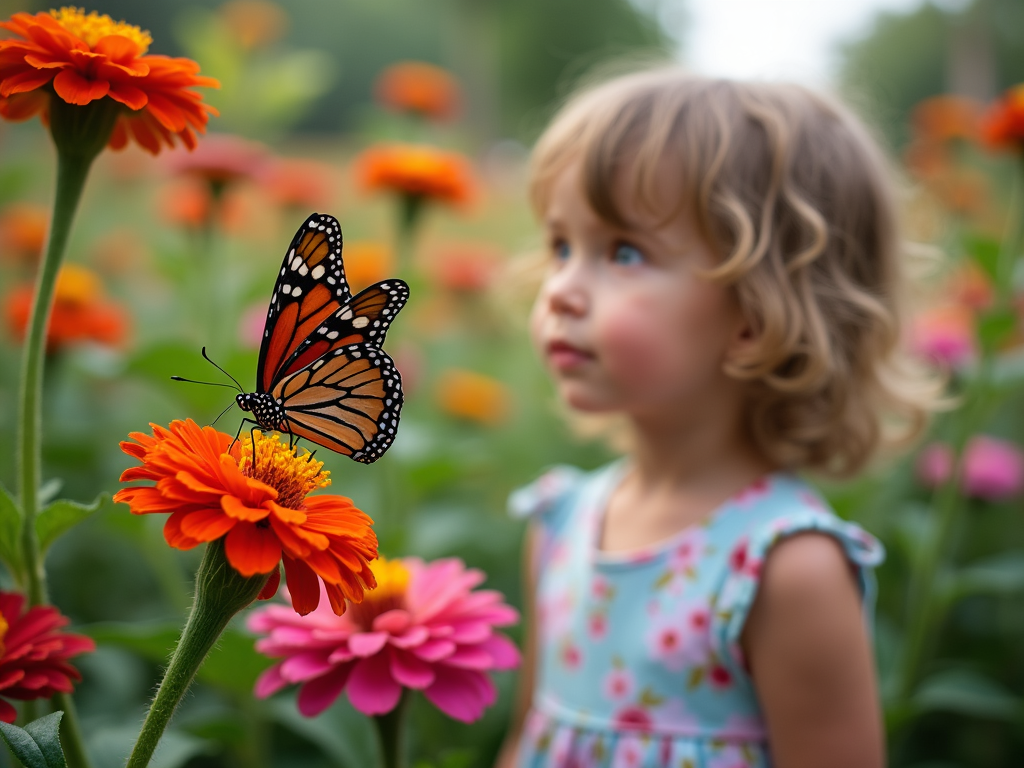
Butterfly gardens attract fluttering friends with flowers. We watched caterpillars turn into butterflies!
Materials: - Nectar plants (zinnias) - Host plants (milkweed) - Soil - Watering can
Steps: 1. Choose a sunny spot. 2. Plant nectar and host plants. 3. Water often. 4. Watch for butterflies.
Tips: Pick local plants. Teach butterfly cycles. Add a fruit feeder.
Why It’s Great: Explains pollinators, supports nature, and looks beautiful.
Conclusion: Gardening with kids is a win for everyone. These 10 fun gardening projects for kids build skills, boost family wellness, and make memories. Whether you’re wondering how to start a family garden or seeking top tips for family wellness, these ideas fit any space and weekend. Get your tools and grow together!

Discuss Here