Living with chronic food allergies can feel overwhelming, but understanding them is the first step to taking control. This guide covers chronic food allergy symptoms and treatments, focusing on Chronic Food Allergy and Chronic FPIES (Food Protein-Induced Enterocolitis Syndrome). In about 1500 words, you’ll find clear explanations, personal insights, and actionable advice to help you or a loved one thrive.
Overview of Chronic Food Allergies
Chronic food allergies are ongoing reactions to certain foods that don’t go away without effort. They’re different from quick, one-time allergic reactions because they stick around, causing repeated symptoms. Chronic FPIES, for example, affects the stomach and intestines, leading to issues like vomiting and tiredness that can last for months or years if not managed well.
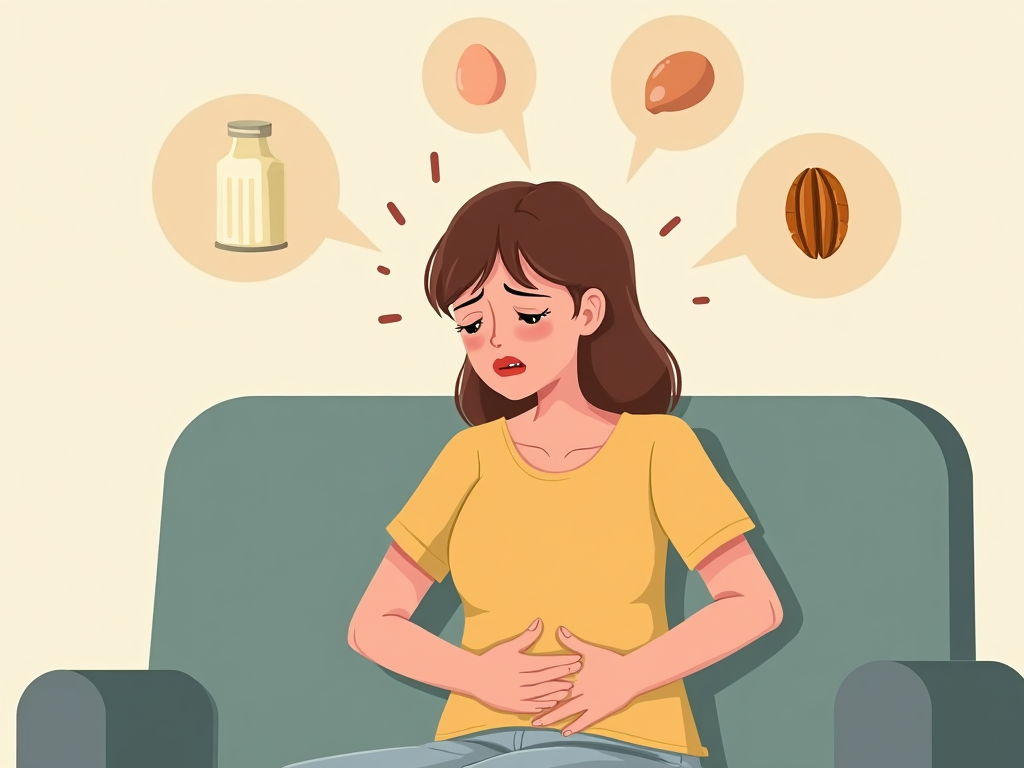
What Are Chronic Food Allergies?
Imagine your body treating a harmless food like an enemy. That’s what happens with chronic food allergies. Your immune system gets confused and reacts to food proteins over and over, causing problems that don’t just disappear. Chronic FPIES is a special type where the reaction hits the gut hard but doesn’t involve the usual allergy signs like instant swelling.
Here’s what you should know:
- Common Culprits: Milk, soy, wheat, and eggs often trigger these allergies, especially in Chronic FPIES.
- Who’s Affected: Kids get diagnosed a lot, but adults can have it too.
- Tricky Diagnosis: Symptoms show up late—sometimes hours or days after eating—so figuring it out takes time and patience.
I’ve seen people struggle to pinpoint their triggers. One mom I know kept a food diary for her son and finally realized soy was the problem after weeks of trial and error.
Symptoms of Chronic Food Allergies
Chronic food allergy symptoms can sneak up on you and stick around. They’re not always loud and obvious like a rash after eating peanuts. Here’s what you might notice:
- Stomach Troubles: Ongoing pain, bloating, diarrhea, or vomiting—big signs in Chronic FPIES.
- Skin Issues: Itchy rashes or eczema that won’t quit.
- Breathing Problems: Stuffy nose or wheezing that keeps coming back.
- Feeling Drained: Tiredness or low energy, especially after eating trigger foods.
- Mood Changes: Crankiness or trouble focusing, often tied to feeling lousy.
These can look like other health issues, so it’s easy to miss them. Writing down what you eat and how you feel can really help sort it out.
Diving Into Chronic FPIES
Chronic FPIES stands out because it’s all about the gut and takes its time showing up. It’s tough because you might eat something today and feel awful tomorrow—or even later. For kids, it can stop them from growing well. For adults, it might mean losing weight without meaning to.
- Key Symptoms: Lots of vomiting, runny stools, dehydration, and feeling wiped out.
- Top Triggers: Milk, soy, rice, and oats are big ones to watch.
- What Helps: Avoiding those foods completely is a must. Sometimes, special formulas or diets step in.
A friend’s baby had Chronic FPIES, and it took forever to figure out. She’d feed him rice cereal, thinking it was safe, but he’d throw up hours later. Cutting out rice changed everything for them.
Treatments for Chronic Food Allergies
Treating chronic food allergies means tackling symptoms and changing how you live. It’s about finding what works for you with help from doctors and some smart planning.
Medical Options
- Antihistamines: These calm down itching or mild skin stuff.
- Steroids: They fight bigger inflammation when things get rough.
- Epinephrine: A lifesaver for emergencies, though not used as much for chronic cases.
- New Ideas: Some folks try immunotherapy—slowly introducing tiny bits of the food—but it’s still experimental for FPIES.
Talking to an allergy doctor is key. They can tailor a plan that fits your life.
Everyday Changes
- Cut Out Triggers: Stop eating the problem foods. Check labels like a detective!
- Eat Smart: A dietitian can make sure you’re still getting all the good stuff your body needs.
- Be Ready: Keep meds handy and know what to do if things go wrong.
I’ve watched someone transform by owning their diet. They went from feeling sick all the time to enjoying meals again, just by planning ahead.

Real Stories and Lessons
Chronic food allergies aren’t just physical—they mess with your head and social life too. Here’s what I’ve learned from people living it:
- It’s Draining: Always watching what you eat can wear you out. Talking to others who get it helps a ton.
- Social Stuff: Eating out or going to parties takes extra work. Tell people what you need—they usually want to help.
- Kid Challenges: If it’s your child, teach their school what’s up. A clear plan can keep them safe.
One guy I know used to dread family dinners because of his Chronic Food Allergy. Now, he brings his own food and enjoys the company instead of stressing.
Wrapping Up: What to Remember
Chronic food allergy symptoms and treatments can feel like a puzzle, but you can solve it with the right pieces. Chronic Food Allergy and Chronic FPIES need patience, doctor visits, and lifestyle tweaks. Here’s the big stuff:
- Spot It Early: Catching symptoms fast makes a difference.
- Make It Yours: Your treatment should match your triggers and life.
- Adjust and Thrive: Changing how you eat and live can turn things around.
- Find Support: Doctors, dietitians, and even online groups can lift you up.
Check out the recommended readings below for more ways to dig in and take charge of your health.

Discuss Here