Creating a sensory-friendly home environment is essential for children with sensory processing issues. This article explores the importance of visual schedules, how to make them appealing to kids, and strategies for establishing consistent routines using Applied Behavior Analysis techniques.

Sensory processing is the way our brain receives and interprets information from our senses. For most people, this process happens automatically, allowing us to respond appropriately to our environment. However, some children have sensory processing issues, which means their brains struggle to organize and respond to sensory input effectively.
These children might be over-sensitive to certain stimuli, such as loud noises, bright lights, or certain textures. For example, a child might cover their ears at the sound of a vacuum cleaner or refuse to wear clothes with tags because they feel too scratchy. On the other hand, some children might be under-sensitive and seek out intense sensory experiences, like spinning in circles or crashing into furniture.
Sensory processing issues can make everyday activities challenging. A trip to the grocery store might be overwhelming due to the bright lights and crowded aisles. A family dinner might be stressful if the child is sensitive to certain smells or textures of food. These challenges can lead to anxiety, meltdowns, and difficulties with social interactions.
Understanding sensory processing issues is the first step in creating a supportive home environment. By recognizing how your child experiences the world, you can make adjustments to help them feel more comfortable and secure.

A sensory-friendly home provides a safe and comfortable space for children with sensory processing issues. It minimizes sensory triggers and offers calming alternatives. This environment can help reduce anxiety, improve focus, and promote positive behavior. For instance, using soft lighting, noise-canceling headphones, and designated quiet areas can make a significant difference.
Creating a sensory-friendly home involves thoughtful adjustments to the environment. For example, using unscented cleaning products can reduce overwhelming smells. Providing a variety of textures for furniture and bedding allows the child to choose what feels comfortable. Even small changes, like using blackout curtains to control light, can make a big difference.
A sensory-friendly home not only reduces sensory overload but also promotes emotional regulation. When children feel safe and comfortable, they are better able to manage their emotions and behaviors. This, in turn, creates opportunities for learning and development. For instance, a child who is not overwhelmed by sensory input is more likely to engage in imaginative play or focus on homework.
Moreover, a sensory-friendly environment benefits the entire family. It reduces stress and creates a more harmonious home life. Parents can focus on bonding with their child rather than managing meltdowns.
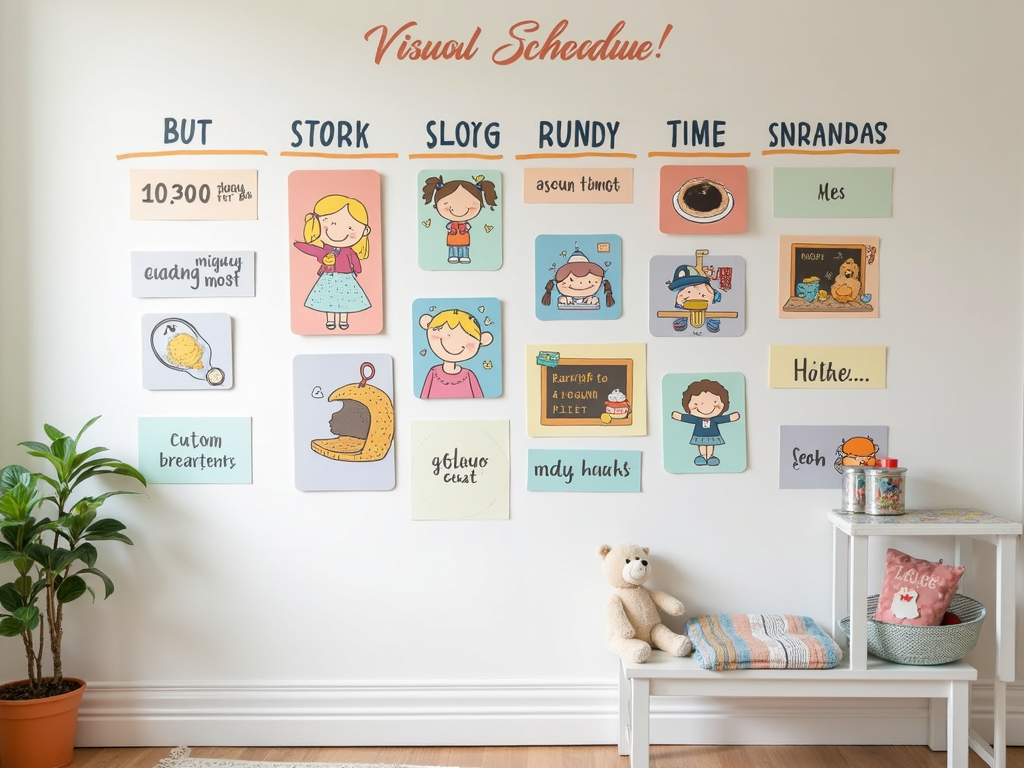
Visual schedules are a powerful tool for children with sensory processing issues. They provide a clear, visual representation of what to expect throughout the day, which helps reduce anxiety and improve behavior.
Children with sensory processing issues often struggle with transitions and unexpected changes. A visual schedule outlines the sequence of activities, making the day more predictable. For example, a morning schedule might include pictures of waking up, brushing teeth, getting dressed, eating breakfast, and going to school.
By knowing what comes next, children feel more in control and less anxious. They can prepare themselves mentally for each activity, which makes transitions smoother. Visual schedules also help children develop a sense of time and routine, which are essential skills for independence.
Moreover, visual schedules can be customized to meet the child's needs and preferences. They can include pictures, words, or a combination of both, depending on the child's communication level. This flexibility makes visual schedules an effective tool for a wide range of children.
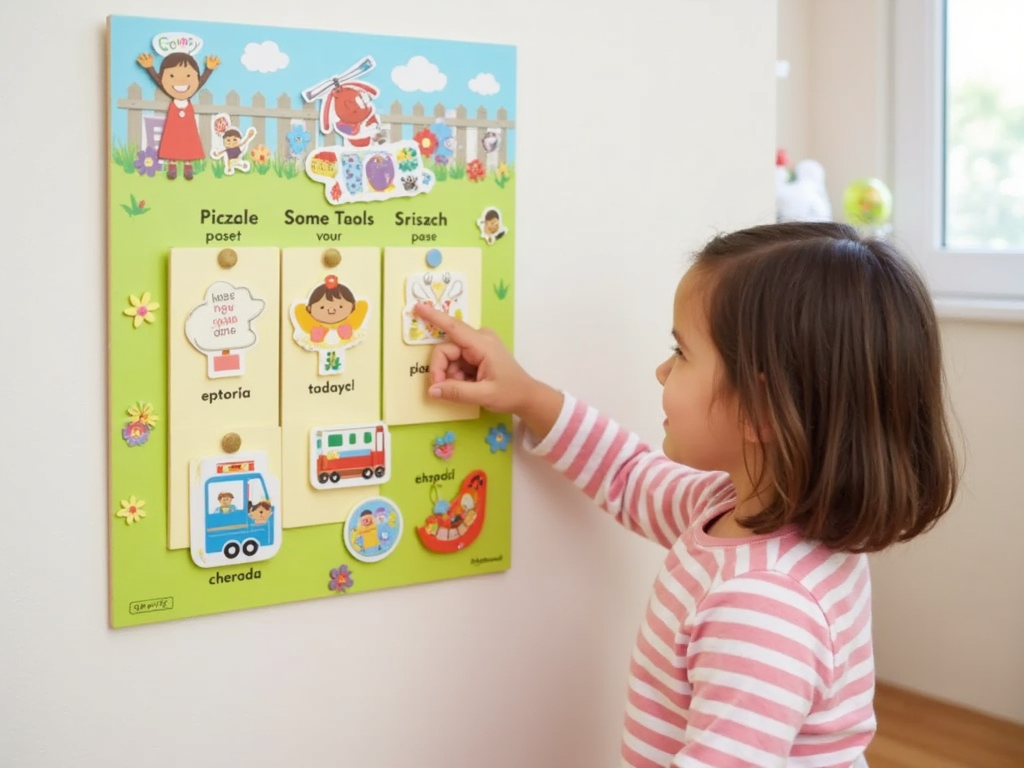
To make visual schedules appealing, involve the child in the creation process. Use their favorite colors, characters, or themes. Make the schedule interactive by using Velcro or magnets so the child can move items as they complete tasks. Incorporate rewards or incentives to motivate the child.
There are many ways to make visual schedules engaging. One popular method is to use laminated cards with Velcro attachments. This allows the child to remove each card as they complete an activity, providing a sense of accomplishment. Another option is to create a digital schedule on a tablet, which can be especially appealing to tech-savvy kids.
Incorporating the child's interests is key. If the child loves animals, use pictures of animals to represent different activities. For example, a lion for lunchtime or a monkey for playtime. You can also use the child's own artwork or photographs to personalize the schedule.
Making the schedule interactive is important. Allow the child to move pieces, check off completed tasks, or add stickers for rewards. This hands-on approach keeps the child engaged and motivated to follow the schedule.

Consistent routines provide a sense of security and help children understand what is expected of them. Use visual schedules to outline daily routines, and stick to the schedule as much as possible. Be patient and allow time for the child to adjust to the routine.
Establishing consistent routines can be challenging, especially when life is unpredictable. However, even small consistencies can make a big difference. Start by identifying key parts of the day that can remain the same, such as morning and bedtime routines.
When creating routines, involve the child as much as possible. Let them help decide the order of activities or choose rewards for completing tasks. This gives them a sense of ownership and increases their commitment to the routine.
It's also important to be flexible. While consistency is crucial, unexpected changes will happen. Prepare the child for these changes by using visual schedules or social stories to explain what will be different and why. For example, if there's a doctor's appointment, add it to the visual schedule and discuss it in advance.
Remember that establishing routines takes time. Be patient and celebrate small successes along the way. Over time, the routine will become second nature, and the child will feel more secure and confident.

Applied Behavior Analysis (ABA) is a therapy based on the science of learning and behavior. Parents can use ABA strategies at home to reinforce positive behaviors and teach new skills. Some techniques include positive reinforcement, breaking tasks into smaller steps, and using visual supports.
Positive reinforcement involves rewarding desired behaviors to increase their frequency. At home, you can use a token economy system, where the child earns tokens for completing tasks or exhibiting positive behaviors. These tokens can then be exchanged for rewards, such as extra playtime or a favorite snack.
Breaking tasks into smaller steps is another effective strategy. For example, if the child struggles with getting dressed, break it down into steps like putting on socks, then pants, then shirt, and so on. Provide praise or a small reward for each step completed.
Visual supports are also crucial in ABA. In addition to visual schedules, you can use visual choice boards to help the child communicate their needs or preferences. For instance, a choice board with pictures of different snacks allows the child to point to what they want, reducing frustration and promoting communication.
Modeling behaviors is another key technique. If you want the child to say 'please' and 'thank you,' make sure to model these behaviors yourself. Children learn by watching and imitating, so be a good role model.
Consistency is vital in ABA. Make sure all caregivers are on the same page and reinforce behaviors in the same way. This helps the child understand expectations and reduces confusion.
Creating a sensory-friendly home environment is vital for children with sensory processing issues. Visual schedules are a powerful tool that can change lives by providing structure and predictability. By making these schedules engaging and incorporating consistent routines, parents can help their children thrive. Additionally, using ABA strategies at home can reinforce positive behaviors and support the child's development.
Creating a sensory-friendly home environment is a journey, not a destination. It requires patience, creativity, and a willingness to adapt. By understanding your child's sensory needs, using visual schedules, establishing consistent routines, and implementing ABA strategies, you can create a supportive space where your child can thrive.
Remember that every child is unique, and what works for one may not work for another. Be open to trying different approaches and celebrate the small victories along the way. With time and effort, you can make a significant difference in your child's life.

Discuss Here