Overview
Embarking on a 30-day fitness challenge is an exciting step towards better health and wellness. Whether you aim to lose weight, build muscle, or boost your overall fitness, tracking your progress keeps you motivated and on target. This guide offers strategies, personal stories, and tools to help you succeed.

Why Tracking Progress Matters
Tracking progress in a 30-day fitness challenge is vital for success. It holds you accountable—logging workouts and meals encourages consistency. It also shows your achievements, boosting motivation. Plus, it helps you spot trends and tweak your plan.
A study from the American Psychological Association found that people who track their fitness goals are more likely to reach them. Seeing your efforts clearly keeps you focused. For example, tracking calories can confirm a deficit for weight loss, while noting workout gains can prove your strength is improving.
How to Track Your Fitness Journey
Here are five effective ways to monitor your 30-day fitness challenge:
-
Fitness Journal: Log workouts, meals, and feelings daily. Use a notebook to note exercises, sets, reps, food intake, and energy levels. This builds a detailed picture over time.
-
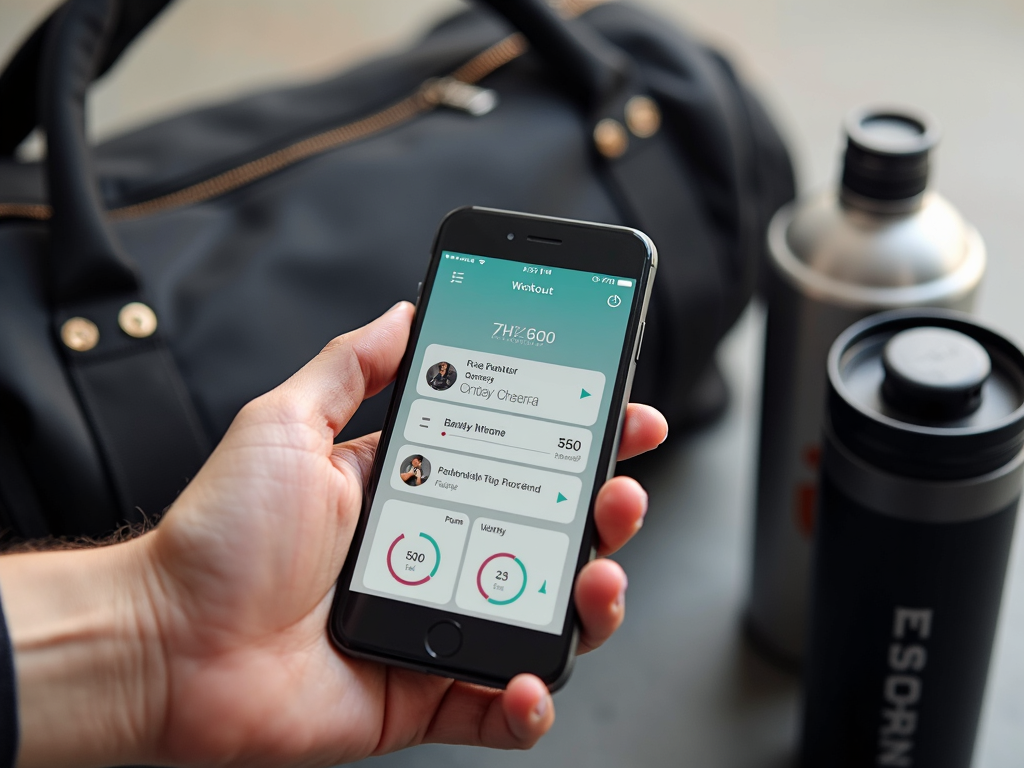
Fitness Apps: Apps like MyFitnessPal or Fitbit track workouts, nutrition, and sleep. Features include calorie counters and progress graphs. Check out Healthline’s review of top fitness apps for options.
-
Progress Photos: Snap pictures weekly to see changes. Use consistent lighting and angles—front, side, and back—for clear comparisons.
-
Body Metrics: Measure weight, body fat, or waist size. Don’t obsess over daily shifts; focus on trends instead.
-
Goal Setting: Set specific goals, like running 5K, and track milestones. This keeps your focus sharp.
Common Tracking Mistakes to Avoid
Avoid these pitfalls when tracking your fitness challenges:
-
Scale Obsession: Weight varies daily due to water or muscle gain. Look at overall trends, not just numbers.
-
Inconsistency: Sporadic tracking skews your view. Log daily or weekly for accuracy.
-
Unrealistic Goals: Overly tough goals can discourage you. Set challenging yet doable targets.
-
Comparing to Others: Your journey is unique. Celebrate your wins, not someone else’s.
Sarah’s Story: A Personal Journey
Sarah, a mom of two, tackled a 30-day fitness challenge to boost her health. 'I doubted I had time, but I started anyway,' she says. Using an app for quick logs and a journal for reflection, she stayed on track.
In 30 days, Sarah dropped 10 pounds and felt more energetic. 'The app showed my progress instantly, and my journal reminded me why I began,' she shares. Involving her kids in workouts and cooking made it a family wellness win.
Family Fitness: Making It Fun Together
Turn your 30-day fitness challenge into a family affair for added fun and family wellness. Try these ideas:
-
Group Workouts: Exercise together with dance parties or bike rides. Keep it light and inclusive.
-
Healthy Cooking: Cook nutritious meals as a team. Kids can help plan and shop, learning healthy habits.
-
Competitions: Challenge each other to fun feats, like most steps walked. Use a chart to track wins.
The CDC recommends kids get 60 minutes of activity daily. Family fitness helps everyone thrive.

Staying Motivated Throughout
Keep your drive alive with these tips for fitness challenges:
-
Realistic Goals: Aim for specifics, like 'jog 3 miles,' not just 'get fit.'
-
Small Wins: Celebrate every step—finishing a week earns a reward like new gear.
-
Support System: Share with family or online groups for encouragement.
-
Variety: Switch routines—try yoga or a new sport—to stay engaged.
-
Positive Mindset: Focus on gains, not slip-ups. Visualize your success to push forward.
Tools to Boost Your Tracking
Enhance your tracking with these resources:
-
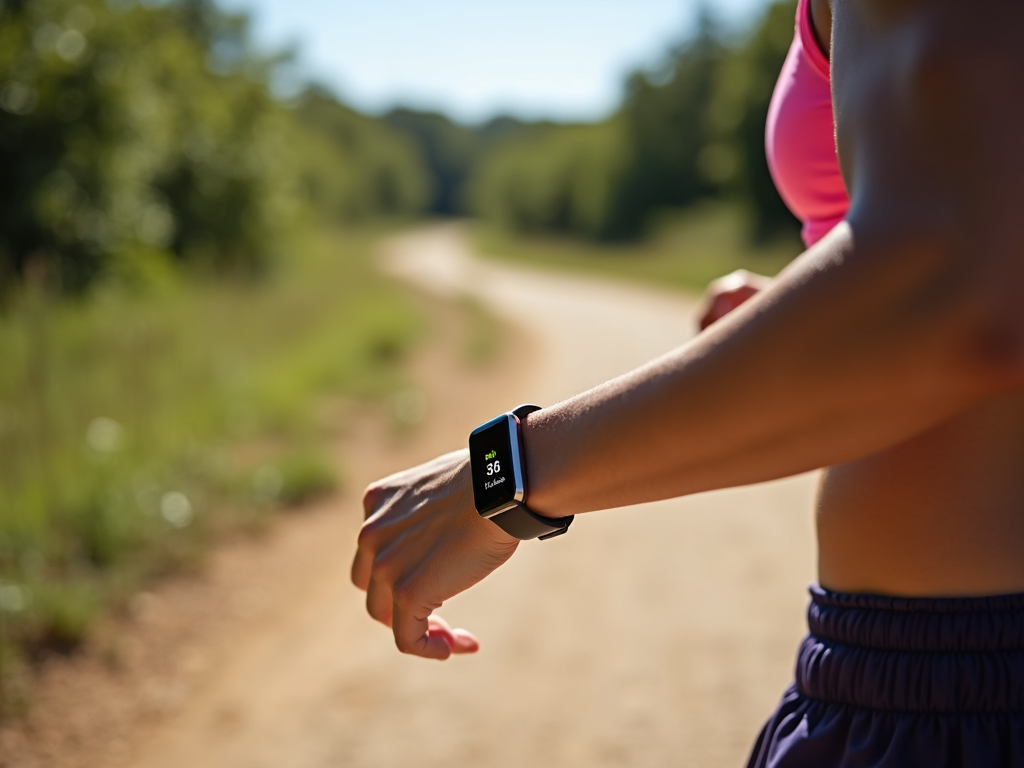
Wearables: Devices like Apple Watch track steps and heart rate, syncing with apps.
-
Communities: Join forums like r/fitness for tips and support.
-
Experts: A trainer can tailor your plan and tracking.
-
Education: Learn more from Harvard Health about fitness benefits.
Summary
Tracking progress in a 30-day fitness challenge fuels motivation and success. Use journals, apps, photos, or metrics to see your growth. Add family fitness for fun and shared wellness. Set smart goals, cheer your victories, and keep it enjoyable. Start today—track your way to a healthier you!

Discuss Here