Overview
Chronic fatigue is a debilitating condition that affects millions worldwide. Managing it requires a multifaceted approach, with nutrition playing a crucial role. This article explores how dietary choices can influence energy levels and overall well-being, offering insights and practical tips for those living with chronic fatigue.

Introduction to Chronic Fatigue
Chronic fatigue syndrome (CFS), also known as myalgic encephalomyelitis (ME), is a complex disorder characterized by extreme fatigue that lasts for at least six months and cannot be fully explained by an underlying medical condition. The fatigue worsens with physical or mental activity but doesn't improve with rest. Other symptoms may include:
- Sleep problems
- Muscle or joint pain
- Headaches
- Sore throat
- Cognitive difficulties, often described as "brain fog"
- Dizziness
- Heart palpitations
The exact cause of CFS is unknown, but it may involve a combination of factors such as viral infections, immune system problems, hormonal imbalances, and genetic predisposition. Diagnosis is challenging because there is no specific test for CFS; it's often a process of ruling out other conditions.
According to the Centers for Disease Control and Prevention (CDC), CFS affects between 836,000 and 2.5 million Americans, but up to 90% of people with the condition have not been diagnosed. This highlights the importance of raising awareness and understanding the condition better.
For those living with CFS, managing the condition involves a holistic approach that includes medical treatment, lifestyle changes, and self-care strategies. Nutrition is a key component of this approach, as it can significantly impact energy levels and overall health.
Nutrition plays a pivotal role in managing chronic fatigue because it directly affects the body's ability to produce and sustain energy. Here are some key nutrients and dietary strategies that may help:
Key Nutrients
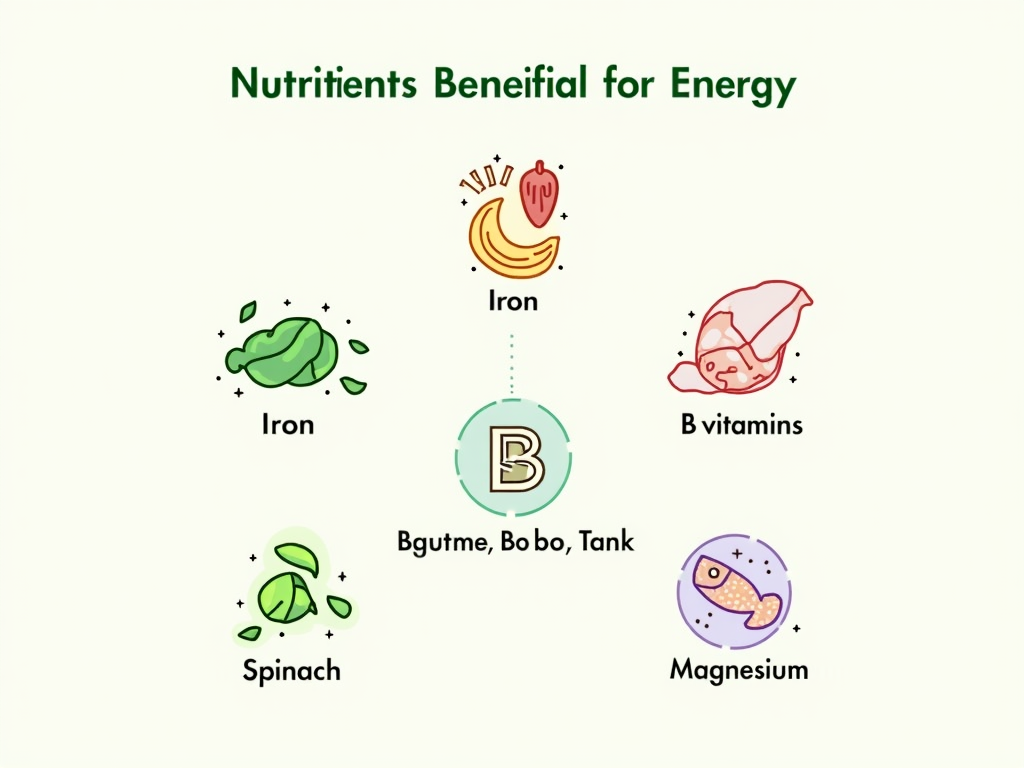
- Iron: Essential for the production of hemoglobin, which carries oxygen in the blood. Low iron levels can lead to anemia, a common cause of fatigue. Sources include red meat, poultry, fish, lentils, and spinach.
- B Vitamins: Particularly B12 and folate, which are crucial for energy metabolism. Deficiencies can lead to fatigue and weakness. Sources include eggs, dairy, meat, and fortified cereals.
- Magnesium: Involved in over 300 biochemical reactions in the body, including energy production. Sources include nuts, seeds, whole grains, and leafy greens.
- Omega-3 Fatty Acids: Have anti-inflammatory properties that may help reduce symptoms. Sources include fatty fish, flaxseeds, and walnuts.
- Antioxidants: Help combat oxidative stress, which may be elevated in CFS. Sources include berries, dark chocolate, and green tea.
Dietary Approaches
- Balanced Diet: Focus on whole, unprocessed foods. Aim for a variety of fruits, vegetables, lean proteins, whole grains, and healthy fats.
- Small, Frequent Meals: Eating smaller meals more frequently can help maintain steady energy levels and prevent crashes.
- Hydration: Dehydration can exacerbate fatigue. Drink plenty of water throughout the day.
- Limit Sugar and Caffeine: While they may provide temporary energy boosts, they can lead to crashes later. Opt for complex carbohydrates and natural energy sources.
- Consider Food Sensitivities: Some individuals with CFS may have food sensitivities that exacerbate symptoms. Keeping a food diary can help identify triggers.
It's important to note that nutritional needs are highly individual. What works for one person may not work for another, so it's essential to experiment and find what suits you best. Consulting with a registered dietitian can provide personalized guidance.
Personal Insights and Experiences
Living with chronic fatigue often means experimenting with different strategies to find what works best. Many individuals report that making dietary changes has significantly improved their quality of life. Here are a few stories from people who have successfully managed their symptoms through nutrition:
- Sarah's Story: Sarah, a 35-year-old teacher, struggled with CFS for years. She found that eliminating processed foods and focusing on whole, nutrient-dense meals helped her manage her energy levels more effectively. "I used to rely on caffeine and sugar for quick energy boosts," she says, "but now I prioritize whole foods, and I feel more stable throughout the day."
- Mark's Experience: Mark, a 42-year-old engineer, discovered that a low-inflammatory diet reduced his muscle pain and fatigue. He emphasizes the importance of meal planning: "Preparing meals in advance saves me energy and ensures I have healthy options on hand."
- Emily's Journey: Emily, a 28-year-old artist, found that incorporating more magnesium-rich foods, like almonds and spinach, helped alleviate her fatigue. She also practices mindful eating, paying attention to how different foods make her feel, which has helped her identify what works best for her.
These stories highlight the importance of experimentation and personalization in managing chronic fatigue through nutrition.

Practical Tips and Strategies
Incorporating nutrition into your daily routine doesn't have to be complicated. Here are some actionable tips:
- Stay Hydrated: Dehydration can exacerbate fatigue. Aim for at least 8 glasses of water a day.
- Eat Regularly: Skipping meals can lead to energy crashes. Try to eat small, balanced meals every 3-4 hours.
- Focus on Nutrient-Dense Foods: Include a variety of fruits, vegetables, lean proteins, and whole grains in your diet.
- Consider Supplements: If you're deficient in certain nutrients, supplements might help, but always consult with a healthcare professional first.
- Listen to Your Body: Pay attention to how different foods make you feel and adjust your diet accordingly.
Remember, it's essential to work with a healthcare provider or a registered dietitian to tailor your nutritional approach to your specific needs.

Chronic Fatigue and Exercise Routines
While nutrition is crucial, it shouldn't be the only strategy in your toolkit. Gentle, regular exercise can complement dietary changes by improving circulation, reducing stress, and enhancing overall well-being. However, it's important to approach exercise with caution. High-intensity workouts can be counterproductive for those with chronic fatigue. Instead, focus on low-impact activities like walking, yoga, or tai chi. Always listen to your body and rest when needed.
Summary
Managing chronic fatigue is a complex journey, but nutrition can be a powerful ally. By understanding the role of diet in energy production and overall health, individuals can make informed choices that support their well-being. Remember, there's no one-size-fits-all solution, so it's important to experiment and find what works best for you.

Discuss Here