Food allergies in children can be scary, especially when it comes to less common conditions like FPIES. This guide will help you understand what FPIES is, how to spot the signs, and how to manage it effectively. We'll also share some easy, safe recipes for kids with FPIES.
Imagine your child suddenly becoming lethargic, vomiting, and having diarrhea after eating a certain food. It's not the typical allergic reaction you might expect, like hives or swelling. This could be FPIES, a food allergy that affects the gastrointestinal system.
FPIES, or Food Protein-Induced Enterocolitis Syndrome, is a type of food allergy that primarily affects infants and young children. Unlike other food allergies, FPIES doesn't cause immediate symptoms like itching or swelling. Instead, it leads to delayed gastrointestinal symptoms, which can be severe and even life-threatening if not managed properly.
Understanding FPIES is crucial for parents because early recognition can make a significant difference in your child's health and well-being. In this article, we'll cover everything you need to know about spotting food allergies in kids, with a special focus on FPIES.
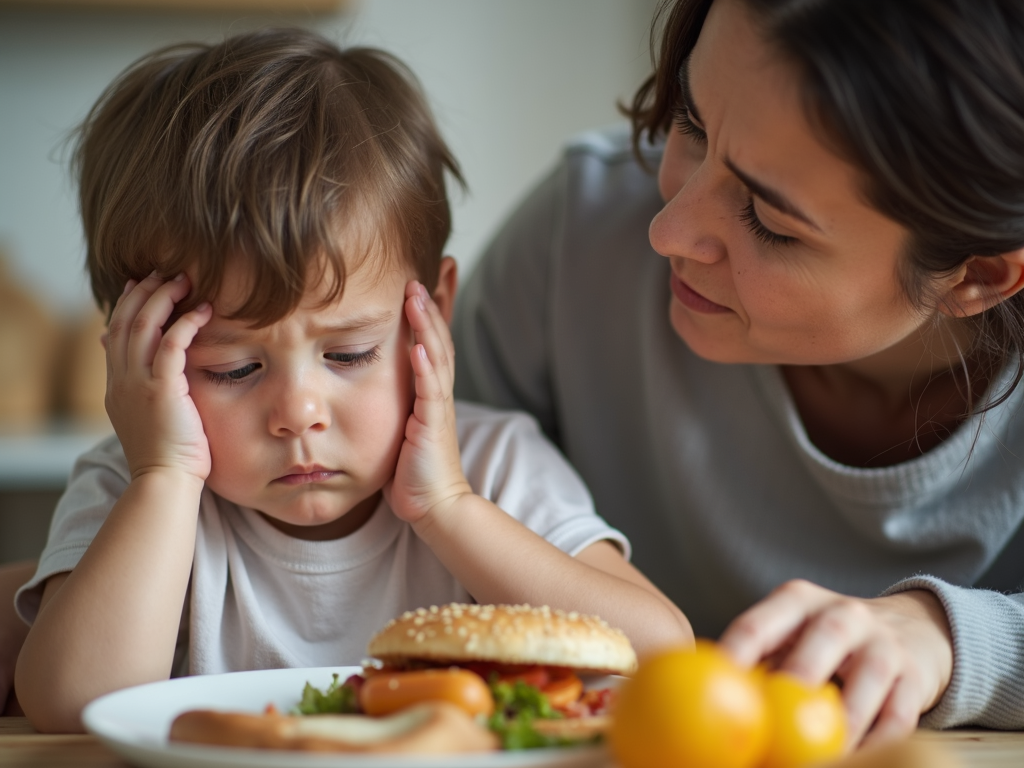
What is FPIES?
FPIES is a non-IgE mediated food allergy, which means it doesn't involve the immune system's typical allergic response. Instead, it triggers inflammation in the gut, leading to symptoms like vomiting, diarrhea, and lethargy. The most common trigger foods for FPIES are cow's milk, soy, rice, and oats, but any food can potentially cause a reaction.
One of the challenges with FPIES is that the symptoms can be mistaken for other conditions, such as a stomach virus or food poisoning. However, if your child repeatedly experiences these symptoms after eating a specific food, it could be a sign of FPIES.
Signs and Symptoms of FPIES
Spotting FPIES can be tricky because the symptoms often mimic other conditions. Here's what to look out for:
- Vomiting: This is usually the first and most prominent symptom, occurring 1-4 hours after ingesting the trigger food.
- Diarrhea: Often follows the vomiting and can be severe.
- Lethargy: Your child may appear unusually tired or weak.
- Pale skin: A noticeable change in skin color can occur.
- Low blood pressure: In severe cases, FPIES can lead to shock.
If your child experiences these symptoms after eating, it's important to seek medical attention immediately. Keep a detailed record of what your child ate and when the symptoms started, as this information will be crucial for diagnosis.

How to Get a Diagnosis
If you suspect your child has FPIES, it's crucial to see a specialist, such as a pediatric allergist or gastroenterologist. Unfortunately, there's no simple test for FPIES, so diagnosis often involves a detailed medical history and possibly an oral food challenge under medical supervision.
During an oral food challenge, your child will be given small amounts of the suspected trigger food while being closely monitored for symptoms. This should only be done in a medical setting where emergency treatment is available.
Managing FPIES
Once your child is diagnosed with FPIES, the main treatment is avoiding the trigger foods. But it's not always that simple. Here are some tips for managing FPIES:
- Identify trigger foods: Work with your doctor to determine which foods are causing reactions.
- Read labels carefully: Even small amounts of trigger foods can cause a reaction, so always check ingredient lists.
- Be prepared for accidental exposures: Have an emergency plan in place, including knowing when to seek medical help.
- Educate caregivers: Make sure anyone who looks after your child, such as teachers or babysitters, understands FPIES and knows what to do in case of a reaction.
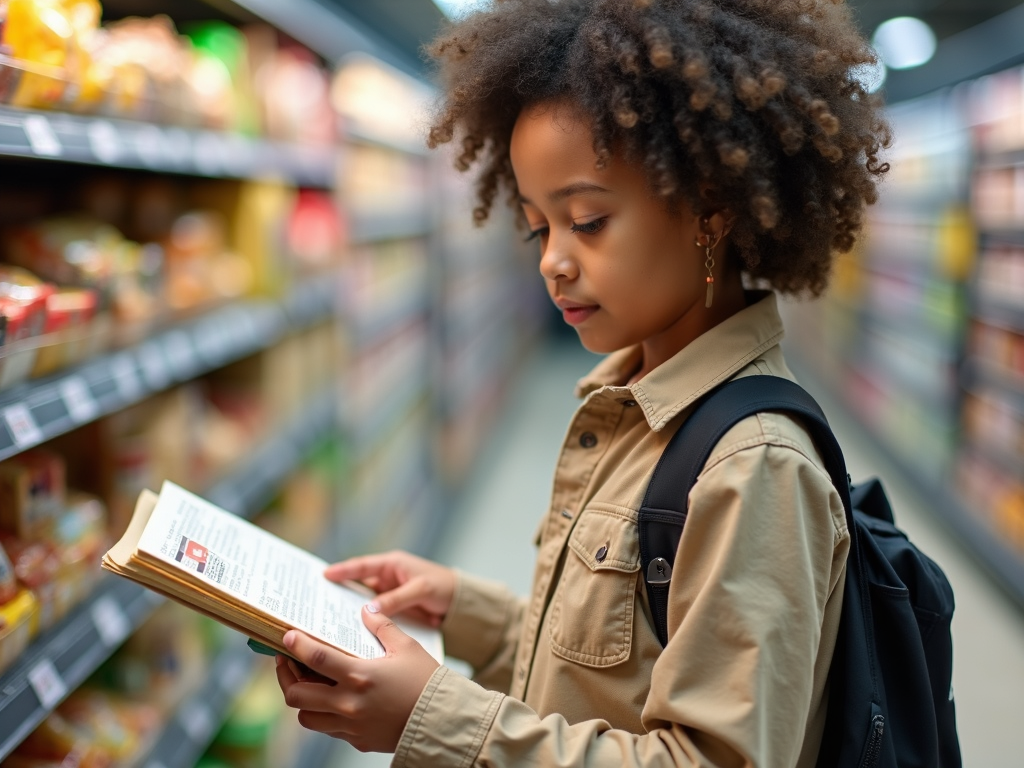
Cooking for Kids with FPIES: Easy and Safe Recipes
Cooking for a child with FPIES can be challenging, but it doesn't have to be. Here are some tips to make it easier:
- Focus on whole foods: Fresh fruits, vegetables, and meats are less likely to contain hidden allergens.
- Avoid processed foods: These often contain multiple ingredients that could trigger a reaction.
- Experiment with alternatives: If your child is allergic to common grains like rice or oats, try alternatives like quinoa or buckwheat.
Here are a few simple, FPIES-friendly recipes to get you started:
Recipe: Simple Chicken and Rice
This dish is easy to make and can be customized based on your child's safe foods.
- Ingredients: chicken breast, rice, olive oil, salt
- Instructions: Cook the rice according to package instructions. While the rice is cooking, heat some olive oil in a pan and cook the chicken until it's no longer pink in the middle. Season with a little salt, and serve over the rice.
Recipe: Baked Sweet Potato Fries
A healthy and tasty side dish that's easy to prepare.
- Ingredients: sweet potatoes, olive oil, salt
- Instructions: Preheat your oven to 400°F (200°C). Cut the sweet potatoes into fry shapes, toss with olive oil and salt, and spread on a baking sheet. Bake for 20-25 minutes, flipping halfway through, until crispy.
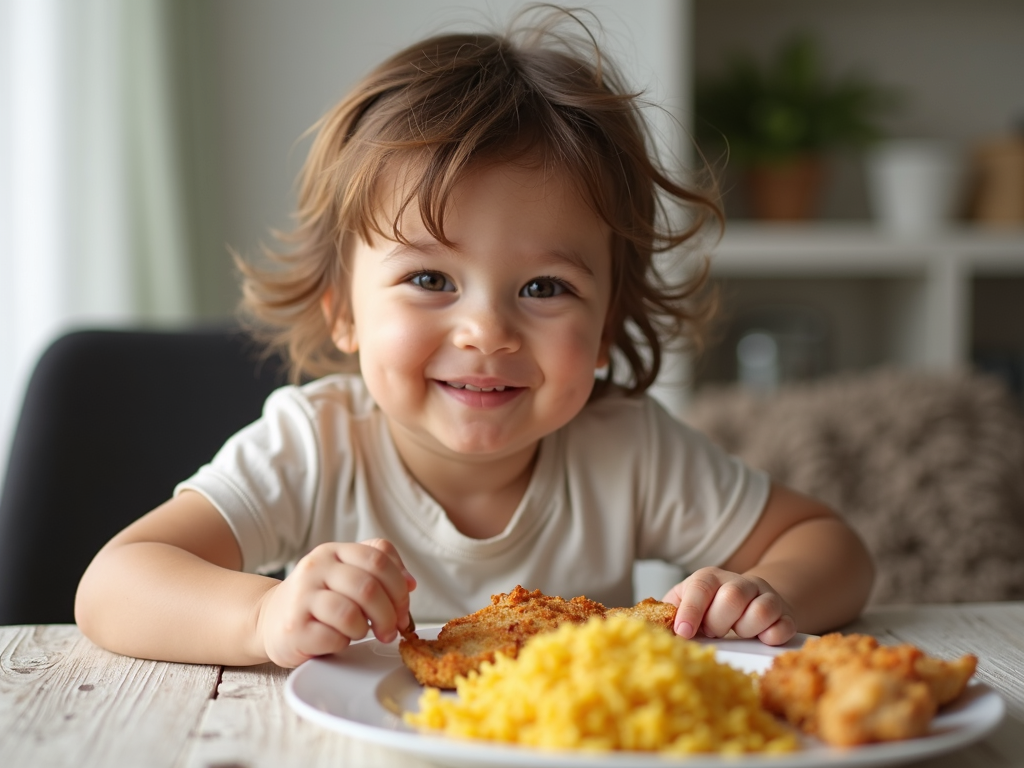
Healthy Living with Food Allergies
Having a child with FPIES doesn't mean they can't live a full, healthy life. Here are some tips to help your family thrive:
- Educate your child: As they get older, teach them about their allergy and how to avoid trigger foods.
- Handle social situations carefully: For birthday parties or school events, bring safe snacks or talk to the host in advance.
- Connect with others: Join support groups or online communities for parents of children with food allergies. Sharing experiences and tips can be incredibly helpful.
Remember, managing FPIES is a journey, and it's okay to feel overwhelmed at times. But with the right knowledge and support, you can help your child live a happy, healthy life.

Spotting and managing FPIES can be challenging, but with the right knowledge and support, you can help your child live a happy, healthy life. Remember, you're not alone—there are resources and communities out there to help you navigate this journey.

Discuss Here