Overview
Food Protein-Induced Enterocolitis Syndrome, or FPIES, is a type of food allergy that affects the gastrointestinal tract, particularly in infants and young children. Unlike other food allergies, FPIES does not typically cause immediate allergic reactions like hives or anaphylaxis. Instead, it leads to delayed symptoms such as vomiting, diarrhea, and in severe cases, shock. Understanding FPIES is crucial for parents and caregivers to ensure proper nutrition and health for their children.
What is FPIES?
FPIES is a non-IgE mediated food allergy, which means it does not involve the immune system's immunoglobulin E (IgE) antibodies. Instead, it is thought to be caused by a reaction in the gastrointestinal tract to certain food proteins. The exact mechanism is not fully understood, but it is believed to involve the immune system's T-cells.
Symptoms of Acute FPIES in Infants
Acute FPIES in infants can present with symptoms such as profuse vomiting, which often starts 1 to 4 hours after ingesting the trigger food. The vomiting can be repetitive and may lead to dehydration if not managed properly. Other symptoms may include diarrhea, which can be bloody in some cases, lethargy, pallor, and in severe cases, hypotension and shock. It's important for parents to recognize these symptoms and seek medical attention promptly.

Acute vs. Chronic FPIES
Acute FPIES refers to the episodic reactions that occur after ingesting the trigger food, while chronic FPIES is less common and involves ongoing symptoms when the trigger food is part of the regular diet. However, chronic FPIES is not well-defined and is less understood.
How Doctors Diagnose FPIES
Diagnosing FPIES can be challenging because there are no specific tests for it. The diagnosis is usually based on the child's medical history, symptoms, and the exclusion of other conditions. In some cases, an oral food challenge may be conducted under medical supervision to confirm the diagnosis.

Managing FPIES Every Day
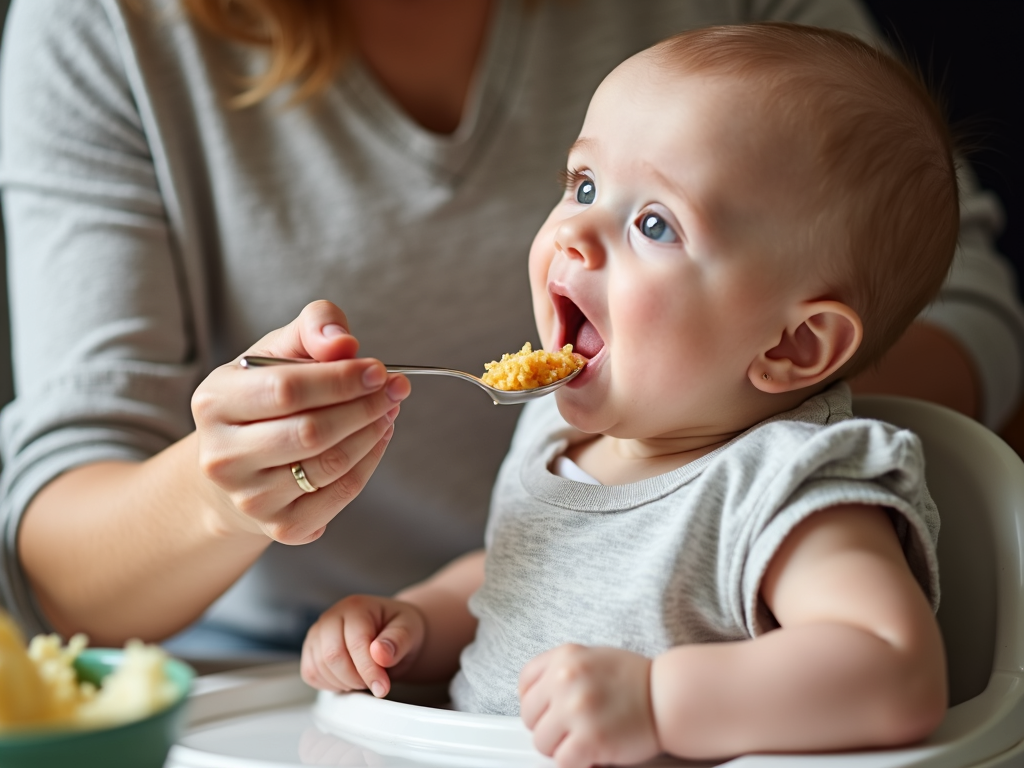
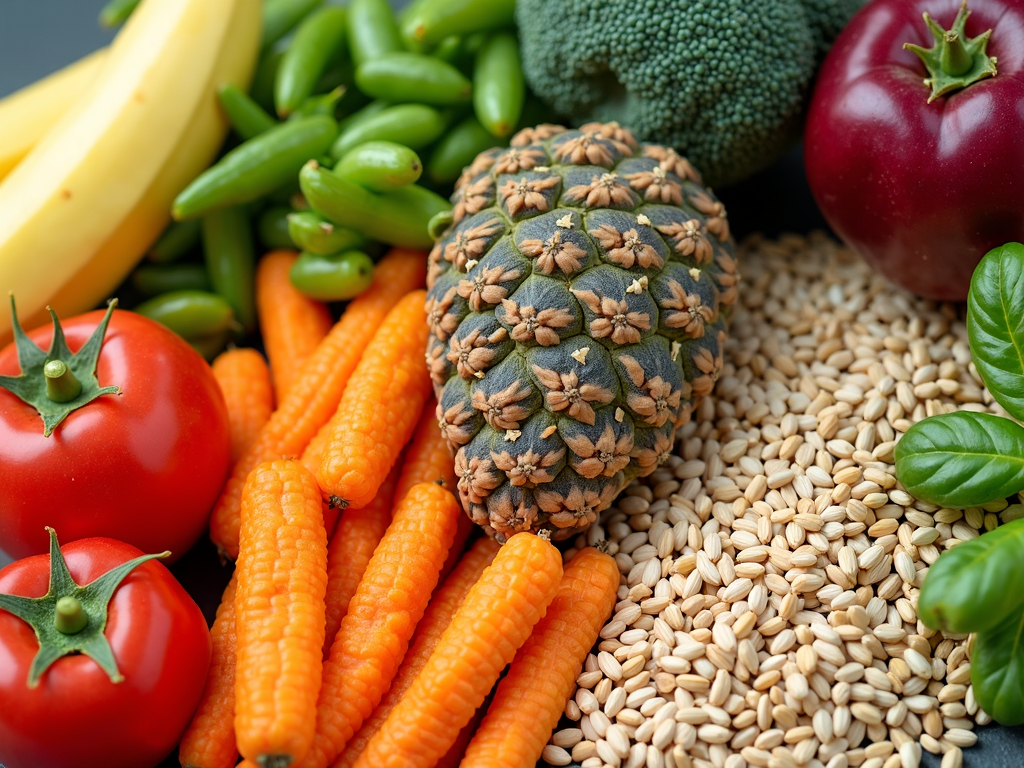
The primary management of FPIES is to avoid the trigger foods. Common trigger foods include cow's milk, soy, rice, oats, and certain fruits and vegetables. Parents need to work with a healthcare provider or a dietitian to ensure that the child's diet is nutritionally adequate while avoiding the trigger foods.
Importance of Early Childhood Nutrition
Early childhood nutrition is crucial for a child's growth and development. Proper nutrition during the first few years of life can have long-term effects on a child's health, cognitive development, and overall well-being. For children with FPIES, ensuring they receive adequate nutrition while avoiding trigger foods can be challenging but is essential.
Personal Insights or Experiences
As a parent, discovering that your child has FPIES can be overwhelming. I remember the first time my child had a reaction; it was terrifying to see them vomiting repeatedly and becoming lethargic. But with the help of our pediatrician and a dietitian, we were able to identify the trigger foods and adjust their diet accordingly. It was a learning process, but seeing my child thrive despite the condition was incredibly rewarding.
Tips for Parents Facing FPIES
Here are some tips for parents managing FPIES:
- Keep a detailed food diary to track what your child eats and any symptoms they experience.
- Work closely with your pediatrician and a dietitian to identify trigger foods and develop a safe and nutritious diet plan.
- Be prepared for FPIES reactions by having an emergency plan in place, including knowing when to seek medical attention.
- Educate family members, caregivers, and teachers about FPIES and how to respond in case of a reaction.
- Join support groups or online communities to connect with other parents dealing with FPIES.
Research on FPIES
While FPIES is considered a rare condition, its exact prevalence is not well-known. Some studies suggest that it may affect up to 0.34% of infants, but more research is needed to determine its true prevalence. FPIES is more common in infants and young children, and most children outgrow the condition by the age of 3 to 5 years.

Summary
In summary, FPIES is a type of food allergy that affects the gastrointestinal tract in infants and young children. It is characterized by delayed symptoms such as vomiting and diarrhea after ingesting trigger foods. Understanding FPIES is crucial for parents and caregivers to ensure proper nutrition and health for their children. By working with healthcare providers and dietitians, parents can manage FPIES effectively and provide their children with a balanced diet.

Discuss Here