Running is a fantastic way to stay fit, but it comes with the risk of injuries. This guide will help you understand common running injuries, how to prevent them, and how to choose the right gear to support your running journey.
Introduction
Running is more than just a workout; it's a lifestyle. Whether you're a seasoned marathoner or a beginner gearing up for your first 5K, the thrill of hitting the pavement is unmatched. However, with great runs come great responsibilities—specifically, the responsibility to take care of your body and avoid injuries that could sideline you.
In this guide, I'll share my personal experiences and insights on avoiding common running injuries. From choosing the right shoes to mastering proper form, I'll cover everything you need to know to keep your running journey smooth and pain-free.
Understanding Common Running Injuries
Before we dive into prevention, it's crucial to understand what we're up against. Here are some of the most common running injuries:
- Shin Splints: Pain along the shin bone, often caused by overpronation or improper footwear.
- Runner's Knee: Pain around the kneecap, usually due to overuse or weak muscles.
- Plantar Fasciitis: Inflammation of the tissue on the bottom of the foot, often from tight calves or improper shoes.
- Achilles Tendinitis: Inflammation of the Achilles tendon, typically from overuse or tight calves.
- IT Band Syndrome: Pain on the outside of the knee, often due to weak hips or improper form.
Each of these injuries has its own set of causes and prevention strategies, which we'll explore in detail.
Prevention Strategies
1. Choose the Right Shoes
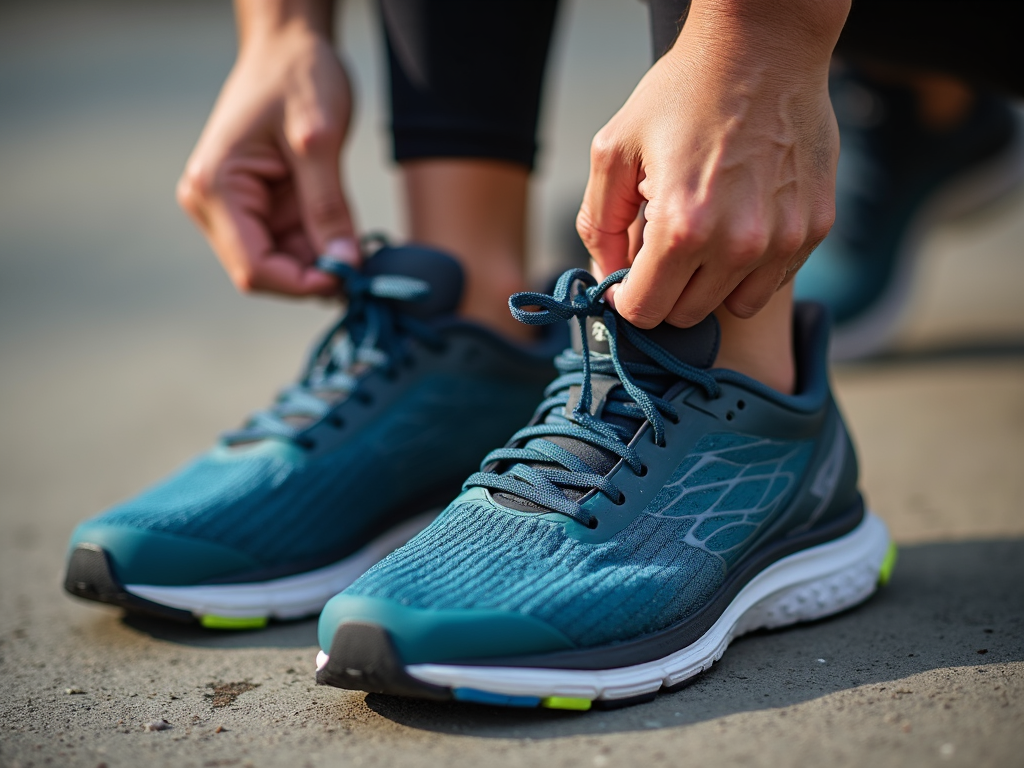
Finding the perfect running shoes is crucial for injury prevention. Here's a step-by-step guide to help you select the right pair:
- Know Your Foot Type: Are you an overpronator, underpronator, or neutral runner? Visit a specialty running store for a gait analysis.
- Consider Your Running Surface: Trail running requires different shoes than road running.
- Replace Worn-Out Shoes: Shoes typically last 300-500 miles. Don't wait until they're falling apart to get a new pair.
Personal Insight: I once tried to save money by running in old shoes, and I ended up with shin splints that took weeks to heal. Lesson learned: invest in good shoes!

2. Master Proper Form
Proper running form can significantly reduce your risk of injury. Here are some tips:
- Land Midfoot: Avoid heel striking, which can lead to knee and hip issues.
- Keep Your Posture Upright: Lean slightly forward from your ankles, not your waist.
- Relax Your Shoulders: Tension in your upper body can lead to fatigue and poor form.
Personal Insight: I used to run with my shoulders hunched up to my ears. Once I learned to relax them, my runs became much more enjoyable and less painful.

3. Warm Up and Cool Down
Never skip your warm-up or cool-down. A proper warm-up prepares your muscles for the run, while a cool-down helps them recover.
- Warm-Up: Start with dynamic stretches like leg swings and high knees.
- Cool-Down: End with static stretches, focusing on your calves, hamstrings, and quads.
Personal Insight: I used to think warm-ups were a waste of time until I pulled a muscle mid-run. Now, I never skip them.
4. Listen to Your Body
One of the most important lessons I've learned is to listen to my body. If something hurts, don't push through it. Rest, ice, and seek medical advice if necessary.
Personal Insight: I once ignored a nagging pain in my knee, thinking it would go away. It turned into a full-blown injury that kept me off the road for months. Don't make the same mistake.
5. Cross-Train and Strength Train
Running is great, but it's not the only exercise you should be doing. Incorporate cross-training and strength training to build overall fitness and prevent overuse injuries.
- Cross-Training: Try swimming, cycling, or yoga to give your running muscles a break.
- Strength Training: Focus on exercises that strengthen your core, hips, and glutes.
Personal Insight: Adding strength training to my routine not only improved my running but also helped me avoid injuries.

6. Choose the Right Gear
In addition to shoes, the right apparel can make a big difference in your comfort and performance. Here are some essentials:
- Moisture-Wicking Clothing: Keeps you dry and comfortable.
- Compression Gear: Can help with muscle recovery.
- Reflective Gear: Essential for night runs.
For those gearing up for a 5K, check out our guide on 5K Race Gear Essentials: What You Need to Know for more tips.

7. Recovery is Key
Don't underestimate the power of recovery. Adequate rest, nutrition, and hydration are crucial for injury prevention.
- Rest Days: Schedule at least one rest day per week.
- Nutrition: Fuel your body with a balanced diet rich in protein and carbs.
- Hydration: Drink plenty of water before, during, and after your runs.
Personal Insight: I used to think rest days were for the weak. Now, I know they're essential for long-term success.
Conclusion
Avoiding common running injuries is all about preparation, awareness, and self-care. By choosing the right gear, mastering proper form, and listening to your body, you can enjoy a long and injury-free running journey. Remember, running is a marathon, not a sprint—take it one step at a time.

Discuss Here