Overview
Discover the essential gear you need for a successful 5K race. From running shoes to apparel and accessories, this guide covers everything you need to know to prepare for race day.
Introduction
A 5K race, which is 3.1 miles, is a popular distance for runners of all levels. Whether you're a beginner looking to complete your first race or an experienced runner aiming for a personal best, proper preparation is key. One crucial aspect of preparation is having the right gear. In this article, we'll explore the essential gear you need for a 5K race and provide tips on how to choose the best equipment for your needs.
Importance of Proper Gear
Having the right gear can make a significant difference in your performance and comfort during a 5K race. Ill-fitting shoes or inappropriate clothing can lead to discomfort, blisters, or even injuries. On the other hand, well-chosen gear can enhance your running experience, allowing you to focus on your performance rather than distractions.
Running Shoes
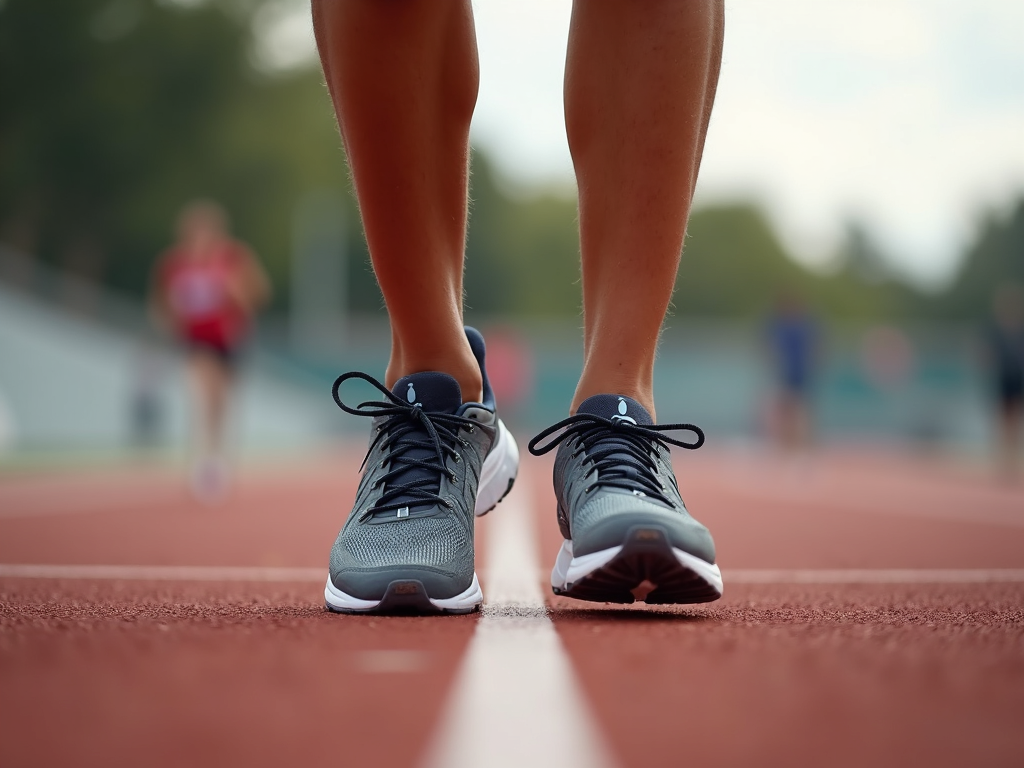
Running shoes are arguably the most important piece of gear for any runner. They provide cushioning, support, and stability, helping to prevent injuries and improve performance. When choosing running shoes, it's essential to consider your foot type, running style, and the terrain you'll be running on avantages.
There are three main categories of running shoes:
- Neutral shoes: Designed for runners with normal arches and a neutral gait.
- Stability shoes: Provide additional support for runners with low arches or mild overpronation.
- Motion control shoes: Offer maximum support for runners with flat feet or severe overpronation.
To determine your foot type, you can perform a simple wet test. Wet your foot and step onto a piece of paper. If you see a complete footprint, you likely have flat feet. If there's a gap in the middle, you have high arches. If the footprint is somewhere in between, you have normal arches.
Once you know your foot type, you can choose the appropriate shoe category. It's also important to consider the terrain. If you'll be running on trails, you'll need shoes with more traction and durability.
When trying on shoes, make sure there's enough room in the toe box and that the heel fits snugly without slipping. It's best to try on shoes later in the day when your feet are slightly swollen, as they will be during a race.
Remember to replace your running shoes every 300-500 miles, as worn-out shoes can lead to injuries.
Apparel
The right apparel can keep you comfortable and focused during your race. Look for moisture-wicking fabrics that draw sweat away from your skin, keeping you dry and preventing chafing.
For tops, choose lightweight, breathable shirts or tanks. In cooler weather, consider layering with a long-sleeve shirt or jacket.
Bottoms should be comfortable and allow for a full range of motion. Shorts, tights, or capris are all good options, depending on the weather and your personal preference.
Don't forget about socks. Moisture-wicking socks can help prevent blisters and provide cushioning. Look for socks specifically designed for running, with features like arch support and seamless construction.
Accessories
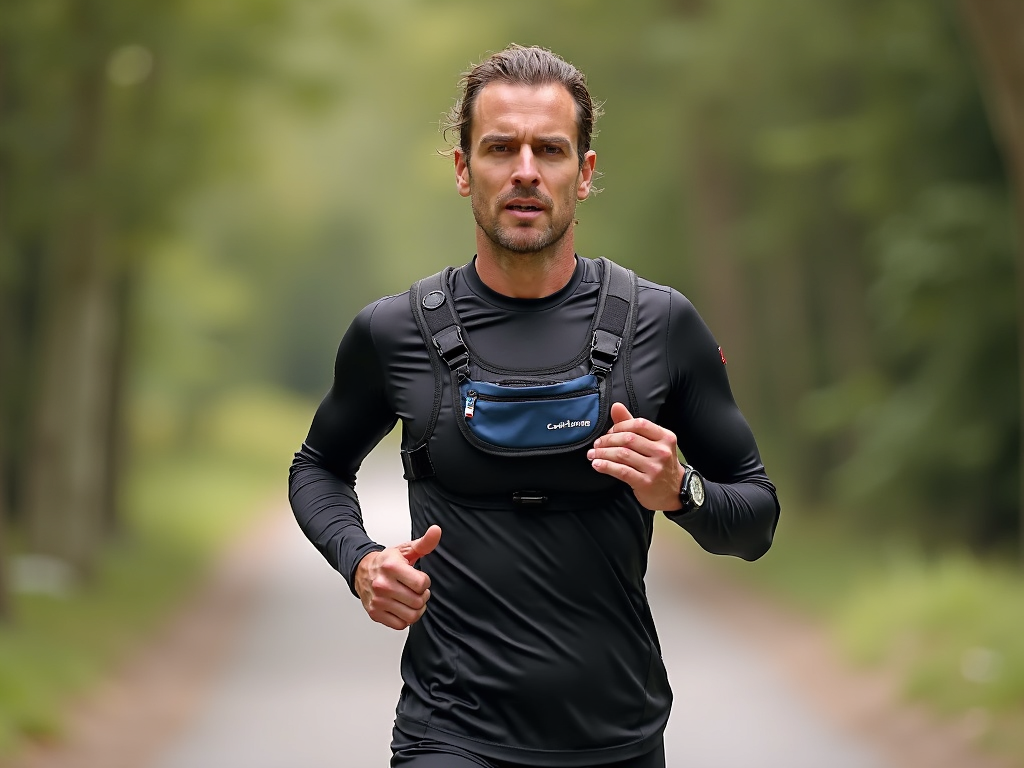
While not essential, accessories can enhance your running experience. Consider items like:
- Hats or visors: Provide sun protection and keep sweat out of your eyes.
- Sunglasses: Protect your eyes from the sun and wind.
- Hydration belts: Allow you to carry water or sports drinks during longer races.
- GPS watches or fitness trackers: Help you monitor your pace, distance, and other metrics.
Tips for Choosing Gear
- Get fitted for shoes at a specialty running store. The staff can analyze your gait and recommend the best shoes for your needs.
- Try on apparel before buying to ensure a proper fit. Move around in the clothes to make sure they don't restrict your movement or cause chafing.
- Consider the weather conditions on race day. Choose clothing that will keep you comfortable in the expected temperature and conditions.
- Don't wear new gear on race day. Break in your shoes and test out your apparel during training runs to ensure they work for you.
Preparing for Race Day
- Create a checklist of essential gear, including your bib number, safety pins, energy gels, and a change of clothes.
- Lay out your gear the night before the race to avoid last-minute scrambling.
- Arrive at the race venue early to allow time for parking, picking up your race packet, and warming up.
- Pack a race day bag with essentials like sunscreen, lip balm, and any medications you may need.
Summary
Proper gear is essential for a successful 5K race. By investing in quality running shoes, apparel, and accessories, you can enhance your performance and comfort on race day. Remember to choose gear that fits well, suits your individual needs, and is appropriate for the weather conditions. With the right preparation and equipment, you'll be ready to tackle your next 5K race with confidence.

Discuss Here