Positive reinforcement is a powerful tool in parenting, rooted in Applied Behavior Analysis (ABA). It rewards desired behaviors to encourage their repetition, enhancing family dynamics and child development. This article explores its role, offering practical insights for parents.
What is Positive Reinforcement?
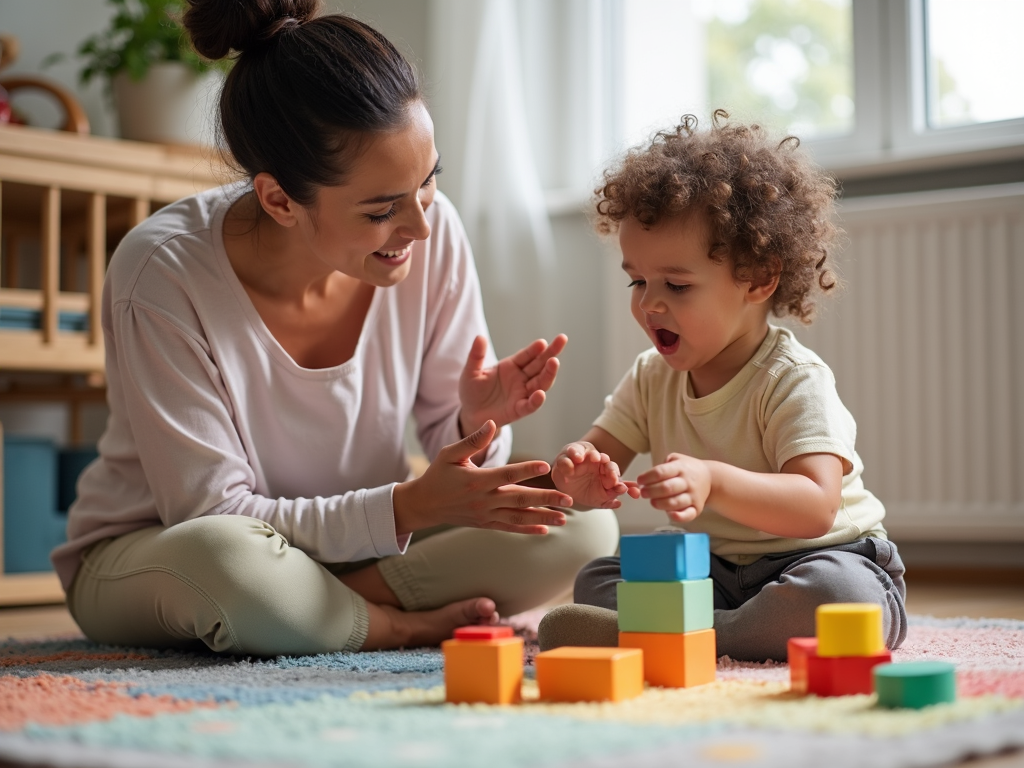
Positive reinforcement means adding a reward after a good behavior to make it happen more often. In parenting, this could be praise, a hug, or a small treat. For example, if your child tidies their toys, you might say, 'Awesome job! Let’s read an extra story tonight.'
This isn’t about spoiling kids. It’s about recognizing actions that help them grow and keep the family running smoothly. It’s simple, effective, and builds a positive vibe at home.
How Does Positive Reinforcement Work in Parenting?
When you reward a behavior, your child connects it with something good. This makes them want to do it again. Say they share a snack with a friend, and you cheer, 'That was so kind!' They’ll likely share next time too.
Timing matters—praise them right after. Keep it consistent and pick rewards they love. As the habit sticks, you can ease off the rewards a bit.
The Science Behind It: Applied Behavior Analysis (ABA)
Applied Behavior Analysis (ABA) is a science that studies how behavior works. It’s used in parenting to shape actions positively. ABA shows that rewarding good behavior—like finishing homework—makes it stick.
Parents can use ABA to spot behaviors to improve, pick the right rewards, and track progress. Learn more from The Behavior Analyst Certification Board, a top resource on ABA.

Benefits of Positive Reinforcement in Parenting
This approach has big wins:
- Builds Good Habits: Kids repeat what’s rewarded.
- Strengthens Bonds: Positive moments bring you closer.
- Boosts Confidence: Kids feel proud when praised.
- Cuts Down Arguments: Focusing on good reduces the need to punish.
It’s a win-win for everyone at home.
Practical Strategies for Implementing Positive Reinforcement
Try these tips:
- Spot the Good: Notice when your child does something great.
- Be Specific: Say, 'I love how you helped your brother,' not just 'Good job.'
- Mix Rewards: Use praise, playtime, or treats.
- Set Goals: Tell them what earns a reward.
- Track It: Use a chart for big wins, like chores.
Keep it fun and simple!

Common Mistakes to Avoid
Watch out for these:
- Too Many Rewards: Kids might expect them all the time.
- Skipping Sometimes: Be steady, or it won’t work.
- Promising First: Rewards come after, not before.
Balance is key—don’t overdo it, but don’t ignore bad behavior either.
Effective Communication Strategies for Families
Positive reinforcement pairs well with good talking. Listen when your child speaks. Say how you feel, like, 'I’m happy when we work together.' Show them how to talk kindly by doing it yourself.
This builds trust and makes rewards even stronger. Check out The American Psychological Association’s family communication guide for more tips.
ABA for Parents: Practical Strategies for Behavior Management
Applied Behavior Analysis for behavior modification helps at home. Pick a behavior—like bedtime routines. Choose a reward they like, maybe a story. Reward every time at first, then less as they get it.
Watch what works and tweak it. It’s about steady steps, not quick fixes.
A Real Example
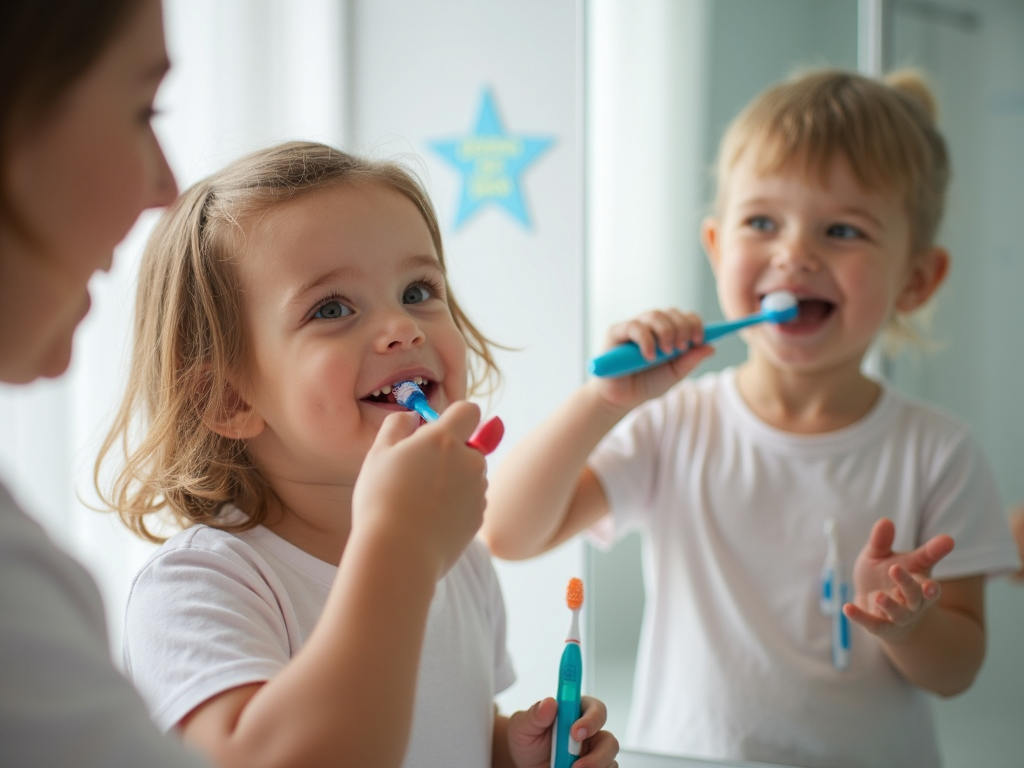
Imagine your child avoids brushing their teeth. You set a rule: brush twice a day, earn a star. Five stars mean a trip to the park. After a week, they’re brushing happily, and you’re both smiling more.
It’s small steps, big results.
How It Stacks Up Against Other Styles
Compare it:
- Strict Rules: Punishment works short-term but can upset kids.
- Too Easy: Letting everything slide makes kids unsure of limits.
- Positive Reinforcement: It sets rules with love, not fear.
It’s a middle ground that grows happy, responsible kids.
Why It Matters
I’ve seen this work wonders. A friend struggled with her son’s tantrums. She started praising calm moments instead of scolding the fits. Soon, he was calmer, and they were closer. It’s not magic—it’s effort and consistency paying off.

Summary
The Role of Positive Reinforcement in Parenting is about building up, not tearing down. Using Applied Behavior Analysis, you can guide kids with rewards and clear talking. It’s simple: praise what’s good, watch it grow, and enjoy a happier home.

Discuss Here