Mobile clinics are transforming healthcare in rural areas by bringing essential medical services directly to communities that face significant barriers to access. These innovative healthcare solutions are improving health outcomes, reducing disparities, and enhancing the quality of life for rural residents. In this article, we'll explore how mobile clinics are making a difference, share success stories, and discuss the future of this vital healthcare model.
The Challenges of Rural Healthcare
Rural areas often struggle with limited access to healthcare services due to geographic isolation, shortage of healthcare professionals, and economic constraints. These barriers can lead to delayed diagnoses, inadequate treatment, and poorer health outcomes compared to urban areas. Understanding these challenges is crucial to appreciating the impact of mobile clinics.
What Are Mobile Clinics?
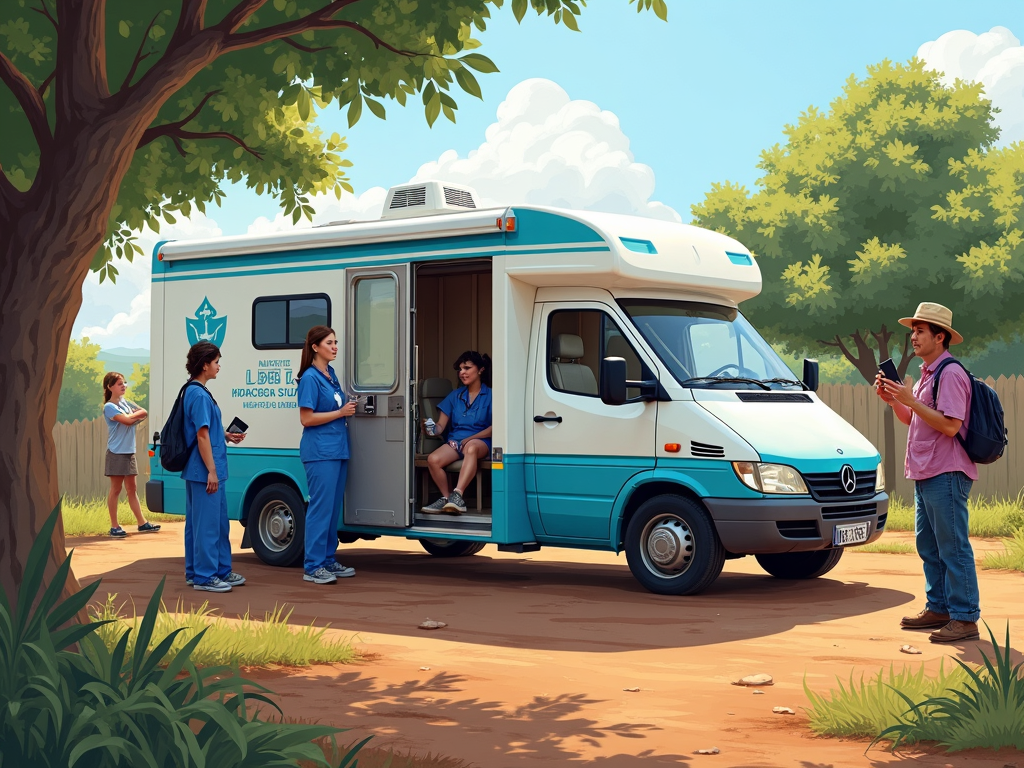
Mobile clinics are healthcare facilities on wheels, equipped to provide a range of medical services directly to communities. They can offer primary care, preventive services, dental care, mental health support, and more. By traveling to remote areas, mobile clinics ensure that healthcare is accessible to everyone, regardless of location.
How Mobile Clinics Address Barriers to Care
Mobile clinics tackle several key barriers to healthcare access in rural areas:
- Geographic Isolation: By bringing services to remote locations, mobile clinics eliminate the need for long travel times.
- Shortage of Providers: They supplement local healthcare workforce by providing additional medical professionals.
- Economic Constraints: Many mobile clinics offer services at reduced or no cost, making healthcare more affordable.
Success Stories: Community Health Boosters
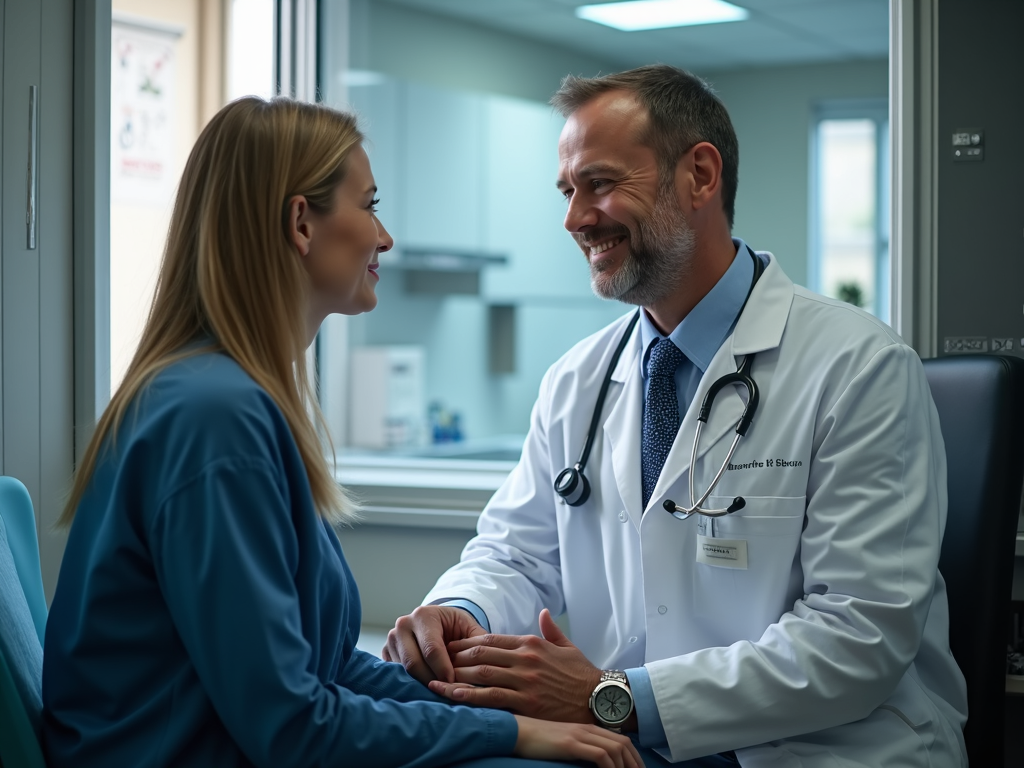
One inspiring example is the "Community Health Boosters" initiative, which has successfully implemented mobile clinics in several rural regions. These clinics have provided thousands of residents with essential healthcare services, from routine check-ups to chronic disease management. Personal stories from patients and healthcare providers highlight the profound impact of these mobile units.
The Impact on Health Outcomes
Studies have shown that mobile clinics can lead to significant improvements in health outcomes. For instance, they have been associated with increased vaccination rates, better management of chronic conditions, and reduced emergency room visits. By providing timely and accessible care, mobile clinics are helping to close the health disparity gap between rural and urban populations.
Challenges and Limitations
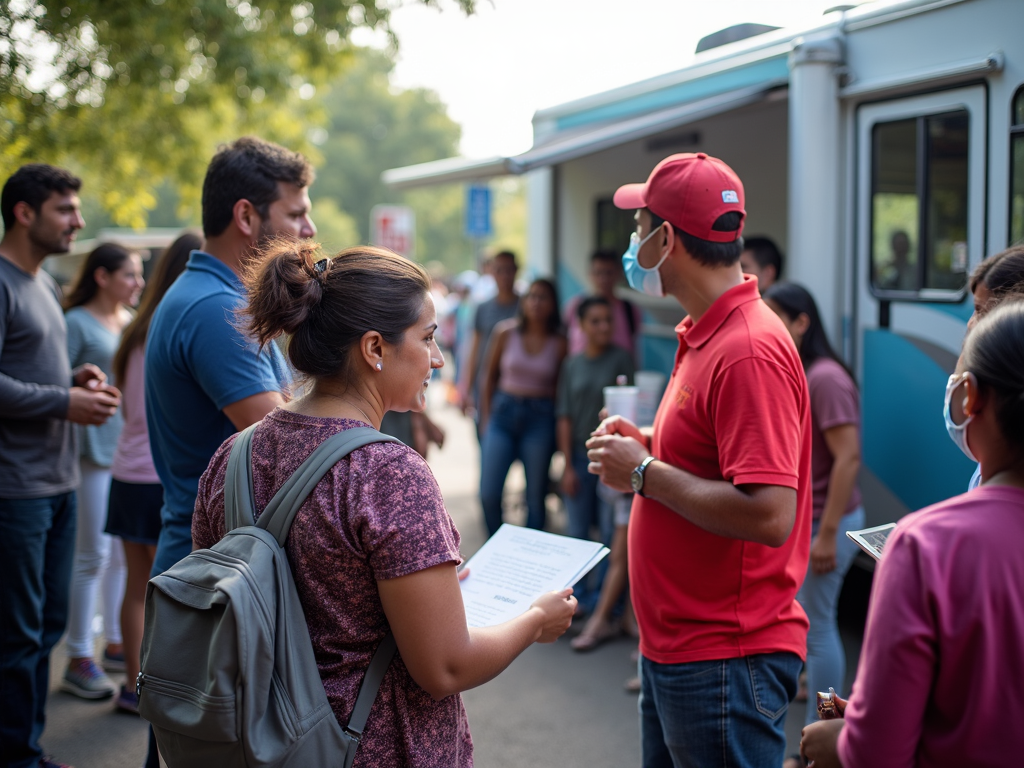
Despite their benefits, mobile clinics face challenges such as funding constraints, logistical issues, and the need for ongoing community engagement. Addressing these challenges is essential to ensure the sustainability and effectiveness of mobile healthcare services.
The Future of Mobile Clinics
The future of mobile clinics looks promising, with advancements in technology and telemedicine enhancing their capabilities. Integrating mobile clinics with telehealth services can further expand their reach and provide more comprehensive care. Additionally, partnerships with local organizations and governments can help secure funding and support for these vital services.
Conclusion
Mobile clinics are a game-changer for rural healthcare, offering a practical solution to longstanding barriers to access. By bringing care directly to communities, they are improving health outcomes and enhancing the quality of life for rural residents. As we look to the future, continued innovation and support for mobile clinics will be crucial in ensuring that everyone has access to the healthcare they need.

Discuss Here