Overview
Family wellness and nutrition plans are essential for maintaining the health and well-being of all family members. These plans involve creating balanced meal plans, encouraging healthy eating habits, and ensuring that each family member's nutritional needs are met. In this article, we will explore the importance of family wellness and nutrition plans, share personal insights, and provide practical tips for implementing these plans in your own family.
Main Content
When it comes to family wellness, nutrition plays a crucial role. A well-balanced diet can help prevent chronic diseases, boost energy levels, and improve overall health. However, creating a nutrition plan that suits the entire family can be challenging, especially with varying tastes, dietary restrictions, and busy schedules.
One of the first steps in creating a family wellness and nutrition plan is to assess the current eating habits of each family member. This can be done by keeping a food diary for a week, noting down everything that is consumed. This will help identify areas where improvements can be made, such as reducing sugar intake or increasing the consumption of fruits and vegetables.
Once you have a clear understanding of your family's eating habits, you can start planning balanced meals. A balanced meal should include a variety of food groups, such as lean proteins, whole grains, fruits, vegetables, and healthy fats. It's also important to consider portion sizes to ensure that each family member is getting the right amount of nutrients.
Meal planning can be a great way to ensure that your family is eating healthy meals throughout the week. By planning meals in advance, you can save time, reduce stress, and avoid the temptation of unhealthy fast food options. Involve your family in the meal planning process to ensure that everyone's preferences are considered.
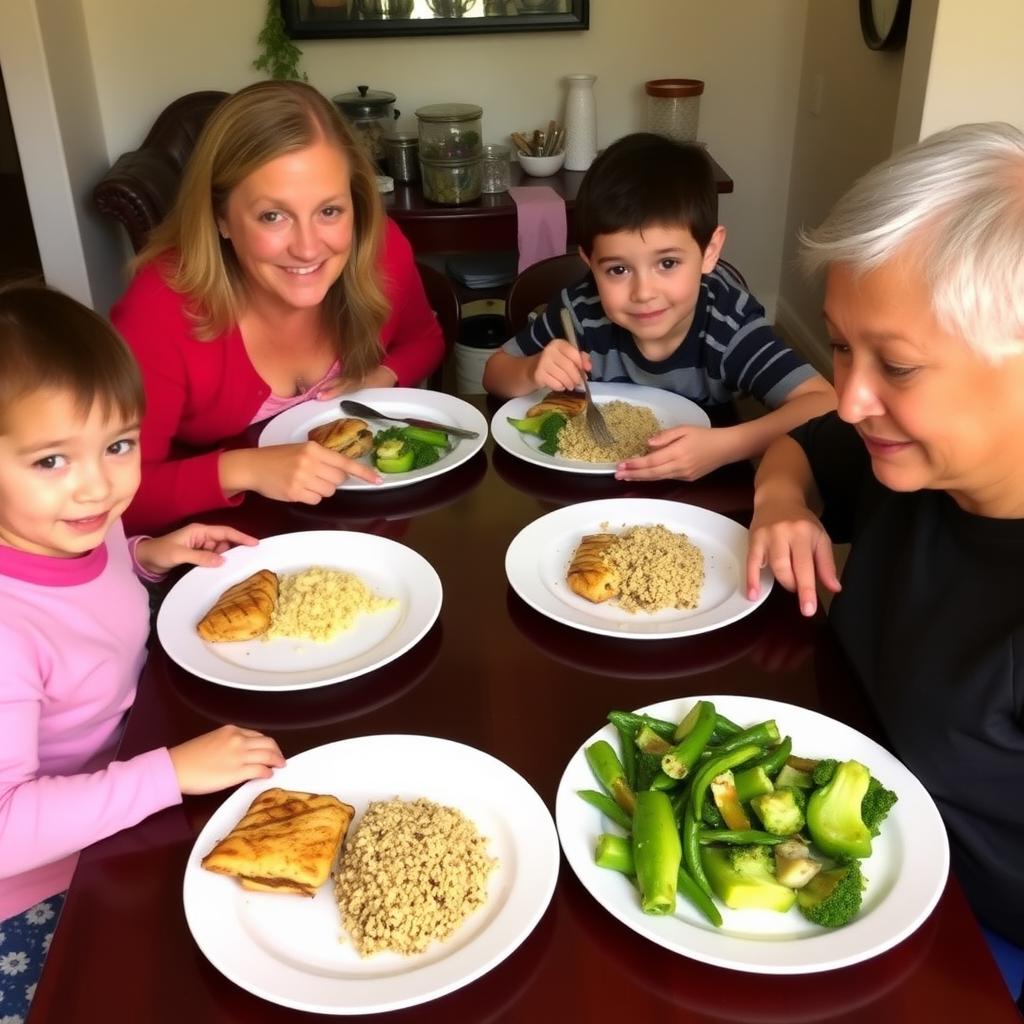
In addition to meal planning, it's important to encourage healthy eating habits. This can include eating meals together as a family, limiting screen time during meals, and setting a good example by making healthy food choices yourself. Children are more likely to adopt healthy eating habits if they see their parents doing the same.
Another important aspect of family wellness and nutrition plans is ensuring that each family member's nutritional needs are met. This may involve considering age-specific dietary requirements, such as the need for calcium and vitamin D in growing children, or the importance of iron and folate for women of childbearing age.
It's also important to be mindful of any dietary restrictions or allergies within the family. This may require finding alternative ingredients or recipes that cater to these needs while still providing a balanced and nutritious meal.
To make family wellness and nutrition plans more engaging, you can involve your family in the cooking process. This can be a fun way to teach children about healthy eating and encourage them to try new foods. You can also make mealtime more enjoyable by experimenting with different flavors and cuisines.

In addition to nutrition, family wellness also involves physical activity and mental well-being. Encouraging regular exercise and outdoor activities can help improve physical health and reduce stress. Mental well-being can be supported through open communication, quality time together, and practicing mindfulness or relaxation techniques.
When it comes to implementing family wellness and nutrition plans, it's important to be flexible and adaptable. Life can be unpredictable, and there may be times when sticking to the plan is challenging. It's okay to make adjustments as needed and to be kind to yourself and your family during these times.
One way to stay on track is to set realistic goals and celebrate small victories along the way. This can help keep the family motivated and engaged in the wellness journey. It's also important to regularly review and update the nutrition plan to ensure that it continues to meet the family's needs.

When creating a family wellness and nutrition plan, it's important to understand the role of different food groups in providing essential nutrients. Each food group offers unique benefits that contribute to overall health.
-
Fruits and Vegetables: These are rich in vitamins, minerals, and fiber. They help support immune function, promote healthy digestion, and reduce the risk of chronic diseases. Aim to include a variety of colorful fruits and vegetables in your family's diet to ensure a wide range of nutrients.
-
Whole Grains: Whole grains, such as brown rice, quinoa, and whole wheat bread, provide complex carbohydrates, fiber, and B vitamins. They help maintain steady energy levels and support digestive health.
-
Lean Proteins: Sources of lean protein, such as chicken, fish, beans, and tofu, are essential for building and repairing tissues,CY supporting immune function, and maintaining muscle mass.
-
Healthy Fats: Healthy fats, found in foods like avocados, nuts, and olive oil, are important for brain health, hormone production, and absorbing fat-soluble vitamins.
-
Dairy or Dairy Alternatives: These provide calcium, vitamin D, and protein, which are crucial for bone health and growth, especially in children.
By incorporating a balance of these food groups into your family's meals, you can ensure that everyone is getting the nutrients they need to thrive.

Another important aspect of family wellness and nutrition plans is understanding portion sizes. It's easy to overeat, especially with larger portion sizes becoming the norm in many restaurants and packaged foods. Teaching your family about appropriate portion sizes can help prevent overconsumption and promote healthy weight management.
For example, a serving of meat or fish should be about the size of a deck of cards, while a serving of pasta or rice should be about the size of a tennis ball. Using smaller plates and bowls can also help control portion sizes and prevent overeating.
In addition to portion control, it's important to encourage mindful eating. This involves paying attention to hunger and fullness cues, eating slowly, and savoring each bite. Mindful eating can help prevent over eating and promote a healthier relationship with food.
When it comes to family wellness, physical activity is just as important as nutrition. Encouraging regular exercise can help improve cardiovascular health, strengthen muscles and bones, and boost mood and energy levels.
There are many ways to incorporate physical activity into your family's routine. This could include going for walks or bike rides together, playing sports, or participating in fitness classes. Even simple activities like dancing or playing tag can be fun ways to get moving.
It's also important to limit sedentary behaviors, such as excessive screen time. Setting boundaries around screen time and encouraging outdoor play can help promote a more active lifestyle.

Mental well-being is another crucial component of family wellness. Stress, anxiety, and other mental health issues can impact the entire family. Therefore, it's important to create a supportive environment where family members feel comfortable discussing their feelings and seeking help when needed.
Practicing mindfulness and relaxation techniques, such as deep breathing or meditation, can help reduce stress and promote mental well-being. Additionally, spending quality time together as a family, whether through shared meals, game nights, or other activities, can strengthen family bonds and provide emotional support.

To make family wellness and nutrition plans more sustainable, it's important to involve the entire family in the process. This can include grocery shopping together, where family members can learn about selecting healthy foods, or cooking meals as a team, which can be a fun and educational experience.
You can also create a family wellness calendar to track meals, physical activities, and other wellness-related goals. This can help keep everyone accountable and motivated to stick to the plan.
Another tip is to make healthy eating fun and appealing. This could involve creating colorful and visually appealing meals, or turning healthy snacks into fun shapes or designs. For children, involving them in the preparation process can make them more excited to try new foods.

Implementing family wellness and nutrition plans can come with its own set of challenges. One common challenge is dealing with picky eaters, especially children who may be resistant to trying new foods. To overcome this, try involving them in the meal planning and preparation process. Let them choose a new vegetable to try each week or help with simple cooking tasks. This can make them more invested in the meal and more likely to give it a try.
Another challenge is finding time to prepare healthy meals amidst busy schedules. Meal prepping on weekends can be a lifesaver. Spend a few hours cooking and portioning out meals for the week, so you have healthy options ready to go on busy days.
Budget constraints can also be a hurdle. Healthy eating doesn't have to be expensive. Focus on buying in-season produce, purchasing in bulk, and planning meals around sales and discounts. Canned and frozen fruits and vegetables can also be cost-effective and nutritious options.
Lastly, staying motivated can be tough, especially when progress seems slow. Set small, achievable goals and celebrate each milestone. Keep a journal or use an app to track your family's wellness journey, and don't forget to reward yourselves for sticking to the plan.

Summary
In summary, family wellness and nutrition plans are vital for ensuring the health and happiness of all family members. By focusing on balanced nutrition, regular physical activity, and mental well-being, you can create a holistic approach to wellness that benefits everyone. Remember to involve the entire family in the process, be flexible, and celebrate your progress along the way.

Discuss Here