Taoist philosophy teaches us to move with life's natural rhythm rather than against it. In martial arts, especially Tai Chi, these ideas turn combat into a practice of balance, softness, and inner peace that anyone can use for better health and calmer living.
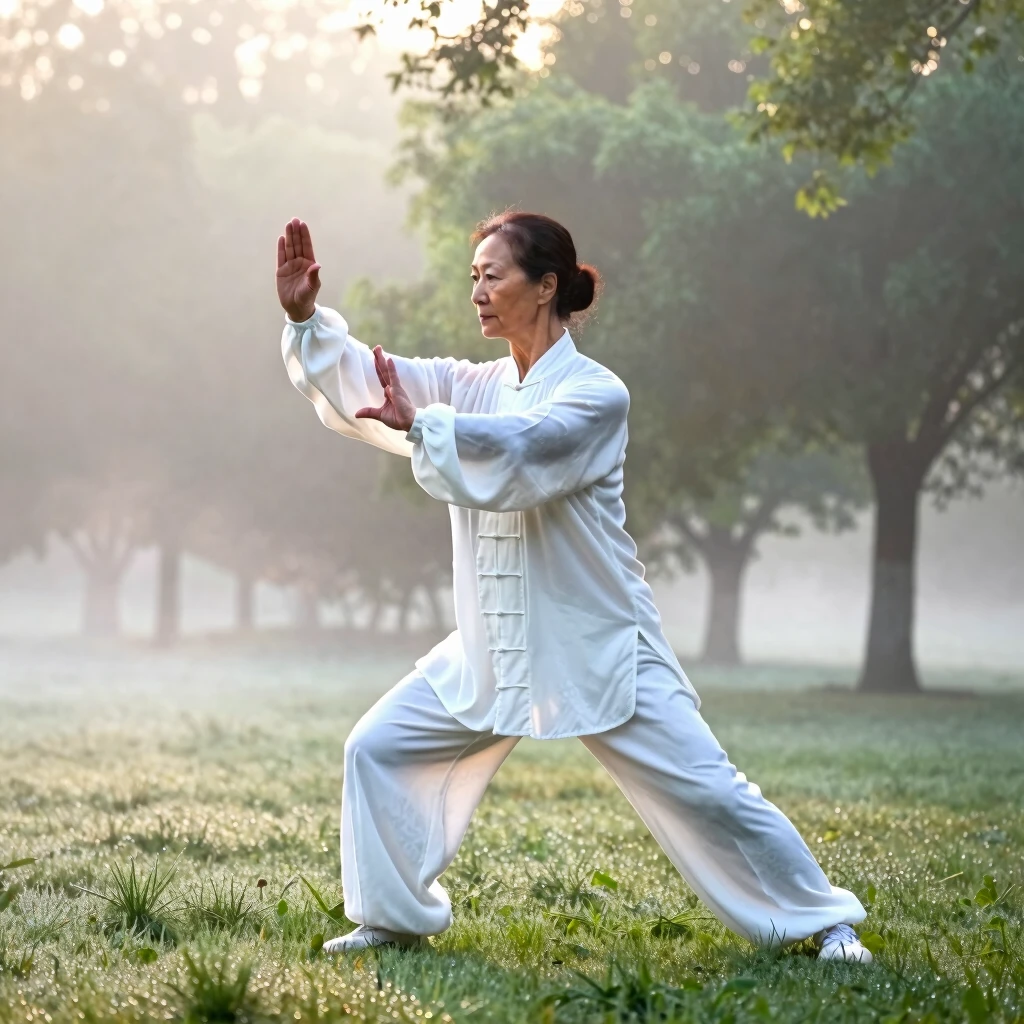
What Is Taoist Philosophy?
Taoism began in ancient China around the 4th century BCE. Its core text, the Tao Te Ching, is traditionally attributed to Lao Tzu. The philosophy centers on living in harmony with the Tao—the natural way of the universe.
Key ideas include balance (yin and yang), effortless action (wu wei), and flowing like water. Water appears soft yet can wear down stone over time. This same idea appears throughout Taoist-influenced martial arts.
According to the Stanford Encyclopedia of Philosophy entry on Daoism, Taoist thought emphasizes naturalness, simplicity, and alignment with cosmic patterns rather than forced control.
How Taoism Shapes Martial Arts
Chinese martial arts divide into "internal" (nei jia) and "external" (wai jia) styles. External styles focus on strength and speed. Internal styles, deeply rooted in Taoism, emphasize relaxation, breath, and energy flow.
Tai Chi Chuan, Bagua Zhang, and Xingyi Quan are the main internal arts. They teach practitioners to redirect force instead of meeting it head-on, exactly like the Taoist principle that softness overcomes hardness.
The History and Philosophy of Tai Chi
Legend credits Taoist immortal Zhang Sanfeng with creating Tai Chi in the 12th–14th century after watching a crane and snake fight—the snake's yielding movements prevailed.
Historical records trace modern Tai Chi to Chen Wangting in Chen Village during the late Ming Dynasty (1600s). The art spread through Yang, Wu, and Sun family styles in the 19th and 20th centuries.
At its core, Tai Chi embodies Taoist principles: - Yin and yang in every movement (ward off/attack, advance/retreat) - Wu wei—moving without strain - Cultivating and circulating qi (life energy) - Rooting like a tree while staying relaxed
Key Taoist Principles in Practice
- Balance of Yin and Yang – Every push contains a yield, every full movement an empty one.
- Wu Wei (Effortless Action) – You don't force techniques; you allow them to happen at the right moment.
- Softness Over Hardness – Relaxed muscles and proper structure redirect incoming force.
- Flow Like Water – Continuous, circular movements keep energy moving without stagnation.
- Rooted Yet Flexible – Stay grounded while adapting instantly to change.
When you practice these ideas slowly in solo forms, they become natural responses in push hands or self-defense.
Health Benefits Backed by Research
Modern studies confirm what practitioners have known for centuries.
The Harvard Medical School guide to Tai Chi reports improvements in balance, flexibility, cardiovascular health, and stress reduction.
The National Center for Complementary and Integrative Health notes evidence that Tai Chi helps with chronic pain, arthritis, Parkinson's disease, and fall prevention in older adults.
Mayo Clinic highlights benefits for sleep quality, immune function, and lowered blood pressure.
Integrating Tai Chi into Family Wellness Plans
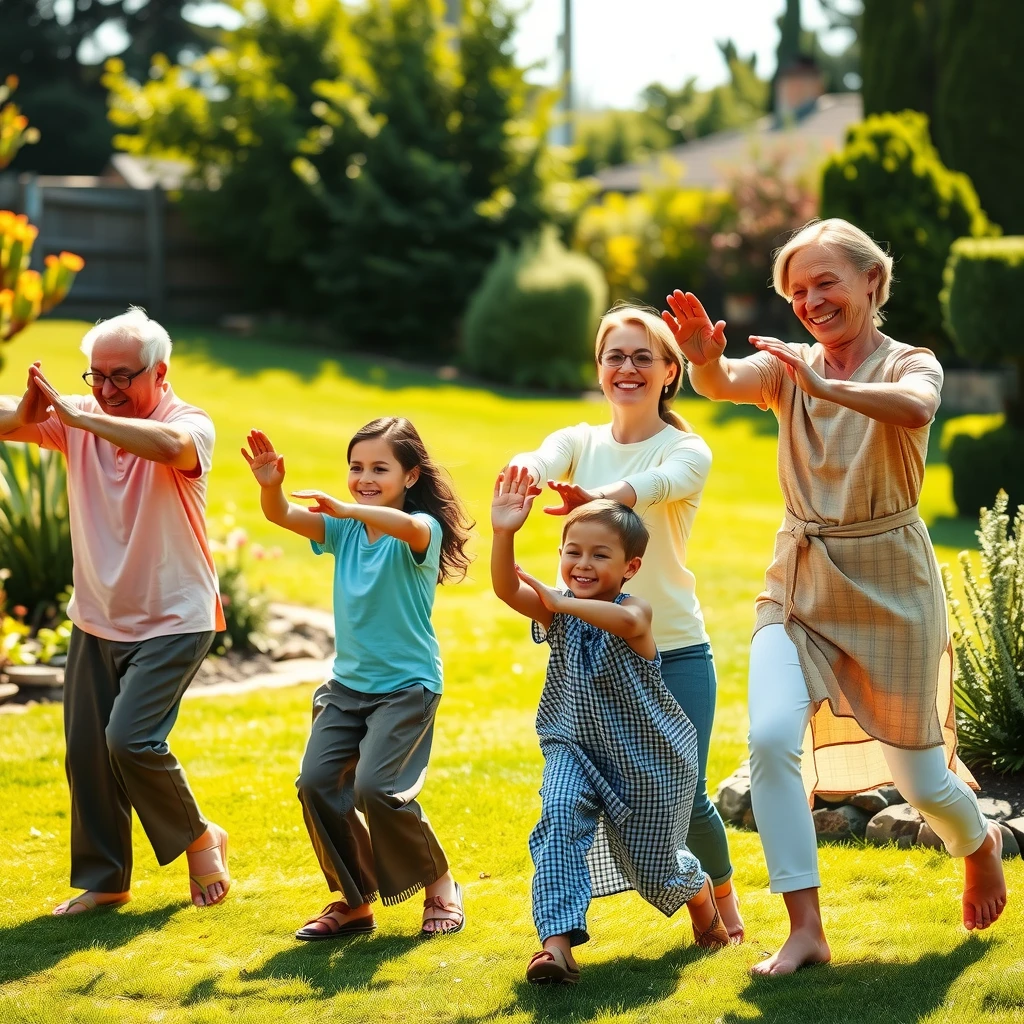
Families today face constant schedules and screen time. Tai Chi offers a gentle way to reconnect.
Start simple: - Set aside 10–15 minutes three evenings a week - Learn a short beginner form together from free online videos - Practice outdoors when weather allows—nature enhances the Taoist feel - Make it social—laugh when someone loses balance, encourage each other - Turn it into a ritual: practice before dinner or as weekend morning routine
Children as young as five can participate and often love the slow, dance-like movements. Older family members benefit most from the low-impact exercise.
In my own experience teaching community classes, I've watched stressed parents relax and teenagers put down their phones to join in. One family told me their weekly Tai Chi sessions became the only time everyone was fully present together.
Bringing It All Together
Understanding Taoist philosophy in martial arts reveals that true strength comes from yielding, true power from relaxation, and true victory from harmony rather than domination.
Whether you practice Tai Chi for self-defense, health, meditation, or family bonding, you're connecting to an ancient wisdom that remains deeply relevant today.
Start small. Move slowly. Listen to your body. Let the practice teach you the rest—just as the Tao intends.

Discuss Here