Overview
Ever stared at a food label and felt lost in a sea of numbers and words? You're not alone. This guide, Decoding Food Labels: A Beginner's Guide, breaks it down simply. We'll cover nutrition facts, hidden ingredients, and tips for those with chronic food allergies. By the end, you'll shop smarter and eat safer. (42 words)
Why Bother Decoding Food Labels?
Food labels hold the key to better health. They tell you what's inside that package – calories, fats, sugars, and more. For most folks, this means choosing balanced meals. But for those with sensitivities, it's a lifeline.
I recall my first big grocery trip after learning about my mild wheat sensitivity. Labels turned from mysteries into maps. Suddenly, I avoided tummy troubles and felt in control. You can too.
Labels help track nutrients to fuel your day. They flag allergens that could spark reactions. In a world of processed foods, reading them cuts through the hype.
Consider this: The average shopper spends just seconds glancing at packages. Yet, those moments decide your health. Slow down. Decode. Thrive.
The Basics: Nutrition Facts Label
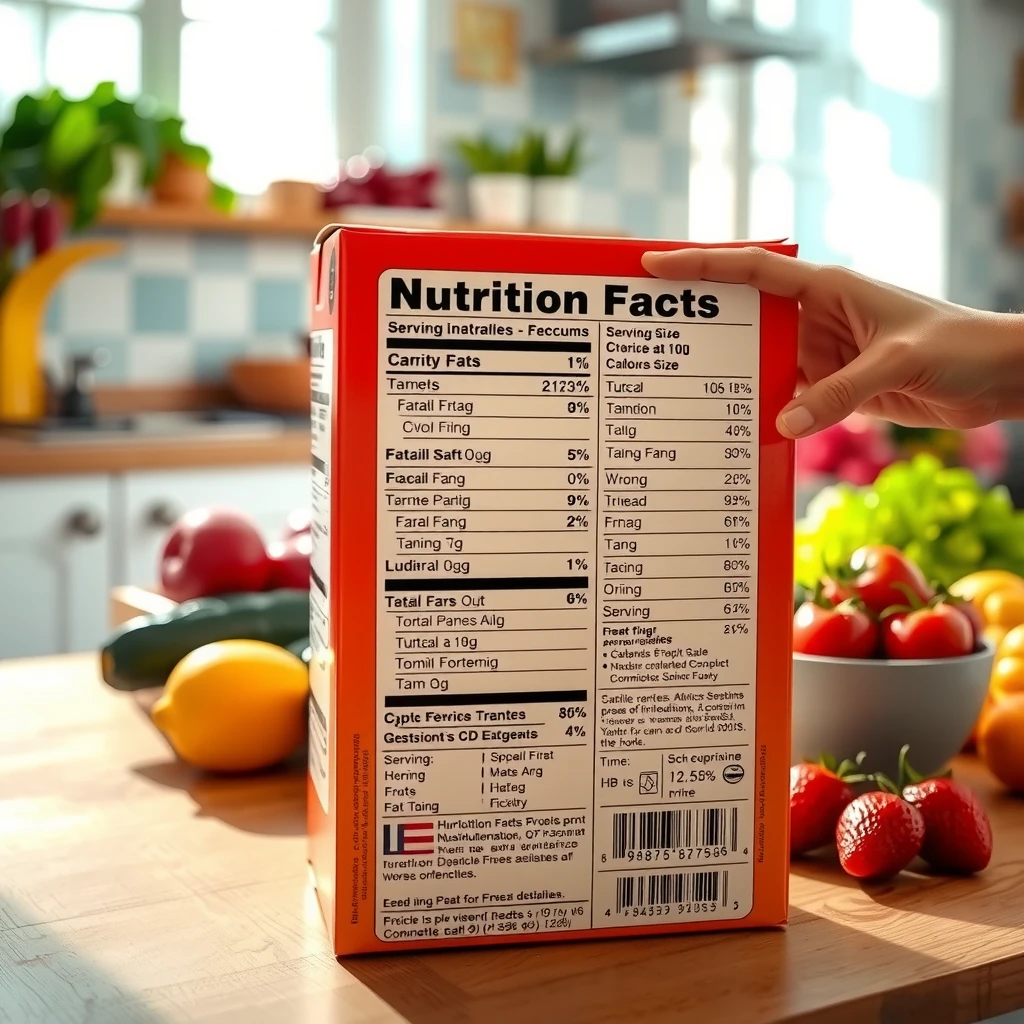
Start here – the black-and-white box on the back. It lists serving size first. Everything else? Based on that amount. Grab one too many servings, and those "healthy" numbers double.
Next, calories. They show energy per serving. Aim for whole foods over empty ones.
Fats, carbs, proteins follow. Look at total fat, then break it down: saturated, trans (avoid those), unsaturated (good ones).
For a quick guide, check the FDA's step-by-step on understanding nutrition facts. It simplifies percentages and daily values based on 2,000 calories.
Here's a simple table to remember:
| Nutrient | What to Watch | Why It Matters |
|---|---|---|
| Serving Size | Matches your portion | Prevents overeating |
| Calories | Total energy | Fuels activity |
| Total Fat | Under 20% daily | Heart health |
| Sodium | Below 2,300 mg/day | Blood pressure control |
| Added Sugars | Less than 10% calories | Avoids spikes |
Proteins and fibers? Load up. Vitamins and minerals get percentages – 20% or more means a solid source.
Pro tip: Compare brands side-by-side. That "low-fat" yogurt? It might pack more sugar than the full-fat one.

Ingredient Lists: Spot the Sneaky Stuff
Ingredients run from most to least by weight. Short list? Often cleaner food.
Watch for sugars in disguise: corn syrup, dextrose, maltose. They add up fast.
Allergens get bold print in many places, but not always. Common ones: milk, eggs, peanuts, tree nuts, soy, wheat, fish, shellfish, sesame (newly added).
Hidden traps? Natural flavors might hide MSG. "Whey" signals dairy. Cross-contamination warnings say: "Made in a facility with nuts."
I once grabbed a "gluten-free" bread – only to find barley malt. Lesson learned: Read every word.
Use this checklist: - Scan top five ingredients first. - Hunt allergen bolding. - Check for "may contain" notes. - Verify certifications like USDA Organic.
Decoding for Chronic Food Allergies
Chronic Food Allergy changes everything. Reactions linger, diets restrict. For Chronic FPIES – Food Protein-Induced Enterocolitis Syndrome – it's tougher. This non-IgE allergy hits the gut hard, causing vomiting and dehydration hours after trigger foods.
FPIES affects babies mostly, but adults too. Common triggers: cow's milk, soy, rice. Management? Strict avoidance.
Learn more from the Children's Hospital of Philadelphia on FPIES symptoms and care. They stress emergency plans and reintroduction tests.
When my nephew faced Chronic FPIES, labels became our bible. We dodged rice in cereals, soy in sauces. It built his confidence – and ours.
Key labels for allergy sufferers: - Allergen statements at the end. - "Processed in shared facility." - Certified allergen-free seals from FARE.
Always double-check. One slip? A rough day.

Best Diets for Chronic Food Allergy Sufferers
No one-size-fits-all, but patterns help. Focus on whole foods: fruits, veggies, lean proteins, grains like quinoa or oats (if tolerated).
For Chronic Food Allergy folks, elimination diets rule. Remove triggers, add back slowly under doc guidance.
Explore Allergy Asthma Network's safe substitutions for top allergens. Swap cow's milk for oat or almond – but test first.
Build meals around tolerances: 1. Proteins: Turkey, eggs (if okay), lentils. 2. Carbs: Sweet potatoes, gluten-free rice. 3. Fats: Olive oil, avocados. 4. Veggies: All the greens.
A sample day: - Breakfast: Oatmeal with banana (no milk). - Lunch: Turkey salad on quinoa. - Snack: Apple with seed butter. - Dinner: Grilled fish, steamed veggies, brown rice.
This keeps variety without risk. Track symptoms in a journal. Adjust as needed.
Remember, consult a dietitian. They tailor plans to your FPIES or other needs.
Actionable Tips for Everyday Wins
Shop the perimeter – fresh stuff has fewer labels.
Make a trigger list. Pin it to your fridge.
Batch-prep safe meals. Freeze portions.
Apps like Fig or Yummly scan labels – handy backups.
Talk to brands. Many share full allergen info online.
Involve kids early. Turn label reading into a game: "Find the sugar!"
For travel, pack basics. Airports now flag allergens better.
Stay updated. Labels evolve – like sesame's new status.
Wrapping It Up
Decoding Food Labels: A Beginner's Guide equips you to navigate shelves confidently. From nutrition breakdowns to allergy alerts, small reads yield big health gains. Especially for Chronic Food Allergy and FPIES warriors, knowledge empowers.
Start today: Pick one package. Decode it. Feel the shift. Your body thanks you. (1480 words total)

Discuss Here