Why Outdoor Play Matters
Children today spend more time indoors than ever before, often glued to screens or busy with structured activities. But stepping outside to play—whether it’s running in the park, climbing trees, or exploring nature—offers benefits that no indoor activity can match. Outdoor play is not just about burning energy; it’s a key part of how children learn, grow, and thrive.
Physical Benefits
Outdoor play gets kids moving in ways that build strong bodies. When children run, jump, and climb, they develop better balance, coordination, and muscle strength. These activities also boost their immune systems and help them sleep better at night. Unlike structured sports, free play outdoors allows kids to move at their own pace, exploring what their bodies can do without pressure.
I’ve seen this firsthand with my own children. After a day of playing outside, they come home tired but happy, and they sleep like logs. It’s amazing how much more energy they have for school and other activities when they’ve had time to run around outside.
Cognitive Benefits
Outdoor play also sharpens children’s minds. Nature is full of surprises—different textures, sounds, and sights—that spark curiosity and creativity. When kids build forts, dig in the dirt, or invent games, they’re practicing problem-solving and critical thinking. Studies show that children who spend more time outdoors have better focus and attention spans, which can help them in school.
One study from the University of Illinois found that children with ADHD showed fewer symptoms after spending time in green spaces. Nature seems to have a calming effect that helps kids concentrate better.
Social Benefits
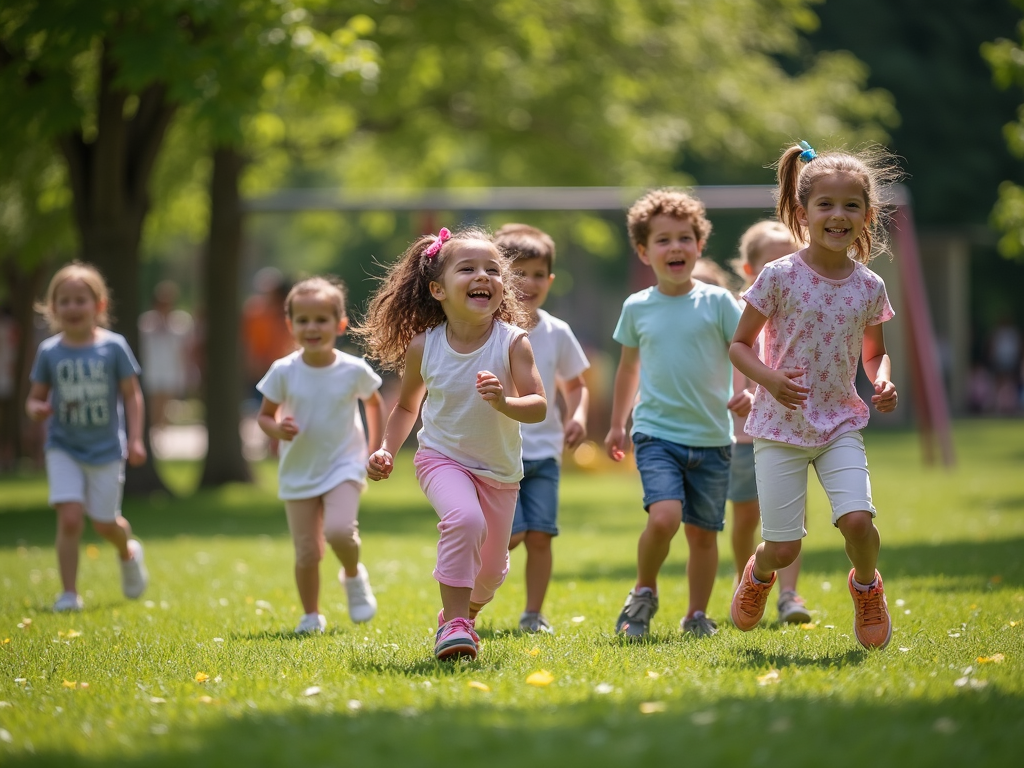
Playing outside with others teaches children how to work together, share, and communicate. Whether they’re taking turns on the swings or teaming up for a game of tag, kids learn important social skills like empathy and cooperation. These are skills they’ll use throughout their lives, from making friends to working with others as adults.
I remember watching my daughter negotiate the rules of a game with her friends at the park. It wasn’t always smooth, but those moments taught her how to listen, compromise, and lead—skills that can’t be learned from a screen.
Overcoming Challenges
While outdoor play is important, it’s not always easy to make it happen. Here are some common challenges and how to tackle them.
Safety Concerns
It’s natural to worry about safety, especially in busy areas or near roads. The key is to supervise younger children and teach older ones basic safety rules, like looking both ways before crossing the street or staying within sight. Choose safe, enclosed spaces like playgrounds or backyards when possible.
Weather Issues
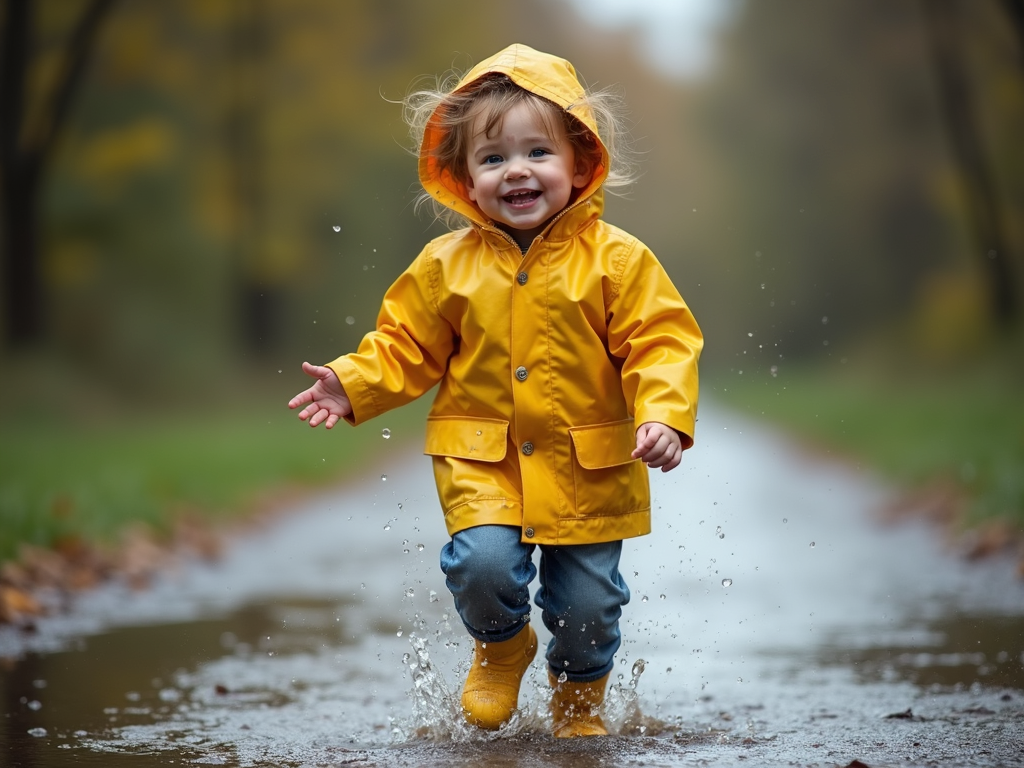
Bad weather can be a barrier, but it doesn’t have to stop outdoor play. Dress kids in weather-appropriate clothing—raincoats for wet days, warm layers for cold ones. If the weather is too extreme, have indoor alternatives like dance parties or indoor obstacle courses to keep them active.
Screen Time Temptation
Screens are a big draw for kids, but setting limits can help. Create “screen-free” times during the day when everyone unplugs and heads outside. Offer appealing outdoor options, like a new ball or a kite, to make the choice easier.
Recommended Readings
- "The Benefits of Nature for Children's Health"
- "Fun Outdoor Activities for Families"
- "Balancing Screen Time and Outdoor Play"
Internal Links
- Understanding Childhood Nutrition: A Parent’s Guide
- Creating Healthy Eating Habits for Children
- Active Lifestyle Ideas for Families

Discuss Here