How to Train for Your First 5K Race
Training for your first 5K race can be an exciting and rewarding journey. Whether you're aiming for a personal best or just want to cross the finish line, this guide will help you prepare effectively, avoid common injuries, and enjoy the process.
Building Your Training Plan
A well-structured training plan is crucial for success. It should be tailored to your current fitness level and gradually increase in intensity.
Start with a Walk-Run Approach
If you’re new to running, begin with a walk-run method. This involves alternating between walking and running intervals. For example, you might start with 1 minute of running followed by 2 minutes of walking, repeating this for 20-30 minutes.
Weekly Schedule
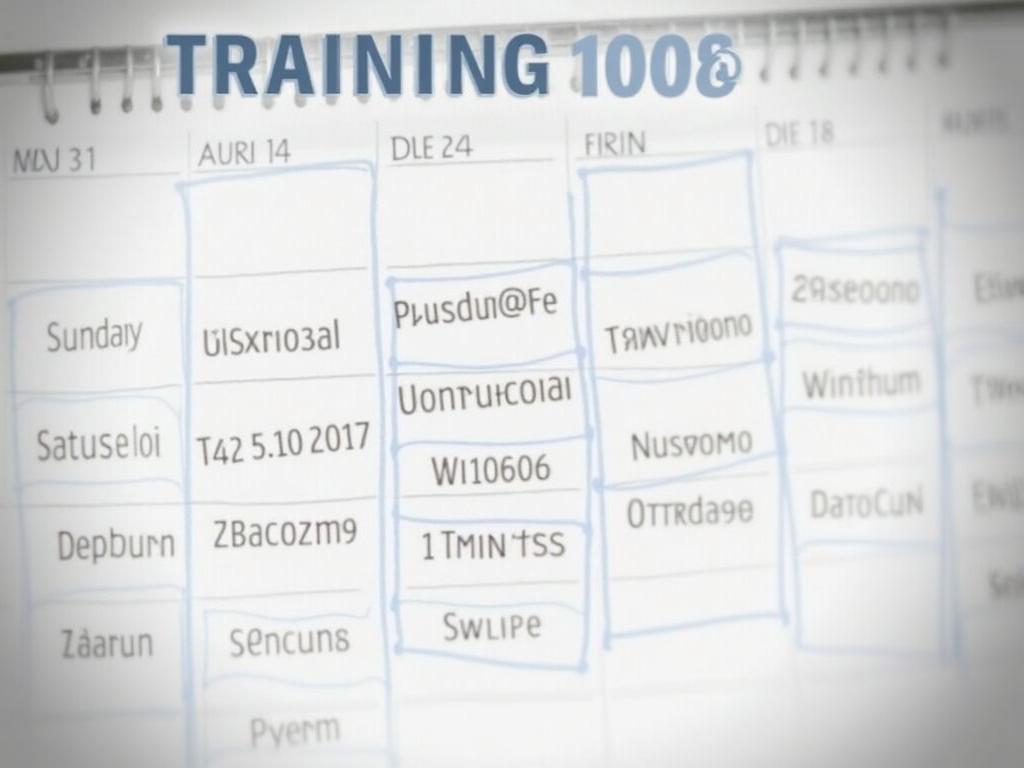
Aim for 3-4 training sessions per week. Here’s a sample schedule:
- Monday: Rest or light cross-training (e.g., cycling or swimming)
- Tuesday: Walk-run intervals
- Wednesday: Rest or light cross-training
- Thursday: Walk-run intervals
- Friday: Rest
- Saturday: Longer walk-run session
- Sunday: Rest
Increasing Intensity
Every week, slightly increase the running intervals and decrease the walking intervals. For example, in week two, you might run for 2 minutes and walk for 1 minute. Continue this progression until you can run continuously for 30 minutes.
Nutrition and Recovery
What you eat and how you recover are just as important as your training runs.
Pre-Run Fuel
Eat a light snack 30-60 minutes before your run. A banana or a slice of toast with peanut butter are good options.
Post-Run Recovery
After your run, refuel with a mix of protein and carbohydrates. This could be a smoothie with fruit and protein powder or a turkey sandwich.
Rest Days
Don’t underestimate the importance of rest days. They allow your muscles to recover and prevent burnout.

Mental Preparation and Motivation
Training for a 5K isn’t just physical; it’s mental too.
Set Mini-Goals
Break your training into smaller, achievable goals. Celebrate each milestone, whether it’s running for 10 minutes straight or completing your first mile without stopping.
Find a Training Buddy
Running with a friend or family member can make training more enjoyable and keep you accountable.
Visualize Success
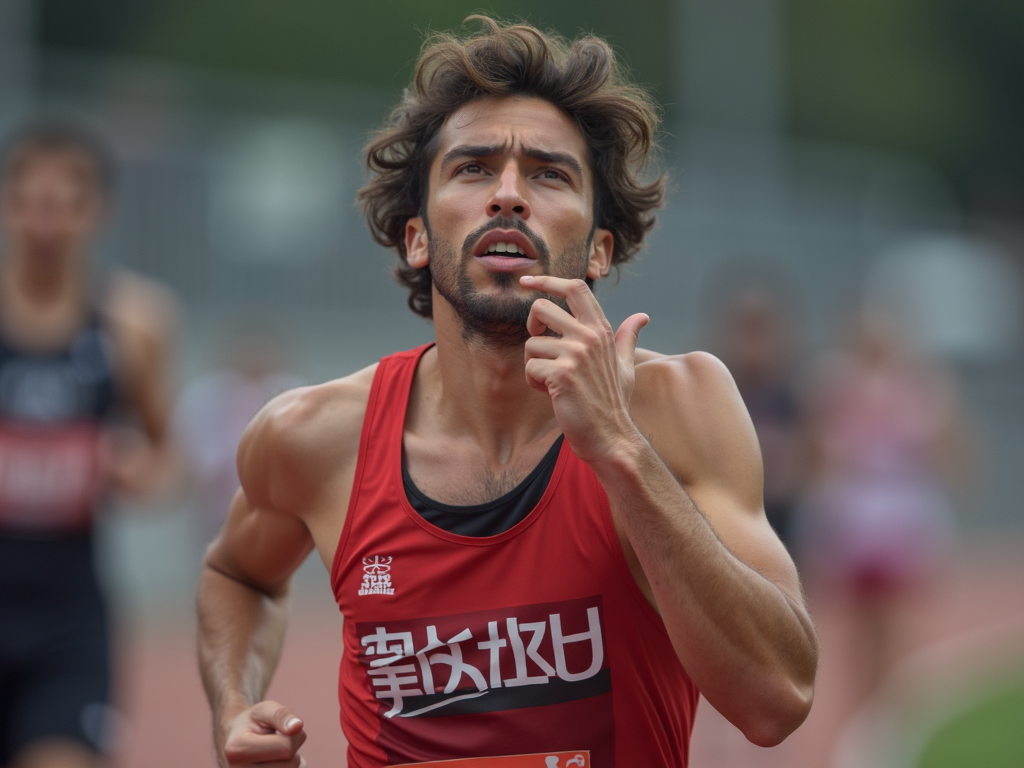
Imagine yourself crossing the finish line. Visualization can boost your confidence and motivation.
Summary
Training for your first 5K race is a journey that requires dedication, but it’s also incredibly rewarding. By following a structured plan, taking care of your body, and staying motivated, you’ll be ready to cross that finish line with confidence. Remember, the goal isn’t just to finish the race but to enjoy the process and maybe even inspire your family to join in the fun.
Getting Started: Your First Steps
So, you’ve decided to run your first 5K race—awesome! A 5K is 3.1 miles, and while that might feel overwhelming at first, it’s totally doable with a little preparation. I remember my own first 5K; I wasn’t a runner, but I wanted to prove to myself I could do it. That’s where it all begins: a simple goal.
Why Choose a 5K?
5K races are everywhere, and they’re beginner-friendly. They’re short enough to be manageable but long enough to feel like an accomplishment. Many events even double as family fun runs, which I love because they’re a great way to get into family fitness. Picture this: you, your kids, or even your spouse cheering each other on—it’s motivating and builds memories.
Setting Your Goal
Ask yourself: why are you doing this? Maybe you want to finish without stopping, or perhaps you’re aiming for a specific time. My goal was just to cross the finish line smiling. Whatever yours is, write it down. It’ll keep you focused when the going gets tough.
Essential Gear and Preparation
You don’t need fancy stuff, but the right gear helps a ton. Trust me—running in old sneakers was my first rookie mistake.
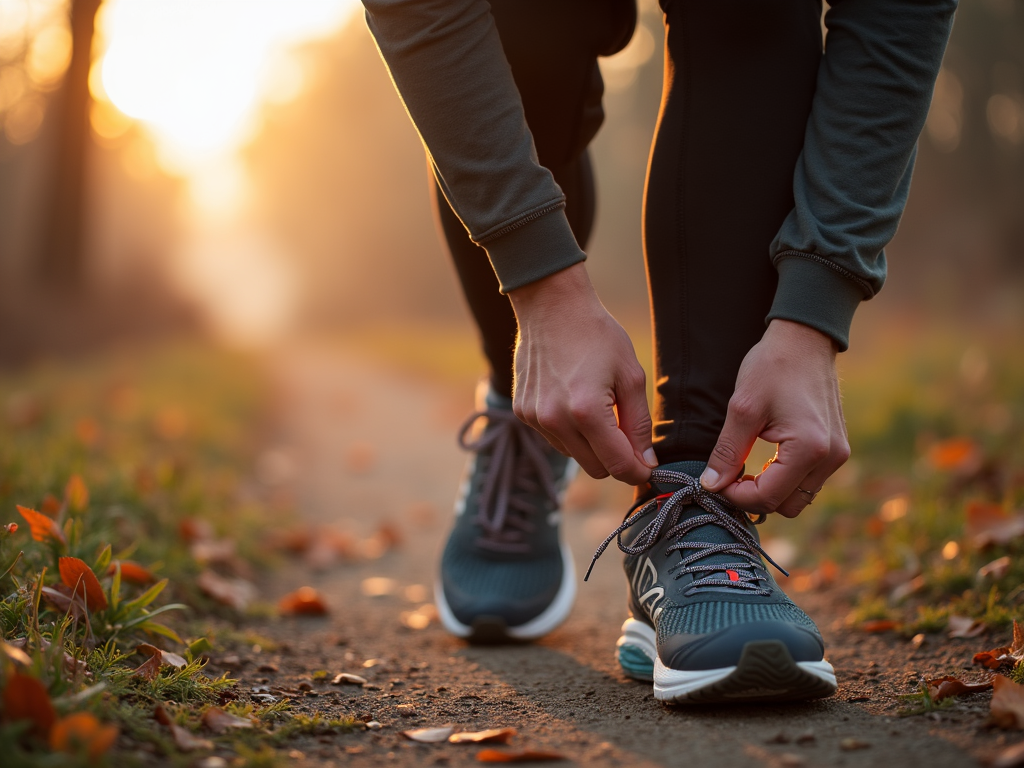
Shoes
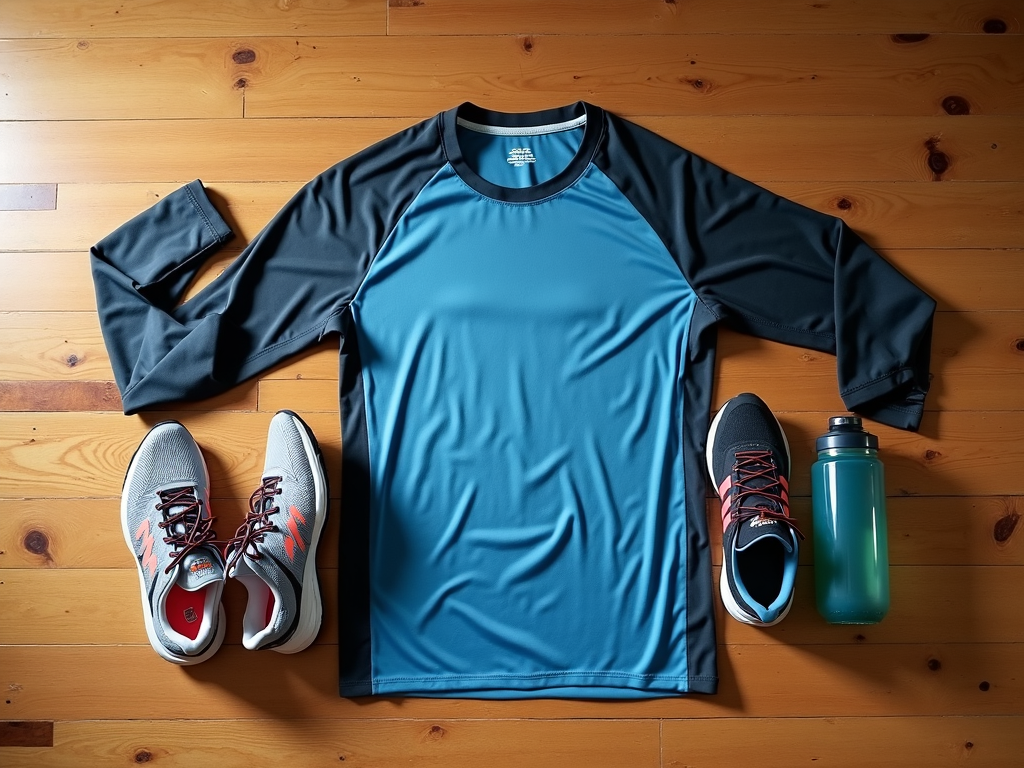
Get proper running shoes. Go to a store where they analyze your stride—it’s worth it. Good shoes cut down on common injuries in 5K runners, like shin splints or sore heels. My first pair felt like walking on clouds, and it changed everything.
Clothing
Skip cotton—it soaks up sweat and rubs your skin raw. Grab moisture-wicking gear instead. It keeps you comfy, whether it’s hot or chilly.
Hydration
Bring water, especially on longer runs. I’d map routes near parks with fountains—it saved me more than once.
Avoiding Common Injuries
Common injuries in 5K runners—like shin splints or knee pain—can stop you cold. But you can avoid them with some care.
Listen to Your Body
Feel a twinge? Stop. Rest. I ignored a sore calf once and regretted it for weeks. Better to pause than push.
Warm-Up and Cool-Down
Start with 5-10 minutes of brisk walking, and end with stretches. It wakes up your muscles and eases them down after.
Strength Training
Add squats or lunges twice a week. Strong legs mean fewer injuries. I started with bodyweight exercises, and it made a huge difference.

Race Day Tips
Race day is your big moment. Keep it simple and enjoy it.
Arrive Early
Get there with time to spare—pick up your bib, stretch, and settle in. Rushing stresses you out.
Pace Yourself
Don’t sprint off the line. Start slow; you’ll finish stronger. I learned this after fading halfway through my first race.
Enjoy the Experience
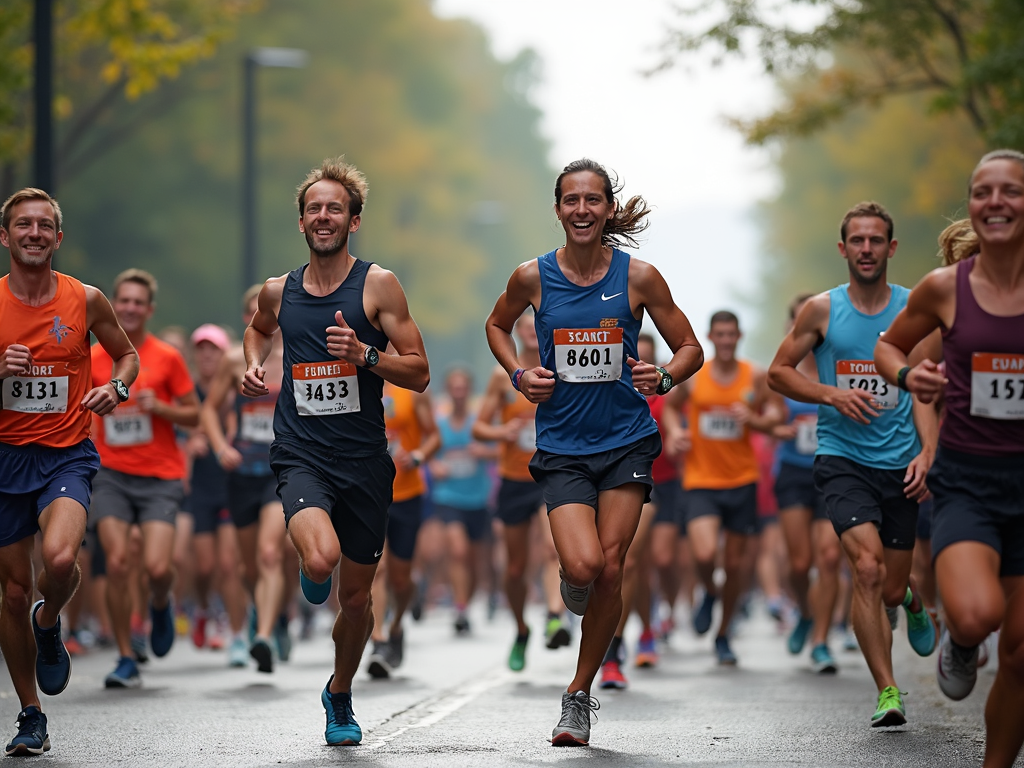
Soak it in—the crowd, the energy, the victory. 5K races are a blast, especially family fun runs where everyone’s cheering.

Discuss Here