Swimming offers families a unique blend of fun, fitness, and bonding. Yet, water safety is paramount, especially with children involved. This guide shares practical Swimming Safety Tips for Families, ensuring your aquatic adventures are both enjoyable and secure. Discover how to make swimming a safe, healthy, and unforgettable part of your family’s lifestyle.
As a parent, I’ve always cherished the joy on my children’s faces when they splash in the water. But with that joy comes responsibility. Water can be unpredictable, and even the most vigilant families can face unexpected challenges. According to the CDC, drowning is a leading cause of unintentional injury death among children aged 1-14. This statistic isn’t meant to scare but to emphasize the importance of proactive safety measures.
Swimming isn’t just about fun; it’s also one of the most effective cardio workouts for endurance. It engages the whole family in a low-impact activity that promotes heart health and overall fitness. By prioritizing safety, you can enjoy these benefits without worry.
Swimming isn’t just safe when done right—it’s also one of the best Family Fitness Activities for All Ages. It’s a full-body workout that improves cardiovascular health, builds muscle strength, and enhances flexibility. Plus, it’s a low-impact exercise, making it suitable for all ages and fitness levels.
Personal Insight: My family started a tradition of Sunday swims. It’s our way of combining fitness with quality time. The kids love racing each other, and I appreciate the workout without feeling like I’m at the gym.
1. Pool Drains
Powerful suction from pool drains can trap swimmers underwater. Ensure drain covers are intact and compliant with safety standards.
Prevention: Teach children to stay away from drains and never play near them.
2. Rip Currents
At the beach, rip currents can pull swimmers away from shore. They’re often narrow and fast-moving.
Prevention: If caught in a rip current, swim parallel to the shore until you’re out of the current, then swim back to land.
3. Shallow Water Blackout
This occurs when swimmers hyperventilate before holding their breath underwater, leading to unconsciousness.
Prevention: Discourage breath-holding contests and educate older children about the dangers.
4. Waterborne Illnesses
Pools and natural bodies of water can harbor bacteria and parasites.
Prevention: Shower before and after swimming, and avoid swallowing water. Check for water quality advisories at public swimming areas.
Recommended Readings
- Top Outdoor Family Adventures
- Family Fitness Activities for All Ages
- Effective Cardio Workouts for Endurance
- Cardio Workouts
Essential Swimming Safety Tips for Families
1. Always Supervise Children
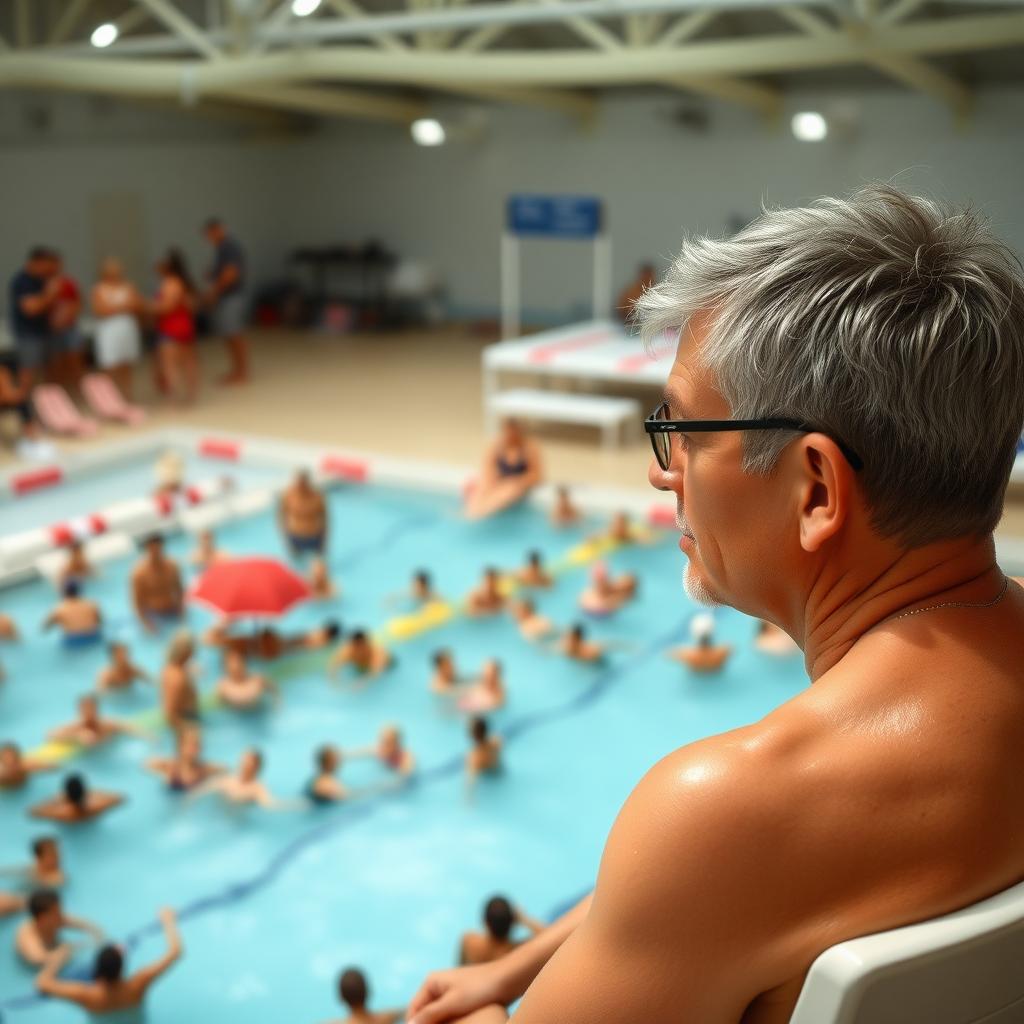
Never leave kids alone near water—not even for a second. Pick one adult to be the “water watcher.” Their only job is to keep an eye on the swimmers. No phones, no chats—just focus.
I learned this lesson the hard way. On a lake trip, I stepped away to grab a towel. In that instant, my youngest wandered toward the deep end. Luckily, someone else was watching. Now, I never take my eyes off them.
2. Teach Swimming Skills Early
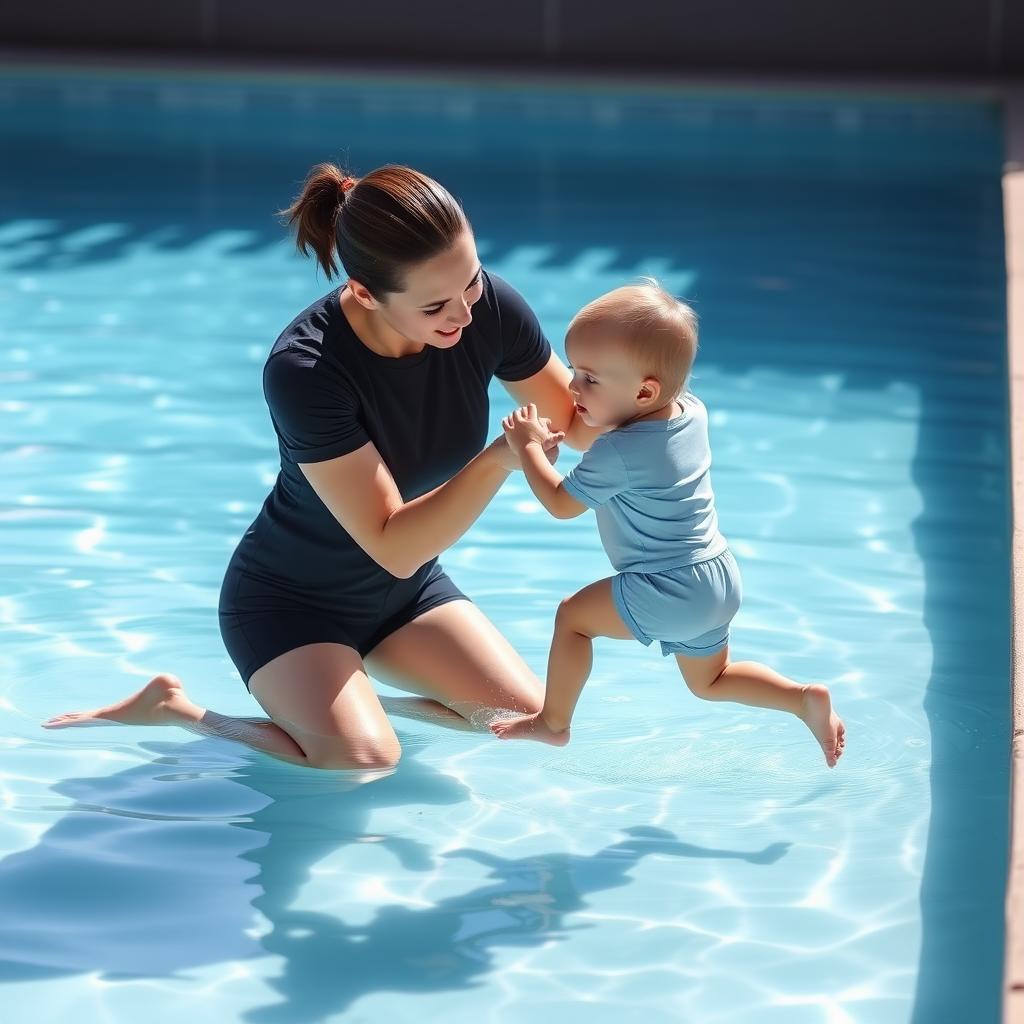
Get your kids into swimming lessons as soon as they’re ready. The American Academy of Pediatrics suggests starting at age 1. Swimming won’t make them invincible, but it cuts the drowning risk a lot.
Look for classes that teach more than strokes. Skills like floating, treading water, and getting in and out safely are key.
3. Use Proper Safety Gear
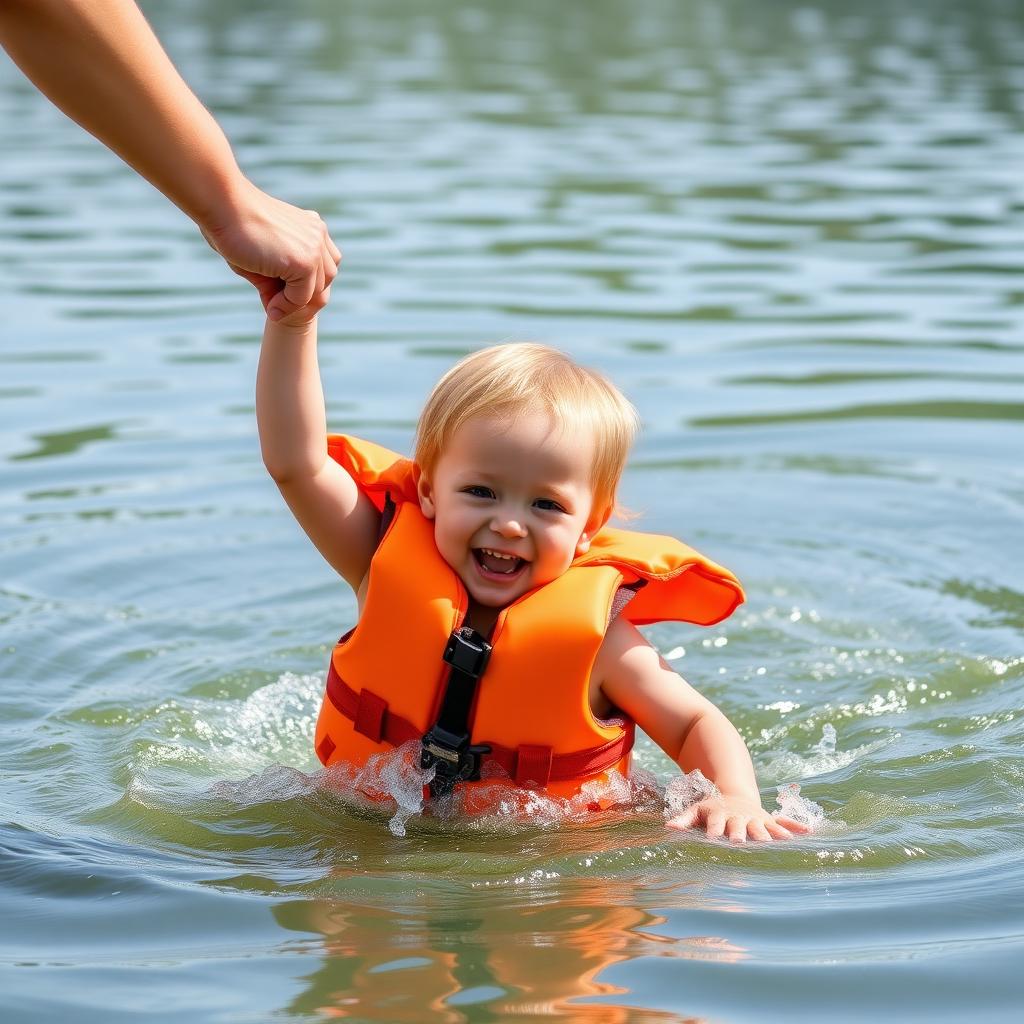
Life jackets are a must for kids and weak swimmers, especially in lakes or the ocean. Make sure they’re snug and U.S. Coast Guard-approved.
Here’s a quick guide:
| Age Group | Weight Range | Recommended Type |
|---|---|---|
| Infants | Under 30 lbs | Infant life jacket with head support |
| Toddlers | 30-50 lbs | Child life jacket with straps |
| Youth | 50-90 lbs | Youth life jacket |
| Adults | Over 90 lbs | Adult life jacket |
Don’t use pool toys or floaties instead—they’re not built for safety.
4. Understand Water Conditions
Check the water before anyone jumps in. Pools, beaches, and lakes all have risks like currents, hidden rocks, or sudden drops. At the beach, watch for lifeguard flags.
Once, we hit the beach and saw a red flag for rip currents. We switched to a pool instead. It wasn’t the same, but it kept us safe.
5. Set Clear Rules
Make rules everyone knows and follows. No running by the pool. No diving in shallow spots. Kids need to ask before going in.
Try these:
- Swim with a buddy.
- No pushing or rough play.
- Stay in marked areas.
- Listen to the adult in charge.
6. Learn CPR and First Aid
CPR can save a life. Take a class as a family—many places offer them. The American Red Cross has great options (check here).
7. Stay Hydrated and Sun-Safe
Swimming tires you out and the sun can zap you too. Take water breaks. Slap on waterproof sunscreen every two hours.
I always bring a cooler with water and snacks. It keeps us going strong.
Summary
Swimming is a great way for families to stay active and make memories. These Swimming Safety Tips for Families keep your water time fun and safe. Watch closely, teach skills, and be ready. With these steps, swimming becomes a healthy, exciting part of your family life.


Discuss Here