Chronic FPIES is a challenging condition that requires careful dietary management. This article provides comprehensive guidelines for identifying trigger foods, avoiding them, and ensuring proper nutrition. With insights from experts and real-life examples, you'll learn how to navigate the complexities of chronic FPIES and improve your quality of life.
Understanding Chronic FPIES
Food Protein-Induced Enterocolitis Syndrome (FPIES) is a non-IgE mediated food allergy primarily affecting the gastrointestinal system. Chronic FPIES, one of its subtypes, presents with ongoing symptoms like vomiting, diarrhea, and poor weight gain, typically triggered by the regular consumption of specific foods. Understanding this condition is crucial for effective management.
Identifying Trigger Foods
Identifying trigger foods is fundamental in managing chronic FPIES. Symptoms can often be vague and overlap with other gastrointestinal conditions, making accurate diagnosis tricky. Keeping a detailed food diary can be an invaluable tool for tracking symptoms and pinpointing potential triggers. Observing patterns, such as symptoms appearing after consuming a specific food, can guide discussions with healthcare professionals.
Oral food challenges—administration of the suspected trigger food under medical supervision—are often used to confirm the diagnosis and identify specific triggers. Consulting with an allergist or a gastroenterologist is essential to establish a clear diagnosis.
Avoiding Trigger Foods
Once trigger foods are identified, avoiding them becomes imperative. Here are some essential tips for effective avoidance: - Read Labels Carefully: Always read ingredient labels on packaged foods. Look for common allergens that might be present, even in unexpected places. - Avoid Cross-contamination: When preparing meals, ensure that utensils, cooking surfaces, and storage containers are free from allergens to prevent cross-contact. - Find Safe Alternatives: If cow’s milk is a trigger, consider dairy-free options such as almond or coconut milk. Research alternatives for other common trigger foods.
Ensuring Proper Nutrition
Managing a diet devoid of trigger foods poses unique challenges, particularly in ensuring that children receive proper nutrition for their growth and development. Here are some strategies for maintaining a balanced diet: - Consult a Dietitian: Working with a registered dietitian who specializes in food allergies can help you create a personalized meal plan that meets nutritional needs while avoiding trigger foods. - Include All Food Groups: Ensure the diet includes fruits, vegetables, proteins, and healthy fats. It’s crucial to find safe substitutes for any eliminated food groups to ensure nutritional adequacy. - Consider Supplements: If necessary, discuss the potential for vitamins or supplements to fill nutritional gaps.
Reintroducing Foods
The process of reintroducing foods must be undertaken with caution and under medical supervision. Tolerance to certain trigger foods can develop over time, making food challenges a potential option to consider. Periodically discussing with an allergist whether to attempt reintroducing specific foods is key.
Managing Reactions
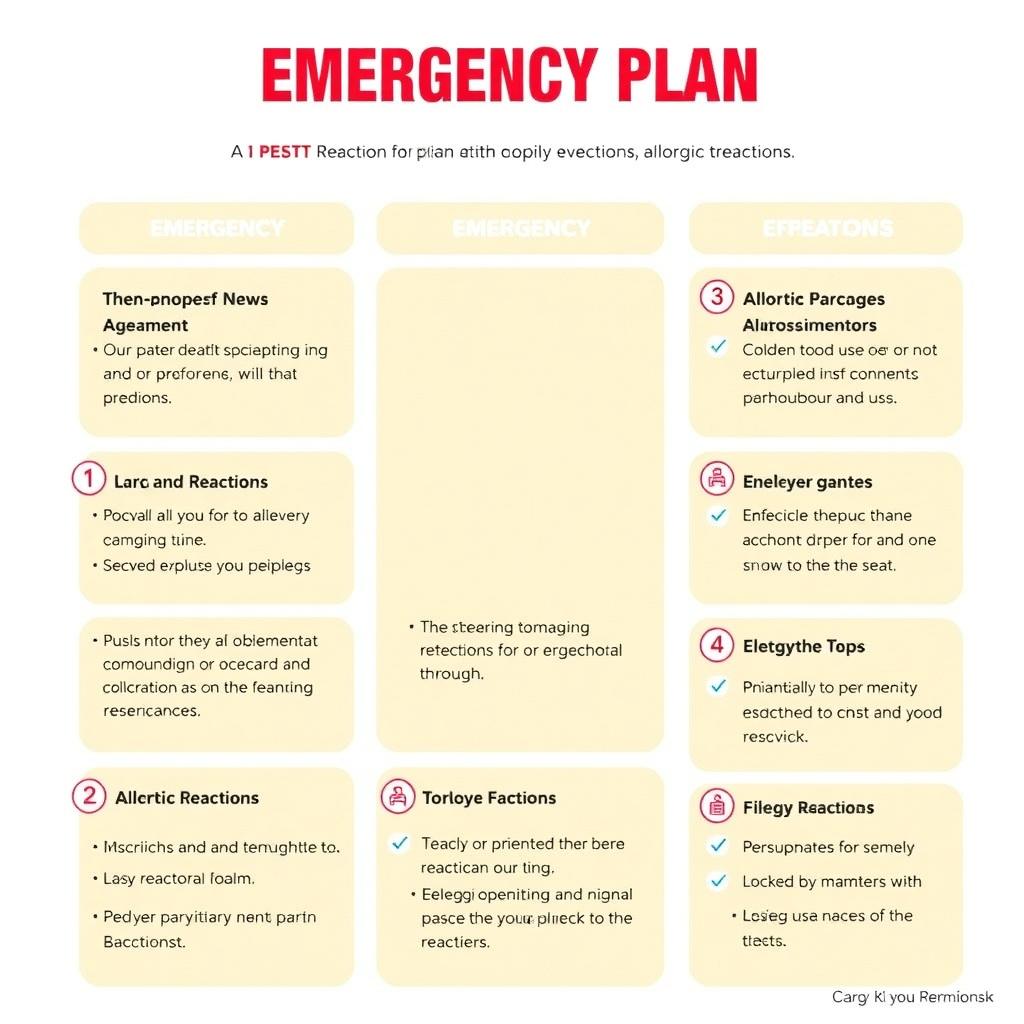
Despite careful management, reactions can still occur. Therefore, having an action plan in place is critical. Here are some steps to take: - Know the Signs: Recognize the symptoms of a reaction; these might include severe vomiting, lethargy, or diarrhea. - Seek Medical Attention: If severe symptoms arise, seek immediate medical assistance. - Have an Emergency Plan: Keep antihistamines or other medications on hand as recommended by your healthcare provider.
Personal Insights and Experiences
Many parents face challenges when navigating dietary management for their child with chronic FPIES. Common concerns include social situations involving food, such as birthday parties or family gatherings. Sharing stories and strategies with support groups can provide emotional support and practical solutions to these everyday dilemmas.
Conclusion
Successfully managing chronic FPIES requires a multifaceted approach centered on dietary guidelines. By identifying trigger foods, avoiding them diligently, ensuring balanced nutrition, and being prepared for potential reactions, individuals can improve their quality of life and well-being.





Discuss Here