Choosing the right running shoes is crucial for comfort, performance, and injury prevention. This guide will help you find the perfect pair to support your running journey.
Choosing the right running shoes is essential for a comfortable and injury-free running experience. By understanding your foot type, running style, and the terrain you run on, you can find the perfect pair. Remember to replace your shoes regularly and break them in gradually. With the right shoes, you'll be ready to enjoy all the benefits running has to offer.



Running is an amazing way to stay active, but it all hinges on your shoes. Picking the right pair isn’t just about looks—it’s about support, fit, and function. When I started running, I grabbed a flashy pair off the shelf without much thought. Within weeks, my shins ached, and my feet begged for mercy. That’s when I learned: the wrong shoes can derail your progress, while the right ones keep you going strong.
Good running shoes cushion your feet, support your arches, and match your stride. They reduce the risk of blisters, shin splints, and worse. Whether you’re jogging around the block or training for a race, your shoes are your foundation.
Not all running shoes are the same. Here’s a breakdown of the main types:
- Neutral Shoes: Great for runners with normal arches who don’t roll their feet inward too much (overpronation). They offer balanced cushioning.
- Stability Shoes: Perfect if you mildly overpronate. They add extra support to guide your foot.
- Motion Control Shoes: Built for severe overpronators, these provide maximum structure to limit excessive rolling.
- Trail Shoes: Designed for off-road runs, with rugged soles for grip on rocks and mud.
- Racing Flats: Lightweight and fast, these are for speedwork or races but skimp on cushioning.
I used to run trails in road shoes—big mistake. I slipped constantly until I switched to trail shoes with better traction. Knowing your needs helps narrow the options.

Where and how you run shapes your shoe choice. Here’s what to consider:
- Road Running: Pavement calls for cushioning to soften the impact.
- Trail Running: Rough paths need shoes with grip and protection.
- Racing: Speed sessions favor light, responsive flats.
I run mostly on roads, but I’ve dabbled in trails. My road shoes flopped on muddy slopes—trail shoes were a game-changer. Think about your usual routes and pick shoes that match.
Running shoes wear out, even if they look okay. Aim to replace them every 300-500 miles—less if you’re heavier or run hard surfaces. Watch for:
- Worn treads
- Flat cushioning
- Creases in the midsole
- New aches after runs
I ignored my worn-out pair once and paid with knee pain. Now, I track miles loosely and swap shoes when they feel off. It’s worth it to stay injury-free.
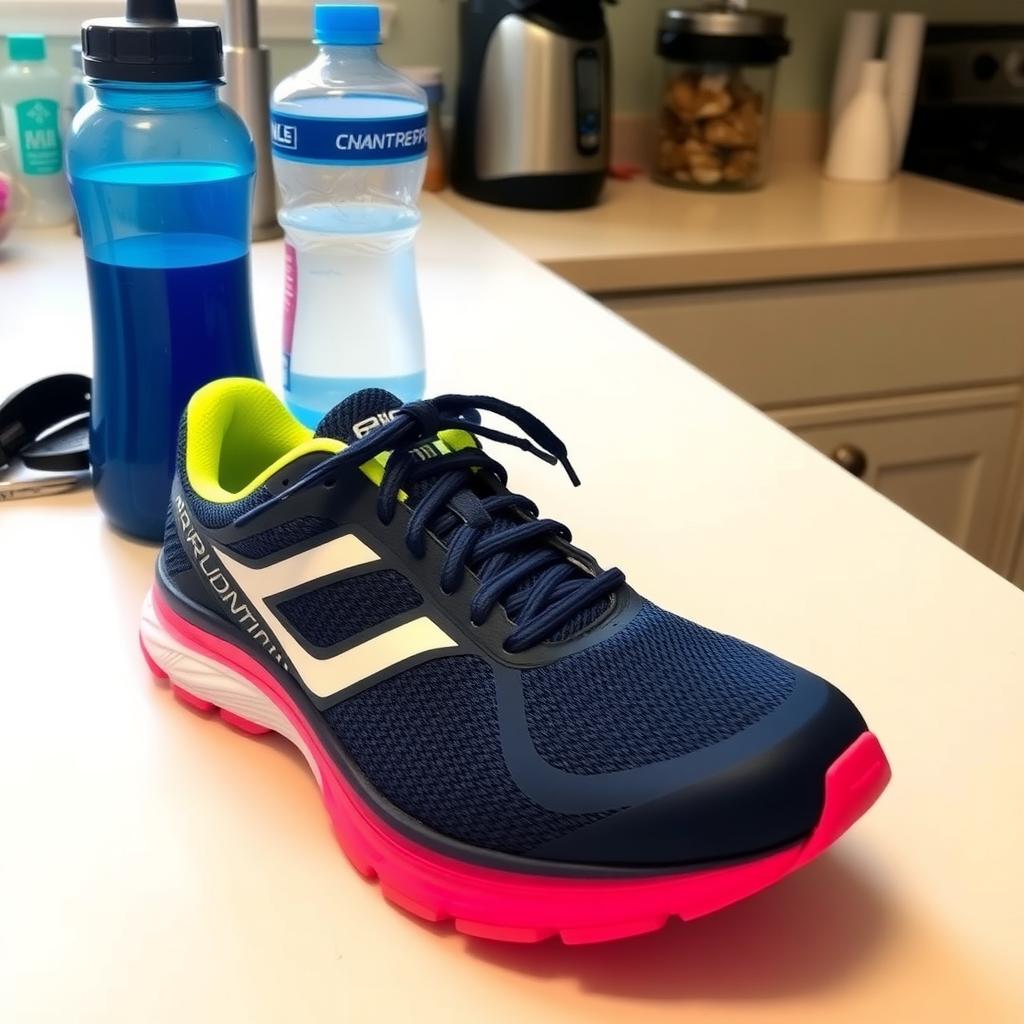
Running solo is great, but The Benefits of Joining a Local Running Group take it further. You’ll find friends who push you, share tips, and keep you on track. I joined one last year and love the encouragement—it’s how I stick to an Active Lifestyle despite a packed schedule. Groups make how to maintain an active lifestyle in busy schedules easier by blending fitness with fun.
Choosing the right running shoes means knowing your feet, style, and terrain. Get the fit right, replace them on time, and break them in slowly. With the perfect pair, you’ll enjoy running’s physical and mental perks—solo or with a group—while living an Active Lifestyle.
For more on foot type, check the American Podiatric Medical Association.
Mileage guidelines inspired by Runner’s World.

Discuss Here