Overview
Raising kids is a big job, but it’s easier with the right tools. Positive discipline, backed by the National Institute of Child Health and Human Development (NICHD), helps parents guide behavior while building a nurturing environment at home. This article shares tips to support family wellness and child growth.
What is Positive Discipline?
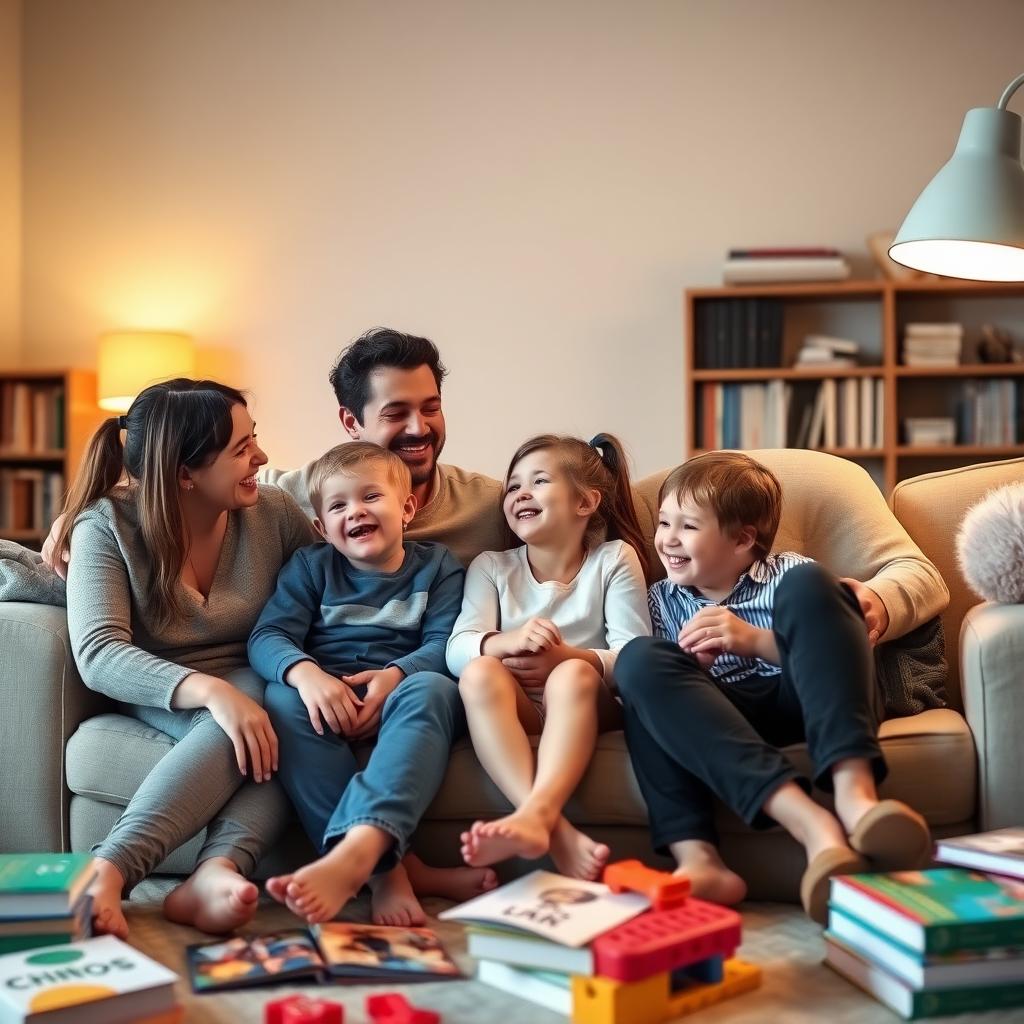
Positive discipline isn’t about yelling or punishing. It’s about teaching kids how to behave in a way that feels good for everyone. The NICHD says it’s all about clear rules, kind guidance, and praising kids when they do well. This builds confidence and teaches them how to make smart choices.
Why It Works for Kids
I’ve seen this firsthand with my own family. When my son was four, he’d throw tantrums over small things. Instead of timeouts, we started praising him when he calmed down on his own. Soon, he learned to handle his feelings better. The NICHD backs this up—kids thrive when they feel secure and understood.
Creating a Nurturing Environment at Home
A happy home doesn’t just happen—it takes effort. Here’s how to make it work:
- Stick to a Routine: Kids love knowing what’s next. Bedtime at 8 p.m. every night? They’ll feel safe.
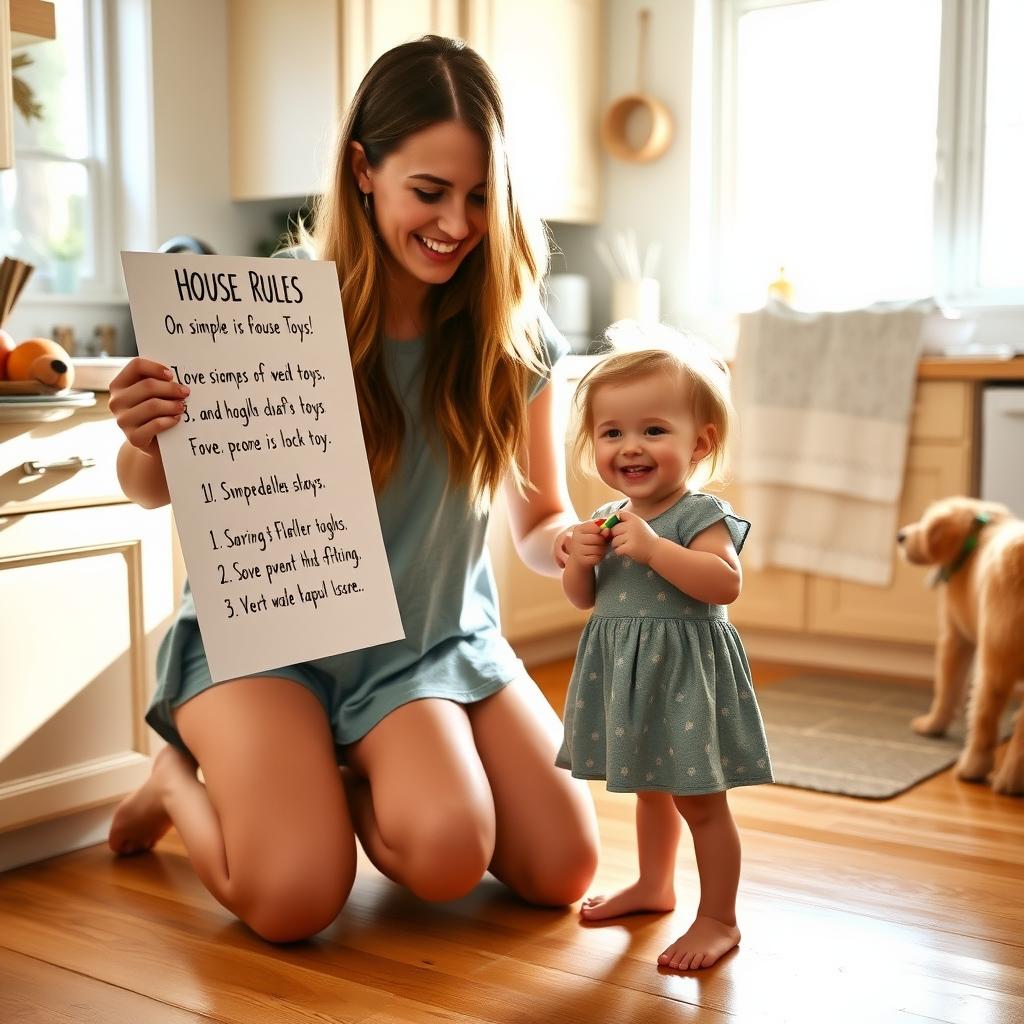
- Set Simple Rules: Keep them clear, like “We use kind words.”
- Listen Well: When my daughter shares her day, I put my phone down. It shows her she matters.
The Importance of Family Wellness in Child Development
Family wellness is the glue that holds everything together. When parents are stressed or fighting, kids feel it. But when we’re connected—eating dinner together or just talking—it builds a strong base for kids to grow. The NICHD says this stability shapes how kids think and act as they get older.
Top Positive Discipline Tips from NICHD
Ready to try it? Here are some practical ideas:
1. Praise the Good Stuff: Say, “I love how you helped your sister,” not just “You’re great.”
2. Keep Rules Fair: A five-year-old can’t sit still for an hour—don’t expect it.
3. Stay Steady: If screen time ends at 7 p.m., stick to it. Kids learn from consistency.
Real-Life Example
Last week, my nephew refused to clean up his toys. Instead of scolding, we made it a game—who could pick up faster? He laughed and got it done. That’s positive discipline in action: turning a fight into a win. Research from the NICHD shows this builds better behavior over time.
Why Science Loves It
The NICHD has studied this for years. Kids raised with positive discipline do better in school and get along with friends. They’re less likely to act out because they feel good about themselves. It’s not just nice—it’s proven to work.
Handling Tough Moments
Some days, it’s hard. My kids once argued over a game for an hour. I wanted to yell, but I took a deep breath and asked them to suggest a fix. They split the time and moved on. Staying calm and patient is key, even when it’s messy.

Parents Need Care Too
You can’t pour from an empty cup. I started walking every morning to clear my head, and it made me a better parent. When I’m calm, I handle tantrums better. Family wellness starts with us taking care of ourselves.
Quick Reference Table
| Tip | How to Do It | Why It Helps |
|-----------------------|--------------------------------------|------------------------------|
| Praise Specifics | “You tidied up so fast!” | Boosts confidence |
| Set Clear Rules | “No hitting, only hugs.” | Kids know what’s expected |
| Be Consistent | Same bedtime every night | Builds trust and routine |

Summary
Positive Discipline Tips from the National Institute of Child Health and Human Development offer a smart way to raise happy, healthy kids. By creating a nurturing environment at home and focusing on family wellness, we set kids up to succeed. It’s about love, consistency, and growing together.

Discuss Here