Overview
Parenting today can feel like a whirlwind. With packed schedules, endless screen time, and constant distractions, keeping calm often seems impossible. Mindful parenting offers a way to slow down, connect with your kids, and raise them to be resilient and peaceful, no matter the chaos around them.
What Does Mindful Parenting Mean?
Mindful parenting is about being present with your kids. It means noticing their emotions and your own, then responding with care instead of snapping or rushing. You don’t need to be a meditation expert—just a parent who listens and stays aware. It’s simple: when you’re calm and focused, your kids learn to be, too.
This approach isn’t about perfection. Some days, you’ll still lose your temper. But by staying mindful, you can build stronger bonds and help your kids handle life’s ups and downs.
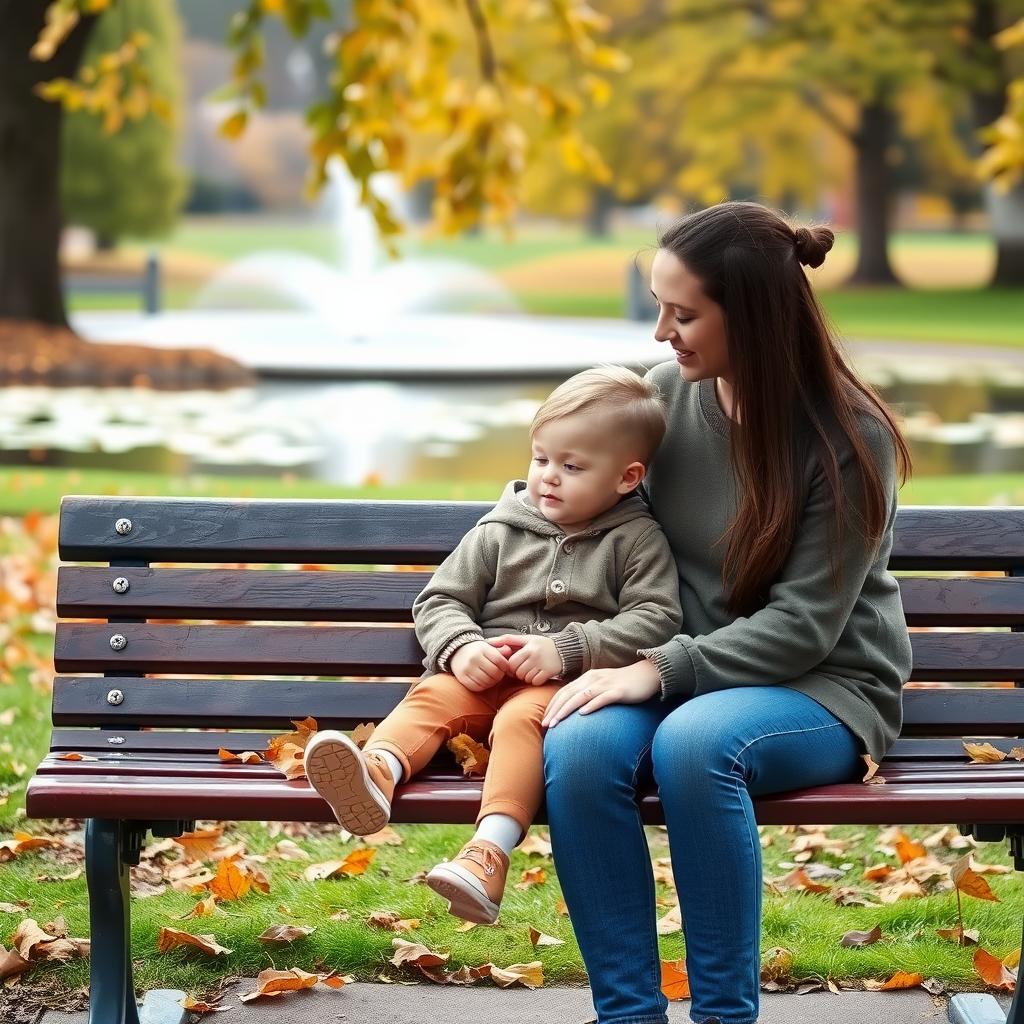
Why Mindful Parenting Matters Today
Life moves fast, and kids feel it, too. Studies show stress in children is rising—think school pressure, social media, and overstuffed routines. Mindful parenting cuts through that noise. It teaches kids how to pause, breathe, and process their feelings. And it helps you, the parent, feel less frazzled.
I’ve seen this firsthand. When my daughter was overwhelmed by homework, I used to push her to finish faster. Now, I sit with her, we take a breather, and we tackle it together. The difference? She’s calmer, and I’m not shouting.
Benefits of Mindful Parenting
Here’s what you gain when you practice mindful parenting:
- Calmer Kids: They mirror your steady reactions and learn to self-soothe.
- Better Connection: Listening without distractions builds trust.
- Less Chaos: A mindful approach lowers stress for everyone.
- Life Skills: Kids pick up resilience and emotional smarts.
A study from the American Psychological Association found that mindful parents report happier family lives and kids with fewer meltdowns. That’s real proof this works.

Daily Mindfulness: Small Habits, Big Wins
You don’t need hours to be mindful—just moments. Try these:
- Breathe First: Before you answer a whining kid, take three deep breaths. It shifts your mindset.
- Really Listen: Put your phone down when your child talks. Hear them out fully.
- Check In: Ask, “How are we feeling right now?” It’s a quick way to connect.
These tiny habits add up. They’ve saved me from many arguments with my son over screen time. Instead of barking orders, I ask him to pause and tell me about his game. We both win.
Mindful Parenting by Kristen Race - Raising Calm Kids
Kristen Race, a mindful parenting expert, talks about weaving mindfulness into everyday life. Her book Mindful Parenting suggests short “pause points.” For example, during a hectic morning, stop for 30 seconds. Breathe with your kids. Notice the moment. It’s simple but powerful.
I tried this when my kids were bickering over breakfast. We paused, took a few breaths together, and reset. No yelling needed—they calmed down, and we got out the door on time.

The Importance of Mindfulness in Daily Life
Mindfulness isn’t just for parenting—it’s a habit for life. When you practice it daily, your kids notice. Eat a meal together without rushing—taste the food, chat about the day. Or take a walk and point out the birds or the breeze. These moments teach kids to slow down and stay grounded.
My family started doing this on weekends. We’d walk to the park, no phones, just talking and looking around. My kids now ask for these walks—it’s become our thing.
Benefits of Tai Chi for Family Wellness
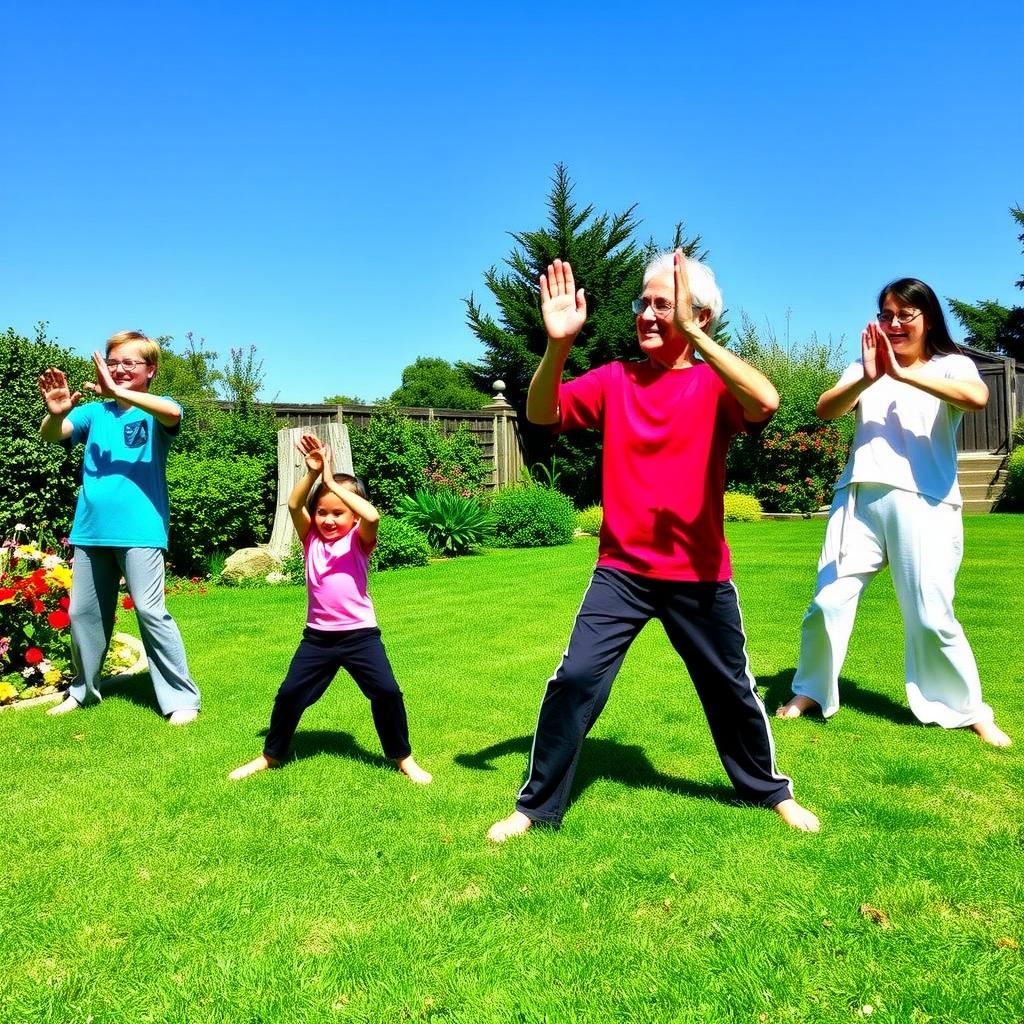
Tai Chi is a slow, flowing exercise that’s perfect for families. It boosts focus, reduces stress, and feels like moving meditation. You don’t need fancy gear—just space and a few minutes. Research from the Journal of Family Health shows Tai Chi lowers anxiety in both adults and kids.
We started doing it in our backyard. At first, my kids giggled through the moves, but now they love it. It’s a fun, quiet way to unwind together.
Real Stories: Mindful Parenting at Work
Here’s how it looks in action:
- Tantrum Turnaround: My youngest used to scream over small things—like a broken crayon. I’d get mad, too. Now, I sit with him, name his feeling (“You’re upset about the crayon”), and we breathe. He calms down faster, and I stay sane.
- Nighttime Peace: Bedtime was a fight until we added mindfulness. We do a quick story and a “what went well today” chat. My daughter falls asleep smiling now.
- Discipline with Care: When my son left his bike in the rain, I didn’t ground him. We talked about why it mattered and dried it off together. He learned without tears.
Overcoming the Hard Parts
Mindful parenting takes effort. Here’s how to handle the bumps:
| Challenge | Solution |
|---|---|
| No Time | Start with one minute a day—build from there. |
| Losing Patience | Forgive yourself; try again next time. |
| Too Many Screens | Set phone-free zones, like dinner or bedtime. |
I struggled with patience at first. When my kids wouldn’t listen, I’d snap. But I kept at it—pausing, breathing—and it got easier. You can do this, too.

Summary
Mindful parenting helps you raise calm kids in a chaotic world. It’s about being there—really there—for your children, teaching them peace through your actions. With small steps like listening, breathing, or even trying Tai Chi, you can cut stress and build a happier home. It’s not always easy, but it’s worth it for the calm and connection you’ll find.

Discuss Here