Behavioral Activation offers a simple yet powerful way to help clients break free from depression's grip. These worksheets guide therapists in behavioral therapy to schedule rewarding activities that spark joy and momentum. In just a few sessions, clients often report feeling more connected to life—and to their families.
What Is Behavioral Activation?
Imagine a client stuck in a rut, avoiding the world because low mood keeps them glued to the couch. That's where Behavioral Activation (BA) steps in. It's a core part of behavioral therapy that flips the script: instead of waiting for motivation to strike, you build it through action.
As a therapist with over a decade in the field, I've seen BA transform sessions. Clients don't just talk about change—they live it. And when we weave in family therapy elements, it ripples out to boost family wellness.
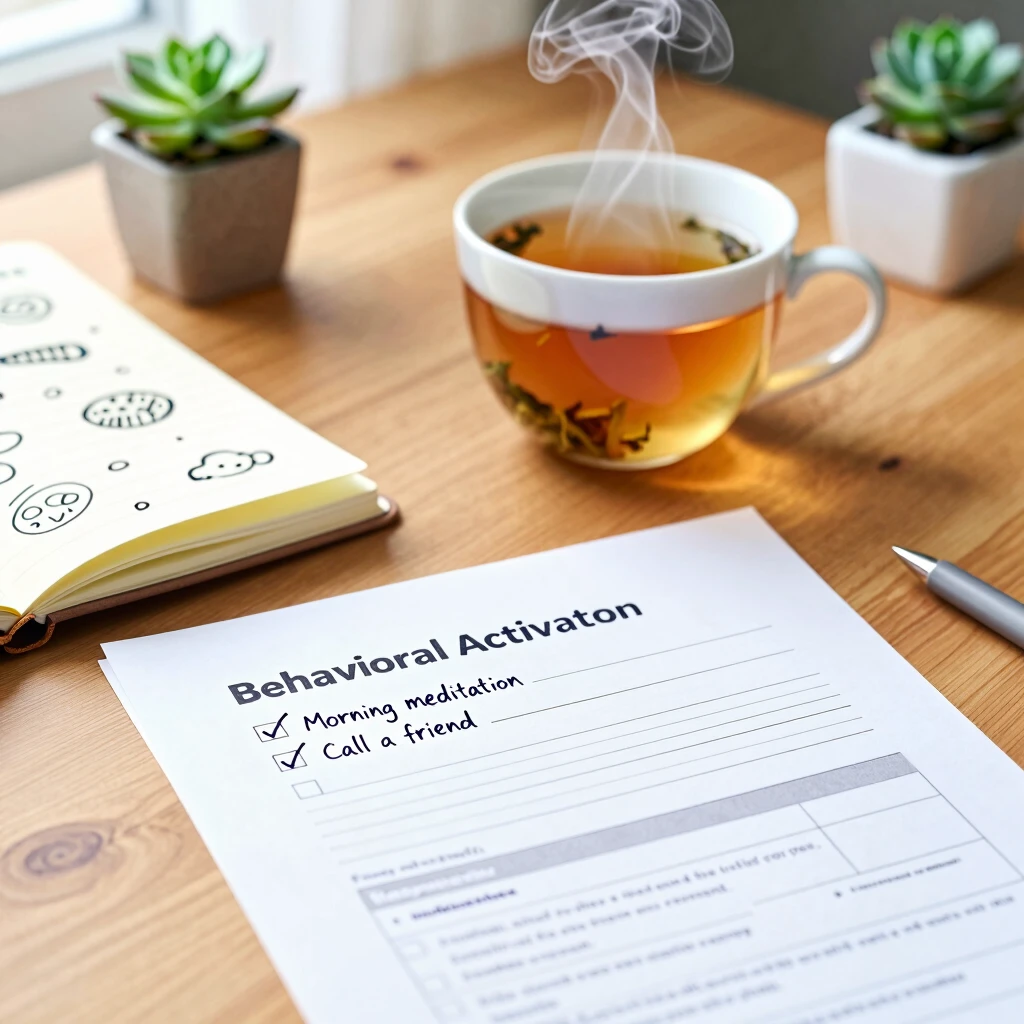
BA rests on a straightforward idea: our actions shape our emotions. Do more of what lights you up, and your mood follows. Therapists use behavioral activation worksheets for therapists to map this out. These tools aren't fancy—they're practical blueprints for daily wins.

Why Use Worksheets in Behavioral Therapy?
Worksheets keep things concrete. In my practice, I've noticed clients grasp concepts faster when they see their schedule laid out. No vague promises—just checkboxes waiting for a tick.
These tools shine in behavioral therapy because they target avoidance head-on. Depression thrives on isolation; BA counters it with structure. Plus, they're adaptable for family therapy, where everyone pitches in for shared family wellness.
Consider a mom overwhelmed by parenting stress. A simple activity log helps her spot small joys, like a park walk with her kids. Over time, this builds habits that strengthen family bonds. It's not magic—it's methodical.
Research backs this up. Studies from the University of Michigan show BA reduces depressive symptoms by 50% in many cases. Worksheets make it easy to track progress and adjust.
Essential Behavioral Activation Worksheets for Therapists
Let's dive into the must-haves. I've curated these based on what works in real sessions. Start with basics, then layer in family-focused ones.
1. Daily Activity Schedule
This is your entry point. It breaks the day into slots: morning, afternoon, evening. Clients rate each activity on pleasure and mastery—how fun and how accomplished it feels.
How to Use It: - Guide the client to fill three slots per day. - Prioritize low-effort wins, like a five-minute stretch. - Review weekly to celebrate streaks.
In one case, a father used this to reconnect with his teen. They scheduled game nights together. Simple? Yes. Impactful? Absolutely—for family wellness.
Download a free version from Therapist Aid.
2. Values and Activities Clarification
Here, clients list core values—like connection or creativity—then match activities to them. It's eye-opening. Many realize they've sidelined what matters most.
| Value | Matched Activity | Pleasure Rating (1-10) | Planned Frequency |
|---|---|---|---|
| Family Time | Weekly picnic | 8 | Once a week |
| Self-Care | Yoga class | 7 | Twice a week |
| Adventure | Hiking trail | 9 | Monthly |
This table format keeps it visual and actionable. I've had couples in family therapy use it to align on shared values, turning potential conflicts into collaborative plans.

3. Problem-Solving Barriers Worksheet
Life throws curveballs. This sheet helps clients brainstorm obstacles to their plans and solutions. Columns for 'Barrier,' 'Impact,' and 'Action Step' make it straightforward.
For example: - Barrier: 'Too tired after work.' - Impact: Skips evening walk. - Action Step: Prep sneakers by the door; start with 10 minutes.
In behavioral therapy, this builds resilience. Extend it to family therapy by involving loved ones in solutions—suddenly, everyone's cheering each other on.
From PositivePsychology.com, you'll find 15 variations tailored for anxiety too.
Integrating BA into Family Therapy for Wellness
Family therapy thrives on collective effort. Behavioral activation worksheets for therapists can bridge individual work to group dynamics. Picture a session where the whole family maps a 'wellness week'—shared meals, game nights, quiet reading times.
This approach fosters family wellness by reducing isolation. One family I worked with battled collective burnout. We started with individual sheets, then merged them into a family calendar. Laughter returned; arguments faded.
Key Tip: Use inclusive language. Ask, 'What activity would light up our home?' It shifts focus from 'me' to 'we.'
Family BA Checklist: 1. Gather everyone—make it fun, not forced. 2. Brainstorm activities that suit all ages. 3. Assign roles: Who leads the walk? Who picks the movie? 4. Track wins together at week's end. 5. Adjust based on feedback.
Evidence from a ScienceDirect study highlights BA's role in caregiver connectedness, proving its family fit.
Real Insights from the Therapy Room
Early in my career, I doubted worksheets—they felt too rigid. Then came Sarah, a single parent drowning in despair. Her kids mirrored her withdrawal. We started with a basic BA sheet: one activity daily.
Week one: A library trip. She checked it off, teary-eyed. 'I forgot how stories bind us.' By month two, family dinners were ritual. BA didn't erase pain, but it carved space for joy. That's the authenticity I chase now.
Another time, in group family therapy, a teen resisted. 'This is lame.' We co-created a sheet with his slang—'Epic Quest Log.' He owned it. Engagement soared.
These moments remind me: Tools adapt to people, not vice versa. Listen first, prescribe second.
Actionable Tips for Therapists
Ready to roll these out? Here's my playbook:
- Customize Always: Tailor to culture and life stage. A retiree's sheet differs from a student's.
- Pair with Check-Ins: End sessions rating the week's mood shift.
- Digital Twist: Apps like Daylio complement paper for tech-savvy clients.
- Avoid Overload: Start small—three activities max.
- Measure Mood: Use a 1-10 scale pre- and post-activity.
In family settings, add a 'Gratitude Corner' to sheets. Note one family highlight daily. It amplifies wellness.
Pro Tip: Laminate for reuse. Clients love the eco-touch and portability.
Common Pitfalls and How to Dodge Them
I've tripped here: Pushing too hard leads to burnout. Solution? Celebrate partials—half a walk counts.
Another: Ignoring resistance. Probe gently: 'What's holding you back?' Often, it's fear of failure. Reframe as experiments.
For families, watch power dynamics. Ensure quieter voices get heard. Equity builds trust.
Draw from Choosing Therapy's free worksheet to sidestep reinventing the wheel.
Wrapping It Up: Activate Change Today
Behavioral activation worksheets for therapists aren't just paper—they're bridges to brighter days. In behavioral therapy and family therapy, they empower clients to reclaim agency, fostering deep family wellness.
Start small, stay curious. Your clients' stories will inspire you, just as mine do me. What's one activity you'll schedule for your next session?

Discuss Here