A Quick Overview
Building strong family bonds takes effort, but the rewards are endless. This guide shares simple steps, drawn from real-life moments and expert advice like Applied Behavior Analysis strategies for parents. In about 1,500 words, you'll find actionable tips to create lasting connections. Let's dive in.
Why Family Bonds Matter More Than Ever
In our busy world, families often feel pulled apart by screens, schedules, and stress. Yet, those deep ties keep us grounded. I remember my own childhood—dinner tables buzzing with laughter, even on tough days. Those moments built trust that carries me today.
Strong bonds boost happiness and health. Studies from the American Psychological Association show families with solid connections handle challenges better. They sleep sounder, laugh more, and support each other through thick and thin.
But how do you nurture them? Start with intention. Set aside time each day—no distractions. Ask open questions like, "What made you smile today?" Listen without interrupting. These small acts weave a safety net of love.

Everyday Habits That Forge Lasting Ties
You don't need grand gestures. Consistent habits do the trick. Begin with shared routines. Mornings might mean a group walk to school, chatting about dreams. Evenings? A no-phone zone for board games or storytime.
One habit that changed my family's dynamic: gratitude rounds. Before bed, each person shares one thing they appreciate about another. It shifts focus from flaws to strengths, fostering empathy.
Here's a quick list of habits to try:
- Morning check-ins: Five minutes of hugs and "I love yous."
- Weekly family meetings: Discuss wins, worries, and fun plans.
- Shared chores with music: Turn cleaning into a dance party.
- Tech-free dinners: Reconnect face-to-face.
- Adventure outings: Picnics or park visits to spark joy.
These build rituals that say, "You matter to me."
The Power of Applied Behavior Analysis Strategies for Parents
Ever heard of Applied Behavior Analysis? It's a science-backed approach from behavioral therapy that helps shape positive actions. Parents can use it at home without feeling like therapists.
Applied Behavior Analysis focuses on understanding what drives behavior. For families, it means rewarding good moments to encourage more. Say your teen snaps during homework—don't yell. Instead, praise calm efforts later: "I noticed how patient you were today. That made our evening smoother."
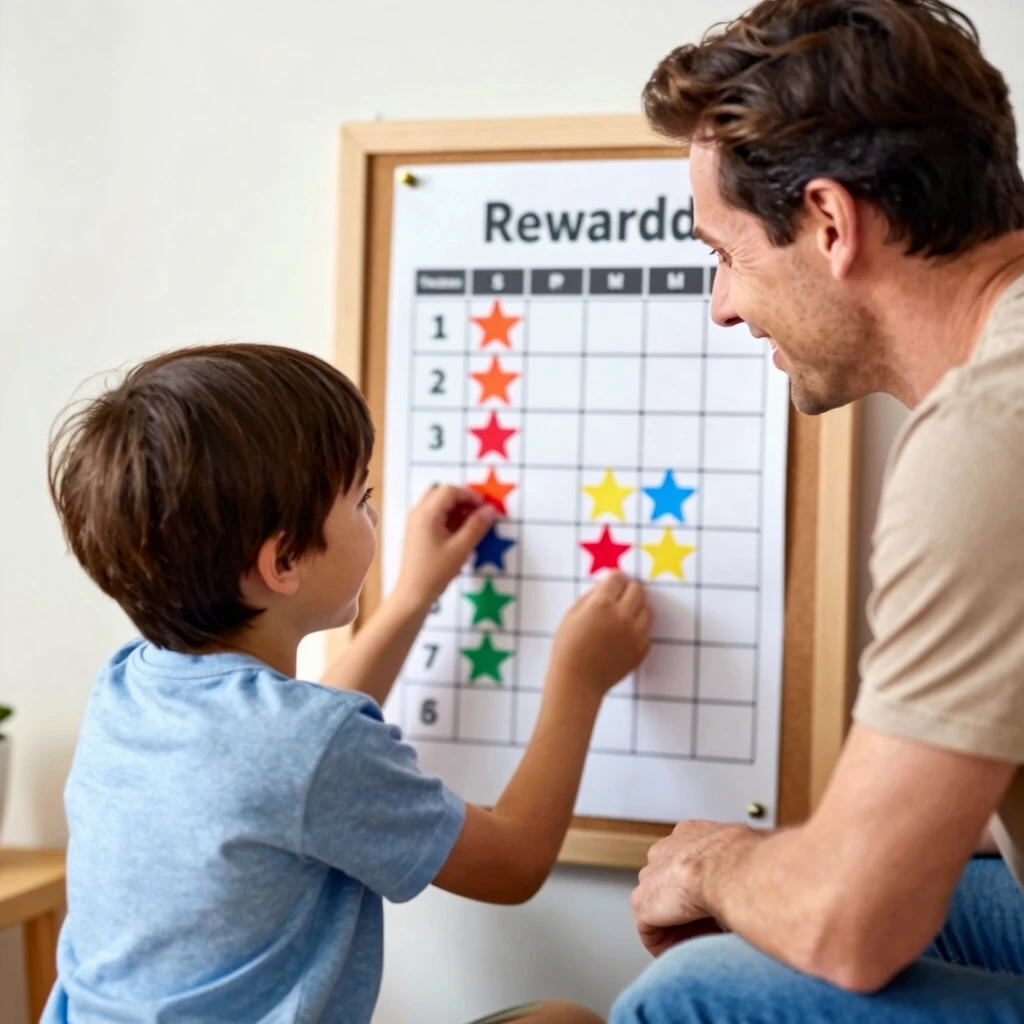
From my experience coaching parents, this flips frustration into progress. One mom shared how tracking small wins with a family chart turned sibling squabbles into team efforts. Kids earned stars for kind words, leading to movie nights.
Key Applied Behavior Analysis strategies for parents include:
| Strategy | How to Apply It | Expected Benefit |
|---|---|---|
| Positive Reinforcement | Praise specific good behaviors right away. | Increases repeat actions, builds confidence. |
| Modeling | Show the behavior you want to see. | Kids mimic positive examples naturally. |
| Natural Consequences | Let outcomes teach lessons gently. | Promotes responsibility without lectures. |
| Token Systems | Use points or stickers for rewards. | Motivates long-term change through fun. |
Start small. Pick one strategy this week. Track changes in a journal. You'll see bonds strengthen as trust grows.
Navigating Conflicts with Compassion
No family skips arguments. They happen. The key? Handle them with care. Behavioral therapy teaches us conflicts are chances to connect, not divide.
I once mediated a blowup between my siblings over shared space. We paused, breathed, and each stated feelings without blame: "I feel overwhelmed when..." It diffused tension fast.
In family therapy, professionals guide this process. But you can too. Use "I" statements. Schedule calm talks, not heat-of-the-moment battles. Follow up with hugs and apologies.
For tougher issues, consider family therapy. It's like a tune-up for relationships. Sessions unpack patterns, using tools from Applied Behavior Analysis to rebuild habits. A study in the Journal of Family Psychology notes families in therapy report 70% better communication after six months.
Action step: Create a "cool-down kit." Fill a box with stress balls, drawing paper, or playlists. When tempers flare, grab it together. Laughter returns quicker than you think.
Fostering Emotional Intelligence in Your Home
Strong bonds thrive on emotional smarts. Teach kids—and yourself—to name feelings. "I'm frustrated because..." opens doors to understanding.
Draw from behavioral therapy: Role-play scenarios. Act out a bad day at school, then brainstorm fixes. It builds resilience and empathy.
Personally, reading emotion books as a family ritual sparked deep talks. Titles like The Color Monster led to shares about our "colors" that day. Bonds deepened as vulnerabilities surfaced.
Incorporate these practices:
- Emotion journals: Weekly entries on feelings and triggers.
- Empathy games: Guess each other's moods from faces.
- Mindful moments: Guided breathing apps for all ages.
- Celebrate vulnerability: High-fives for honest shares.
Over time, your home becomes a haven where hearts align.

Blending Technology with Real Connection
Screens aren't villains, but balance matters. Set family media rules: One hour of shared streaming, then device-free play.
Applied Behavior Analysis strategies for parents shine here. Reward offline time with extras like ice cream runs. My family tried "tech timers"—apps that chime for breaks. It curbed endless scrolling, freeing time for talks.
Pro tip: Co-create content. Film silly skits together. It turns tech into a bond-builder.
Link to more: Check the American Academy of Pediatrics guidelines for screen smarts.
Long-Term Strategies for Enduring Bonds
Think ahead. Plant seeds now for future harvests. Involve kids in decisions—family vacations or holiday traditions. Ownership breeds commitment.
Family therapy often uncovers hidden strengths. One session revealed my dad's quiet pride in our achievements. Sharing that mended old gaps.
Build a legacy wall: Photos and notes of milestones. Glance at it during doubts. It reminds you of the journey.
Sustain with self-care. Parents, recharge solo. Happy you means present you.
External resource: Explore Positive Psychology's family tips for evidence-based boosts.
Wrapping It Up: Your Path to Stronger Bonds
Building strong family bonds is a daily dance—messy, joyful, rewarding. From Applied Behavior Analysis strategies for parents to heartfelt habits, you've got tools to start today. Pick one tip, act on it, and watch connections bloom. Your family deserves this closeness. What's your first step?

Discuss Here