A Quick Overview of Mindful Parenting
Parenting in today's fast world often feels like juggling endless tasks. Mindful Parenting: Tips for Staying Present offers a gentle way to pause and connect deeply with your children. This approach boosts family wellness by fostering calm moments amid chaos. In about 1500 words, we'll dive into benefits, actionable tips, and real-life insights to help you thrive.

What Does Mindful Parenting Really Mean?
Imagine tuning into your child's laughter without your phone buzzing in the background. That's the heart of mindful parenting. It means showing up fully in the now, noticing your thoughts and feelings without judgment.
You don't need hours of silence or fancy retreats. Start with small shifts. Notice the warmth of a hug or the spark in your kid's eyes during storytime. This practice draws from mindfulness meditation guides for family wellbeing, making everyday moments richer.
As a parent who's tried this amid diaper changes and homework battles, I can say it changes everything. It turns rushed routines into chances for real bonds. Studies back this up too. For instance, research from the University of Washington shows mindful parents handle emotions better, leading to happier kids with stronger social skills.
Why Bother with Mindful Parenting? The Real Benefits
Life as a parent throws curveballs—tantrums, late nights, endless to-dos. Mindful parenting helps you catch them with grace. It lowers stress for you and your family, building a foundation for lasting family wellness.
Here's a quick look at key perks:
| Benefit | How It Helps Your Family |
|---|---|
| Reduced Stress | Parents report less overwhelm, creating calmer home vibes. |
| Stronger Bonds | Kids feel seen, boosting trust and open talks. |
| Better Behavior | Children show fewer outbursts, thanks to modeled calm. |
| Emotional Smarts | Everyone learns to name feelings, easing conflicts. |
One study from the Greater Good Science Center at UC Berkeley used brain scans to prove it. After mindfulness training, parents' brains lit up with more empathy toward their preteens. Stress dropped, and relationships warmed up. Another review in PubMed Central highlights how it cuts mental health risks passed down generations.
From my own days chasing toddlers, I saw my patience grow. Mornings that once sparked yelling turned into shared breaths before breakfast. Your family gains too—kids mirror your steady presence, picking up tools for their own calm.
Tip 1: Start Your Day with a Tiny Pause
Rush hits before coffee's done. Combat it with a one-minute anchor. Sit with your mug, feel its warmth, and breathe three slow counts in and out. Invite kids to join—make it a game.
This sets a tone of presence. Over time, it ripples into family wellness. I began this habit during a hectic move. Those breaths grounded me, turning packing marathons into team adventures with my little ones.
Pro Tip: Use a fun timer app or chime. No perfection needed—just show up.
Tip 2: Listen Like It's the Only Sound
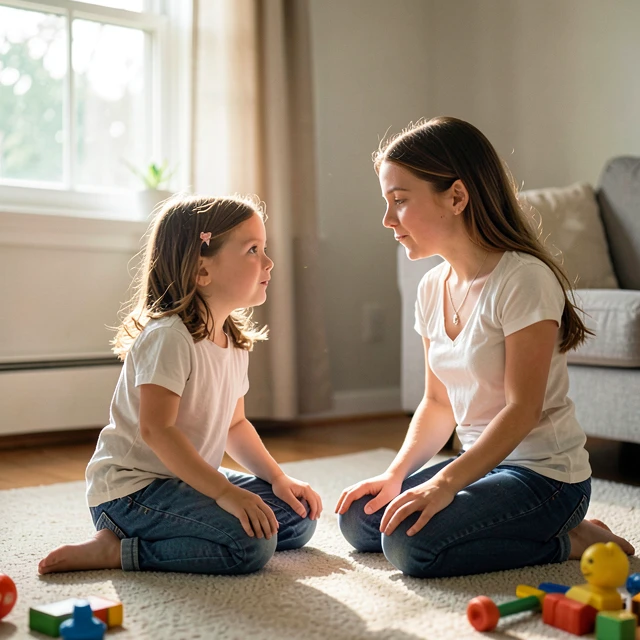
Distractions pull us away—emails, worries, what-ifs. Practice active listening. Put down your phone during playtime. Echo back what you hear: "Sounds like that tower fell and it made you sad."
Kids light up when truly heard. It builds bridges over generation gaps. Drawing from mindfulness meditation guides for family wellbeing, this tip turns chit-chat into heart-to-hearts.
In my experience, bedtime stories became magic. Instead of glancing at clocks, I dove into their worlds. Questions flowed, giggles multiplied, and sleep came easier for all.
- Eye Contact Rule: Lock gazes for 10 seconds during talks.
- No Interruptions: Let stories unfold fully.
- Follow Their Lead: Mirror energy, whether silly or serious.
Tip 3: Embrace the Mess with Kind Eyes
Spills happen. So do meltdowns. Mindful parenting invites non-judgment. When frustration bubbles, pause. Label it softly: "I'm feeling tense right now."
This models emotional smarts for kids. They learn it's okay to feel big things. Research ties this to fewer anxiety spikes in families.
Once, my son dumped paint everywhere. Old me would've snapped. New me breathed, grabbed a rag, and we laughed through cleanup. That shift? Pure gold for our bond.
Tip 4: Weave in Family Breath Breaks
Breathing bridges calm. Try "balloon breaths"—inhale to fill your belly like a balloon, exhale to let it shrink. Do it together before meals or meltdowns.
It's a quick win from mindfulness meditation guides for family wellbeing. Kids under 10 adore the whimsy; teens might roll eyes but secretly appreciate the reset.
We made it our car ritual during traffic jams. Tunes off, breaths on—road rage vanished, replaced by silly songs.

Tip 5: Savor Sensory Walks Together
Step outside. Notice leaves crunching, wind whispering, bird calls. Point them out: "Feel that breeze on your skin?"
These walks anchor you in now, ditching tomorrow's worries. They spark wonder, key to family wellness.
Our neighborhood strolls turned mundane. My daughter spotted shapes in clouds; I rediscovered joy in puddles. Simple, yet profound.
Checklist for Success: 1. Pick a short route—no marathon needed. 2. Silence devices. 3. Share one "wow" each. 4. End with gratitude hugs.
Tip 6: Nightly Wins Reflection
Before lights out, share three "presence points." What made you smile today? A shared joke? A quiet cuddle?
This winds down worries, highlights joys. It cements mindful habits.
In our home, it eases bedtime battles. Kids beam recounting moments; I cherish hearing their views. It's our wellness whisper.
Tip 7: Forgive Your Slips Gracefully
You zone out? Yell too loud? Apologize and reset. Mindful parenting isn't flawless—it's flexible.
Self-compassion fuels consistency. Kids learn resilience from your recovery.
I forgot a school event once. Heart sank, but I owned it. We rescheduled fun, stronger for the stumble.
Tackling Common Hurdles in Staying Present
Time crunches test resolve. Partner buy-in lags? Start solo—your calm inspires.
Teens tune out? Frame it as stress-busters, not "hippie stuff."
Exhaustion hits hard? Micro-practices count: one breath, one notice.
From trials, I learned: consistency trumps intensity. Small seeds grow big peace.
If overwhelm peaks, lean on resources. The University of Washington's mindfulness program offers free tools tailored for busy parents.
Wrapping It Up: Your Path to Present Parenting
Mindful Parenting: Tips for Staying Present isn't a chore—it's a gift. By weaving these practices, you nurture family wellness, one breath at a time. You'll notice lighter hearts, deeper laughs, fewer frayed nerves.
Remember, progress blooms in pauses. Start small today. Your family thanks you already.

Discuss Here