Overview
Meal planning for special diets can feel overwhelming, especially with conditions like chronic food allergies or FPIES. But with simple tips and tricks, you can create balanced, tasty meals that keep everyone safe and nourished. This guide shares actionable advice drawn from real experiences to simplify your routine.
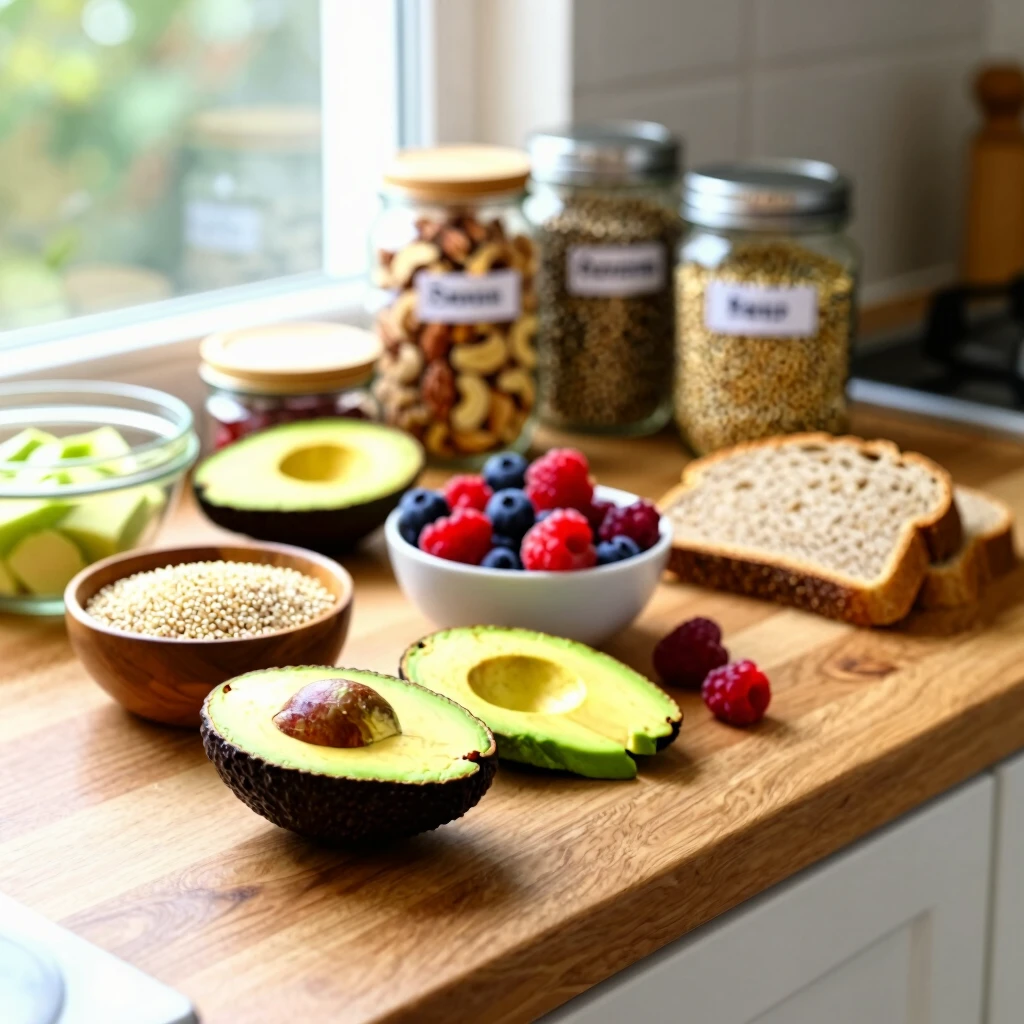
Why Meal Planning Matters for Special Diets
Imagine staring at an empty fridge after a long day, wondering what to cook without triggering a reaction. That's the daily reality for many families dealing with special diets. Meal planning turns chaos into calm. It saves time, cuts stress, and ensures your loved ones get the nutrients they need.
I remember helping a friend whose toddler had multiple allergies. Without a plan, dinners became guesswork. Once we mapped out a week's worth of meals, she felt in control. You can do the same. Start small—pick one day to plan ahead.
Special diets often stem from needs like gluten-free, vegan, or low-FODMAP eating. But for chronic food allergy sufferers, the stakes are higher. These allergies don't fade; they demand constant vigilance. Meal planning becomes your shield, helping you avoid hidden triggers while building flavorful alternatives.
Understanding Chronic Food Allergies and FPIES
Chronic food allergies affect millions, causing everything from hives to life-threatening reactions. Unlike seasonal allergies, these stick around, shaping every bite. One tough type is Chronic Food Allergy, where symptoms linger and disrupt life.
Then there's Chronic FPIES—Food Protein-Induced Enterocolitis Syndrome. It's a delayed reaction, hitting hours after eating certain proteins like in milk or soy. Kids vomit, get dehydrated, and feel awful. No itchy rash, just gut-wrenching pain. As a parent or caregiver, spotting it early changes everything.
From my chats with families, Chronic FPIES feels isolating. One mom shared how her son's episodes landed them in the ER twice a month. But knowledge empowers. Learn your child's triggers through allergy testing. Sites like the Food Allergy Research & Education (FARE) offer solid info—check them out for free resources.

The Role of Diet in Managing FPIES
Diet isn't just food—it's medicine for FPIES. Strict avoidance of triggers prevents reactions. But it's more than saying 'no' to dairy. You must replace nutrients to support growth. Kids with FPIES need calcium from greens or fortified options if milk's out.
Experts stress balanced plates. The International FPIES Association recommends working with a dietitian. In one case I heard, a family swapped rice for oats carefully, under doctor guidance. It worked—no setbacks, just steady progress.
Focus on whole foods: veggies, fruits, lean proteins, and grains that tolerate well. Hydration matters too, especially post-reaction. Sippy cups of electrolyte drinks can be lifesavers. Track everything in a journal. Note reactions, wins, and tweaks. This builds your family's playbook.
Best Diets for Chronic Food Allergy Sufferers
No single 'best' diet fits all, but patterns emerge for success. Elimination diets top the list—remove suspects, then reintroduce slowly. For FPIES, start with hypoallergenic formulas if breastfeeding isn't enough.
Consider these approaches:
- Elemental Diets: Broken-down proteins for severe cases. They heal guts but taste bland—blend with safe fruits for appeal.
- Six-Food Elimination: Cuts milk, soy, eggs, wheat, nuts, fish. Great starter for broad allergies.
- Personalized Plans: Tailor to tests. One family I know thrived on quinoa bowls after ditching wheat.
Always prioritize nutrition. Chronic restrictions risk gaps—like low iron without red meat. Boost with spinach, lentils, or supplements. Consult pros; the Mayo Clinic has guides on safe swaps.
| Nutrient | Common Gap in Allergies | Safe Alternatives |
|---|---|---|
| Calcium | Dairy avoidance | Kale, almonds, fortified orange juice |
| Protein | Egg/soy limits | Lentils, quinoa, turkey |
| Vitamin D | Milk-free diets | Sun exposure, fatty fish like salmon (if safe) |
| Iron | No red meat | Spinach, beans, fortified cereals |
This table saved my friend's sanity. Print it, pin it—use it.

Essential Tips for Meal Planning
Ready to plan? Here's how to make it stick.
-
Assess Your Needs: List allergies, preferences, and schedules. For FPIES, flag high-risk foods like oats or rice—common triggers.
-
Build a Template: Use apps like Mealime or a notebook. Theme nights: Meatless Monday, Veggie Tuesday.
-
Batch Prep: Cook big on Sundays. Chop veggies, portion proteins. Freeze safe soups for quick thaws.
-
Get Creative: Turn 'boring' into fun. Blend spinach into smoothies—no green visible, all nutrients in.
One trick I love: Flavor boosters. Herbs, spices, citrus zing up safe meals without risk. A dad I know calls his garlic-free marinades 'magic sauce'—kids beg for it.
- Involve the Family: Let kids pick from safe options. It builds buy-in. My nephew, allergy warrior, designs pizza nights with veggie 'toppings' on corn tortillas.
Tricks to Overcome Common Hurdles
Hurdles pop up—cross-contamination, dining out, travel. Here's how to dodge them.
-
Label Everything: Home-cooked? Tag leftovers clearly. 'Safe for Timmy—dairy-free!'
-
Safe Snacks on Deck: Stock pouches of fruit purees or seed bars. No guessing at parties.
-
Dining Out Smart: Call ahead. Ask about oils, shared grills. Apps like AllergyEats rate spots.
For travel, pack a 'survival kit': EpiPens, safe bars, printed plans. One family flew cross-country with homemade muffins—stress-free.
Emotional side? It's real. Planning feels like a job sometimes. Share burdens—join support groups via Allergy & Asthma Network. Hearing 'me too' lightens loads.
A Sample Weekly Meal Plan for FPIES Families
Adapt this to your triggers. Assumes dairy, soy, egg out; rice safe.
| Day | Breakfast | Lunch | Dinner | Snack |
|---|---|---|---|---|
| Mon | Oatmeal with berries | Turkey wrap in lettuce | Quinoa stir-fry with veggies | Apple slices |
| Tue | Smoothie (banana, spinach, safe yogurt alt) | Lentil soup | Baked chicken, sweet potato | Carrot sticks |
| Wed | Fruit salad | Veggie rice bowl | Salmon (if safe), broccoli | Seed butter on celery |
| Thu | Pancakes (safe flour) | Chickpea salad | Veggie curry over rice | Berries |
| Fri | Avocado toast (safe bread) | Tuna salad (if safe) | Bean tacos | Popcorn (plain) |
| Sat | Waffles with fruit | Leftover curry | Grill night: Veggies & meat | Yogurt alt |
| Sun | Eggs alt scramble | Family picnic: Safe sandwiches | Roast with sides | Trail mix (safe nuts) |
Portions: Kids get half adult sizes. Hydrate always.
This plan clocks 1,800 calories daily for adults—adjust as needed. Track growth; tweak with dietitian input.
Personal story: When my cousin's baby faced FPIES, we tested this plan. Reactions dropped; smiles rose. Small wins add up.
Wrapping It Up: Your Path to Confident Eating
Meal Planning for Special Diets: Tips and Tricks boil down to preparation and positivity. For chronic food allergy sufferers, especially with Chronic FPIES, diet plays a starring role in health and happiness. You've got tools now—lists, tables, swaps. Start today: Pick three meals, shop smart, cook with love.
Remember, you're not alone. Reach out, learn, adapt. Healthier days await.

Discuss Here