Food allergies are on the rise, especially in children, prompting exciting new research into treatments and prevention. This article explores the latest advancements, offers nutrition tips for kids with allergies, and explains how to build safe school environments, including insights on acute FPIES and school safety.
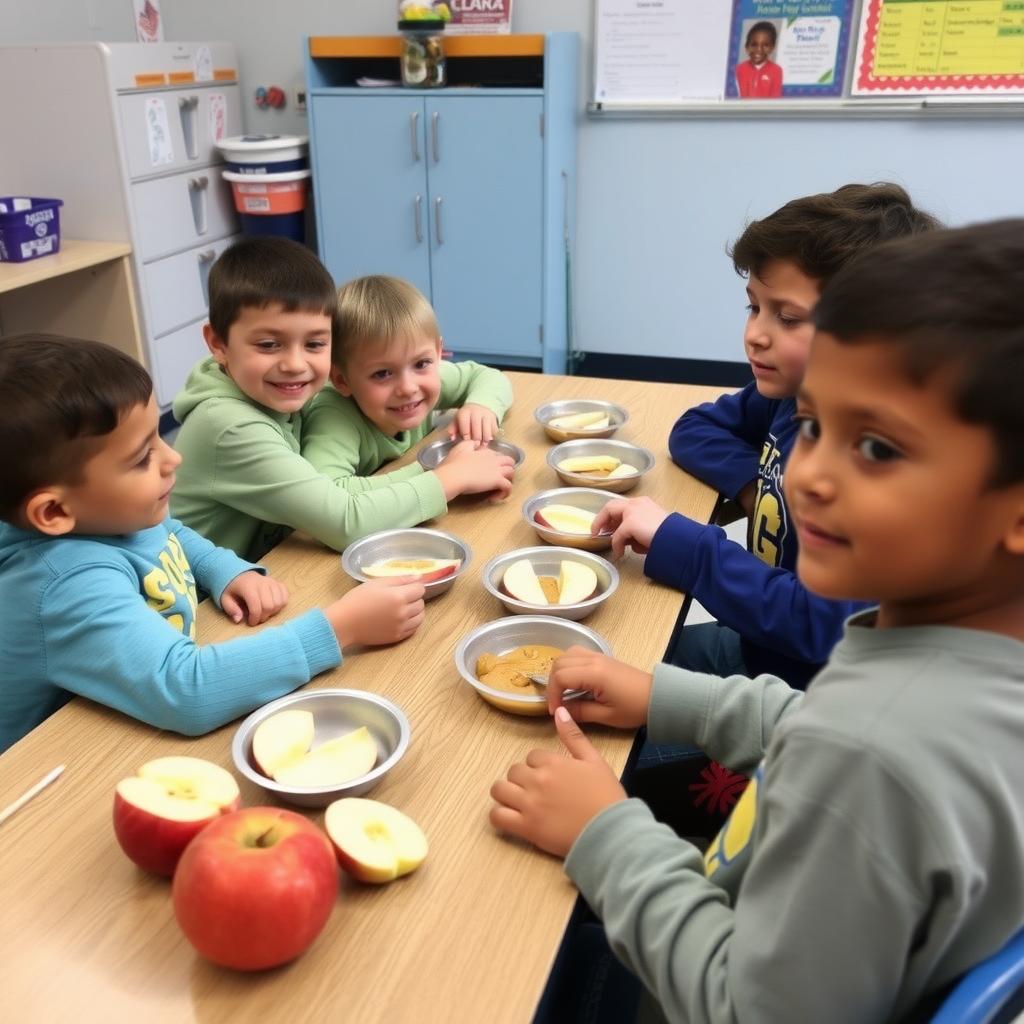
The science of food allergies is moving fast, and it’s exciting to see how it’s changing lives. One big focus is on treatments like oral immunotherapy (OIT). With OIT, kids eat tiny amounts of their allergen—like peanuts—under a doctor’s watch, slowly building tolerance. Studies show it works for many, reducing severe reactions over time. But it’s not a quick fix; it takes patience and careful monitoring because reactions can still happen.
Another option gaining traction is sublingual immunotherapy (SLIT). Here, small doses of allergen extracts go under the tongue instead of being swallowed. It’s less intense than OIT and shows promise for kids sensitive to milk or eggs. Both approaches signal a shift: instead of just avoiding allergens, we’re teaching the body to handle them.
Prevention research is just as groundbreaking. The LEAP study flipped old advice on its head by proving that introducing peanuts early—between 4 and 6 months—can cut allergy risk by 80% in high-risk babies. Now, doctors encourage parents to start allergenic foods like eggs and dairy early, with guidance. It’s a game-changer, showing that timing matters when it comes to preventing allergies.
I’ve talked to parents who wish they’d known this sooner—it could’ve spared their kids years of worry. These findings, backed by groups like the National Institute of Allergy and Infectious Diseases, prove we’re on the right track.
Schools are where kids learn, play, and eat—so managing allergies there is critical. Understanding food allergies: building safe school environments starts with teamwork. I’ve seen schools get this right, and it makes a huge difference.
Here’s what works:
- Make a Plan: Every allergic kid needs a clear action plan—listing their triggers, symptoms, and steps like using an epinephrine pen. Share it with teachers and nurses.
- Train Everyone: Staff need to spot a reaction fast—think hives or trouble breathing—and act. Annual training keeps them sharp.
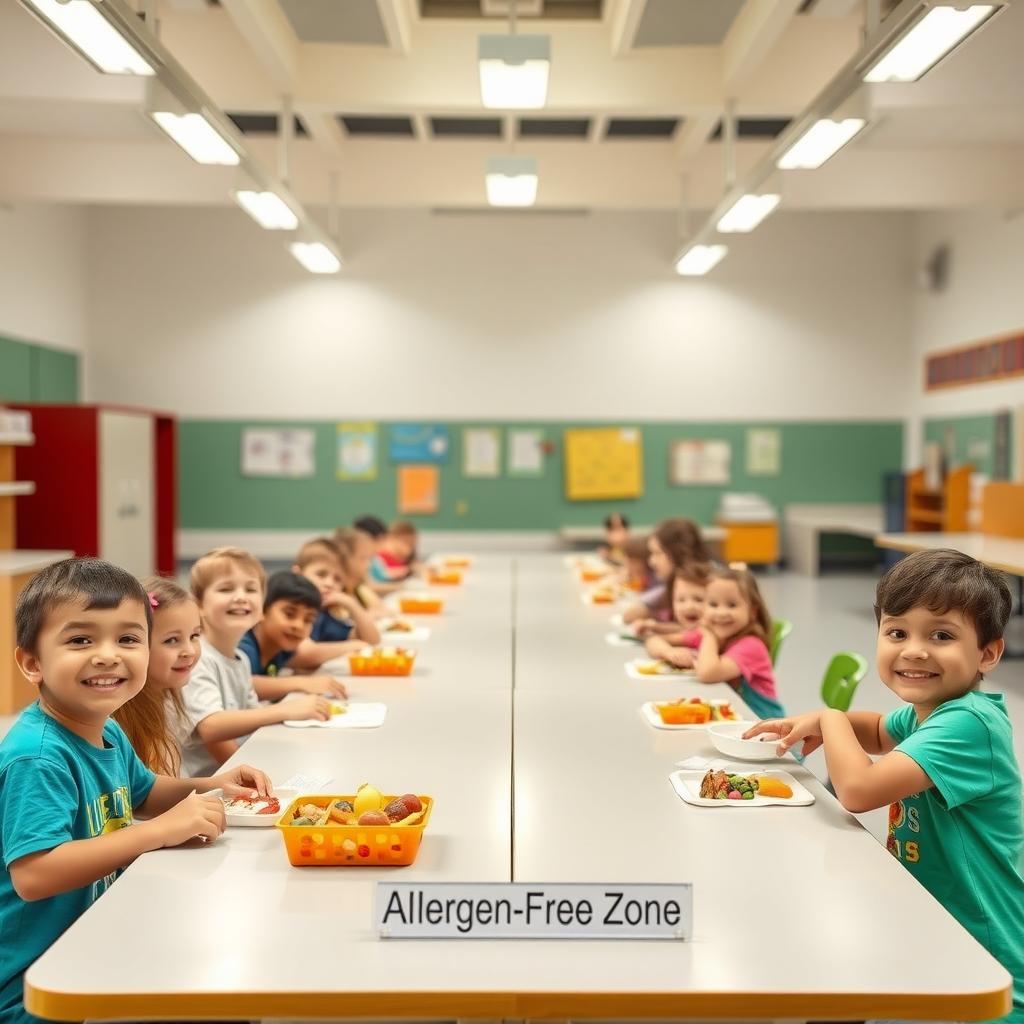
- Set Up Safe Spots: Allergen-free lunch tables or classrooms cut exposure risks. One school I know labels these zones clearly, and it works.
- Teach the Kids: Tell students why allergies matter. It stops teasing and accidental slip-ups, like sharing snacks.
A friend’s daughter had a close call with a peanut cookie at school, but a trained teacher stepped in fast. That’s why preparation matters—it turns chaos into calm.
The latest research on food allergy treatments and prevention is transforming how we handle this growing issue. Treatments like OIT and SLIT offer new options, while early food introduction helps prevent allergies. Nutrition tips for children with food allergies keep kids healthy, and understanding food allergies: building safe school environments ensures they’re protected. Acute FPIES and school safety remind us to stay alert for rare cases. With knowledge and action, we can make life safer and brighter for kids with allergies.


Discuss Here