Understanding FPIES: A Comprehensive Guide for Parents
FPIES is a non-IgE mediated food allergy, meaning it doesn’t cause the immediate hives or breathing problems often associated with food allergies. Instead, it triggers a delayed reaction in the gut, typically 1-4 hours after eating a trigger food. The most common triggers are cow’s milk, soy, rice, and oats, but any food can potentially cause a reaction. Symptoms include profuse vomiting, diarrhea, lethargy, and in severe cases, dehydration and shock. These reactions can be frightening, especially since they often mimic other conditions like stomach viruses or sepsis, leading to misdiagnosis.
For parents, the journey begins with understanding the condition and learning to manage it. Diagnosis is tricky because there are no standard allergy tests for FPIES. Instead, doctors rely on a detailed history of reactions and may use an oral food challenge to confirm the diagnosis. Once diagnosed, the primary treatment is strict avoidance of trigger foods. This requires vigilance, as even a small amount of the wrong food can lead to a severe reaction.
But managing FPIES goes beyond just avoiding certain foods. It’s about creating a safe environment for your child, both at home and in social settings. Parents must become experts in reading labels, preparing safe meals, and educating others about the condition. This can feel overwhelming, but with the right strategies and support, families can navigate these challenges successfully.
Building Safe School Environments for Children with FPIES
School can be a source of anxiety for parents of children with FPIES, but with preparation, it can also be a place where your child thrives. Here’s how to create a safe school environment:
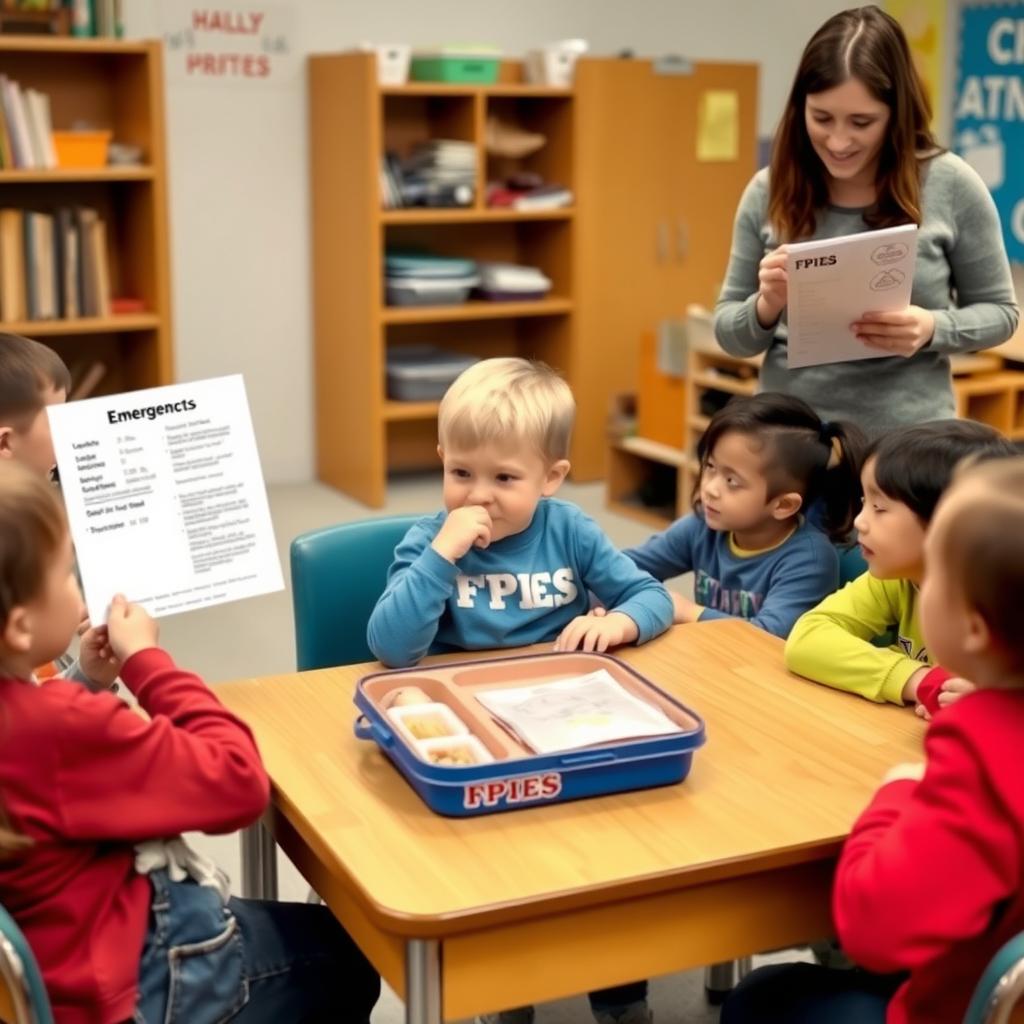
- Develop an Emergency Plan: Work with your child’s doctor to create an FPIES action plan. This should include steps to take if a reaction occurs and contact information for emergency services.
- Educate School Staff: Provide teachers and staff with information about FPIES, including how to recognize symptoms and respond appropriately. Resources like the FPIES Foundation offer guides for schools.
- Pack Safe Snacks: Send your child to school with safe snacks and meals. Label their food clearly and ensure the school has a plan for storing and serving it.
- Communicate Regularly: Maintain open communication with your child’s teacher and school nurse. Regular check-ins can help address any concerns before they become issues.
By taking these steps, you can help ensure your child’s safety while allowing them to participate fully in school activities.
Personal Insights: Navigating Life with FPIES
Living with FPIES is a journey filled with ups and downs. One parent shared, “The first year was the hardest. We were constantly worried about reactions and felt like we couldn’t leave the house. But over time, we learned to adapt. We found safe foods our son loved, and we started connecting with other FPIES families online. It made a world of difference.”
Another parent reflected on the social challenges: “We used to dread family gatherings because everyone would ask why our daughter couldn’t eat certain foods. But we started bringing her favorite dishes to share, and now it’s become a way to educate others about FPIES.”
These stories highlight the resilience of families living with FPIES. While the condition presents unique challenges, it also fosters creativity, strength, and a deep sense of community.

The Emotional Weight of FPIES
Living with FPIES takes an emotional toll. Parents often feel anxious, waiting for a reaction every time their child tries something new. “It’s like you’re always on guard,” one mom said. “You want them to eat and grow, but you’re scared of what might happen.” This fear isn’t rare—studies show many parents feel stressed and unsupported, especially when doctors don’t know much about FPIES.
Kids feel it too. As they get older, they notice they’re different. A five-year-old might ask why he can’t have cake at a party. It’s tough to explain, and it can make them feel left out. Parents carry that hurt, too, watching their child miss out on little joys.
The lack of awareness adds pressure. Friends or family might not get why a child can’t “just try” a food. This can leave parents feeling alone, stuck explaining the same thing over and over. But connecting with other FPIES families—online or in person—can lighten that load.
Understanding Food Allergies: Building Safe School Environments
School can be a safe place with the right setup. Start with an emergency plan—write down what a reaction looks like and what to do. Share it with teachers and the nurse. One parent said, “I typed up a one-pager with our doctor’s input. It’s taped in the classroom now.”
Next, educate the staff. Explain that FPIES isn’t like peanut allergies—it’s delayed but serious. Show them symptoms like vomiting or extreme tiredness. Pack safe snacks in clear containers, labeled with the child’s name. Check in often to catch any hiccups early.
Here’s a quick checklist: 1. Emergency Plan: Clear steps for a reaction, plus emergency contacts. 2. Staff Training: Teach them what FPIES is and how to act fast. 3. Safe Food: Send meals that won’t cause trouble. 4. Open Talk: Keep the school in the loop.
This prep lets kids join in without worry.

Discuss Here