Nutrition plays a crucial role in managing allergies. A well-planned diet can help alleviate symptoms, prevent reactions, and improve overall health. This article explores the importance of nutrition in allergy management, with insights from experts and personal experiences.
The Role of Dietitians in Managing Chronic Food Allergies
Dietitians are essential in helping individuals with chronic food allergies navigate their dietary restrictions. They can provide personalized meal plans, educate on label reading, and offer support for managing allergies in social situations.

Chronic FPIES: Understanding and Managing
Food Protein-Induced Enterocolitis Syndrome (FPIES) is a rare but serious food allergy that affects the gastrointestinal system. Managing chronic FPIES requires a strict elimination diet and close monitoring by healthcare professionals.
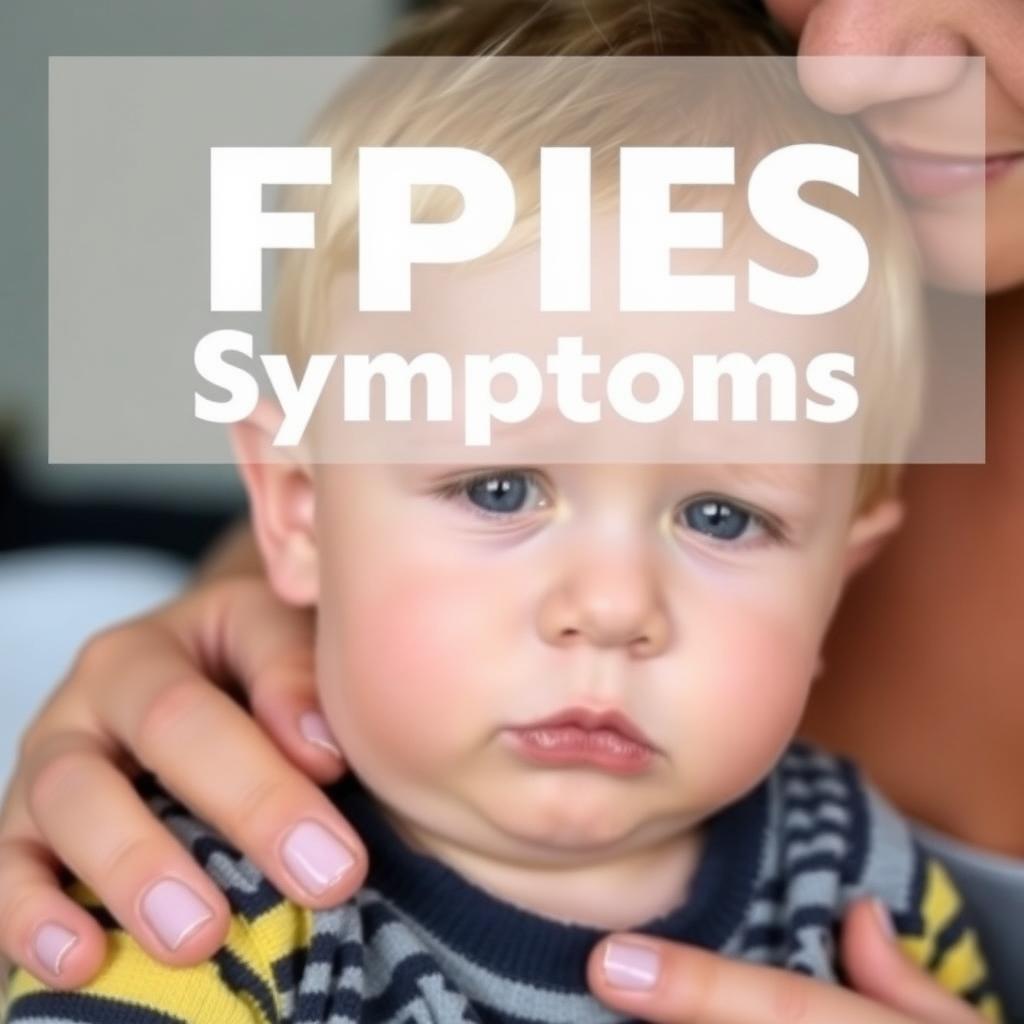
Managing Chronic Food Allergies in Children
Children with chronic food allergies face unique challenges, from navigating school lunches to attending birthday parties. Parents and caregivers play a crucial role in educating children about their allergies and ensuring their safety.

Chronic Food Allergy: A Lifelong Journey
Living with chronic food allergies requires ongoing vigilance and adaptation. From finding safe restaurants to traveling with allergies, individuals with chronic food allergies must navigate a world that isn't always allergy-friendly.

The Importance of Nutrition in Allergy Management
A well-planned diet is essential for managing allergies. Nutrient-dense foods can help support the immune system, while avoiding trigger foods can prevent reactions. Working with a dietitian can help individuals with allergies create a balanced, allergy-friendly meal plan.

In conclusion, nutrition plays a vital role in allergy management. By working with healthcare professionals, individuals with allergies can create a personalized plan to manage their condition and improve their quality of life.

Discuss Here