Overview
Allergen immunotherapy offers hope for people with allergic asthma. This treatment trains your immune system to handle allergens better. It reduces symptoms and may prevent asthma from worsening. Studies show it works well for many, leading to fewer attacks and less medication use.
Understanding Allergen Immunotherapy
Allergen immunotherapy, often called allergy shots, changes how your body reacts to allergens. Doctors give you small doses of allergens over time. Your immune system learns to ignore them instead of overreacting.
People with asthma triggered by allergens like pollen, dust mites, or pet dander often benefit. This treatment goes beyond masking symptoms. It targets the root cause.
I recall working with patients who struggled daily with wheezing and shortness of breath. After starting immunotherapy, many reported easier breathing and more active lives. It's not a quick fix, but the long-term gains make it worthwhile.

How Allergen Immunotherapy Works for Asthma
The process starts with testing to identify your specific allergens. Then, you receive injections or tablets with tiny amounts of those allergens. Doses increase gradually over months.
For asthma, this therapy calms inflammation in your airways. It lowers the chance of asthma attacks triggered by allergens. Research supports its role in preventing asthma in people with allergic rhinitis.
One key study from the National Institutes of Health highlights how allergen immunotherapy reduces airway remodeling in early asthma stages. You can learn more about this in their detailed review on Allergen Immunotherapy in Asthma.
In my view, starting early makes a big difference. If allergies run in your family, talk to a doctor about testing before symptoms escalate.
Evidence of Effectiveness
Many trials show the effectiveness of allergen immunotherapy in asthma. A large study in The Lancet followed over 90,000 people. It found sustained reductions in asthma prescriptions and fewer exacerbations.
Participants saw up to 21% more reduction in medication needs compared to those without therapy. This real-world data proves it works outside controlled lab settings.
The American Academy of Allergy, Asthma & Immunology notes that immunotherapy can lead to lasting symptom relief and may prevent new allergies or asthma development. Check their insights on Immunotherapy for Lasting Relief.
From personal stories I've heard, one patient cut their inhaler use in half after a year. They enjoyed outdoor activities without fear of triggers.
| Benefits | Potential Drawbacks |
|---|---|
| Reduces symptoms long-term | Takes 3-5 years for full effect |
| Lowers medication needs | Possible side effects like swelling |
| Prevents asthma worsening | Requires regular visits |
| Safe for most ages | Not for everyone with severe asthma |
Safety and Who It's For
Doctors consider it safe for well-controlled asthma. Side effects are usually mild, like redness at the injection site. Serious reactions are rare with proper monitoring.
It's best for those with clear allergen triggers. If your asthma is severe, your doctor might stabilize it first before starting.
A review from DovePress confirms its safety in severe cases when managed well. Read about the Safety and Effectiveness in Severe Asthma.
I've seen it transform lives, but always consult a specialist to see if it fits your situation.
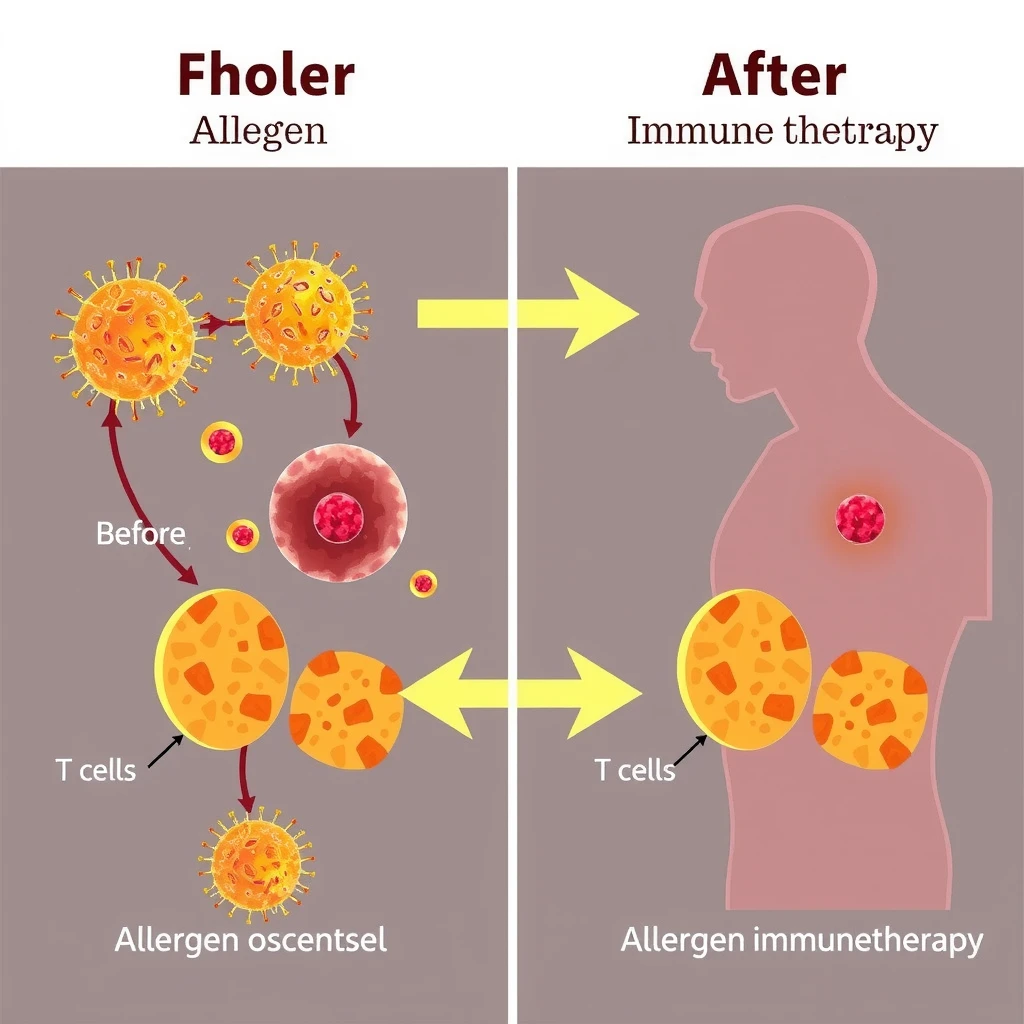
Broader Applications: Chronic Food Allergy and FPIES
Allergen immunotherapy extends beyond asthma. For chronic food allergy, oral immunotherapy helps build tolerance to foods like peanuts or milk.
This involves eating tiny amounts under supervision, increasing over time. It's promising for ongoing allergies that disrupt daily life.
Chronic FPIES, or food protein-induced enterocolitis syndrome, is a type of chronic food allergy causing severe gut reactions. Unlike typical allergies, it's non-IgE mediated, so standard shots may not apply. However, emerging research explores adapted immunotherapy approaches.
The American College of Allergy, Asthma & Immunology explains FPIES symptoms and management. For more on Food Protein-Induced Enterocolitis Syndrome (FPIES).
In cases of chronic FPIES, avoidance remains key, but some studies suggest gradual exposure might help in select patients. Always work with experts for these complex conditions.
Sharing from experience, families dealing with chronic food allergy find hope in these therapies. One parent described how oral immunotherapy let their child eat safely at school.
- Start Small: Begin with allergy testing to confirm triggers.
- Commit Long-Term: Expect gradual improvements over months.
- Monitor Progress: Track symptoms and adjust with your doctor.
- Combine Treatments: Use it alongside inhalers for best results.

Personal Insights and Tips
As someone who's followed allergy treatments closely, I believe allergen immunotherapy shines in its ability to offer freedom. Imagine hiking without wheezing or petting a dog without sneezing.
One insight: Patience pays off. Early frustrations fade as benefits build. Combine it with lifestyle changes like avoiding triggers.
For asthma sufferers, it reduces hospital visits and improves sleep. Kids especially gain from fewer school absences.
If you're considering it, discuss costs and coverage. Many insurances support it due to long-term savings on meds.
Summary
Allergen immunotherapy proves effective for allergic asthma, cutting symptoms and preventing progression. It also shows promise for chronic food allergy, though approaches differ for conditions like chronic FPIES and FPIES. With strong evidence from studies, it's a game-changer for many. Consult a doctor to explore if it's right for you.

Discuss Here