Understanding and Treating Gastrointestinal Disorders
Gastrointestinal (GI) disorders affect millions of people worldwide, disrupting daily life and often leading to emotional and physical distress. Among these, chronic vomiting and Chronic Food Protein-Induced Enterocolitis Syndrome (FPIES) are particularly challenging due to their persistent nature and complex symptoms. This article delves into these conditions, offering a blend of expert knowledge, personal insights, and practical advice to help those affected better understand and manage their health.
What Are Gastrointestinal Disorders?
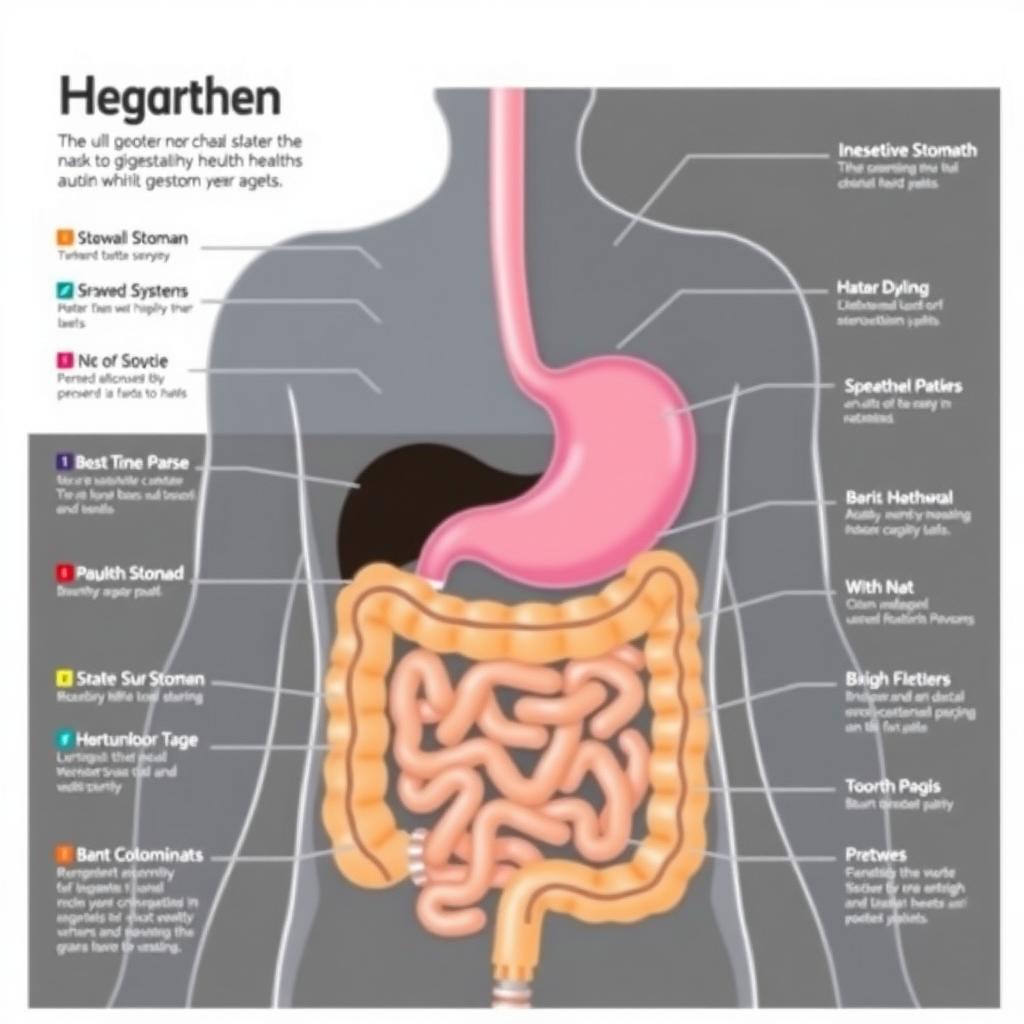
Gastrointestinal disorders encompass a wide range of conditions that affect the digestive system, including the stomach, intestines, and other organs involved in digestion. These disorders can cause symptoms like abdominal pain, bloating, diarrhea, and vomiting. While some GI issues are temporary, others, like chronic vomiting and Chronic FPIES, can be long-lasting and require ongoing management.
Understanding the root causes of these disorders is crucial for effective treatment. Factors such as diet, stress, infections, and immune responses can all play a role. For instance, Chronic FPIES is a non-IgE-mediated food allergy that triggers severe gastrointestinal reactions, often leading to chronic vomiting and diarrhea. Recognizing these triggers is the first step toward relief.
Chronic Vomiting: Causes and Impact
Chronic vomiting is defined as recurrent episodes of vomiting over an extended period, often lasting weeks or months. Unlike acute vomiting, which is usually short-lived and linked to infections or food poisoning, chronic vomiting can stem from various underlying conditions, including:
- Gastroesophageal Reflux Disease (GERD): A condition where stomach acid frequently flows back into the esophagus, causing irritation and vomiting.
- Cyclic Vomiting Syndrome (CVS): Characterized by episodes of severe vomiting with no apparent cause, often linked to stress or certain foods.
- Chronic FPIES: A rare but serious condition where the immune system reacts to specific food proteins, leading to chronic gastrointestinal symptoms.
The impact of chronic vomiting extends beyond physical discomfort. It can lead to dehydration, malnutrition, and significant weight loss. Moreover, the unpredictability of symptoms can disrupt daily activities, work, and social life, making it a debilitating condition for many.
Psychological Effects of Chronic Vomiting
Living with chronic vomiting can take a toll on mental health. The constant fear of an episode can lead to anxiety, while the physical exhaustion from frequent vomiting can contribute to depression. Social isolation is another common issue, as individuals may avoid social gatherings or public places to prevent embarrassment or discomfort.
One personal insight comes from a patient who shared, "The hardest part isn't just the vomiting—it's the anxiety that comes with it. I never know when it's going to happen, so I find myself avoiding meals with friends or family." This sentiment is echoed by many who feel trapped by their condition.
Addressing these psychological effects is as important as treating the physical symptoms. Cognitive-behavioral therapy (CBT), support groups, and mindfulness techniques can help manage anxiety and improve quality of life. It's essential to recognize that mental health support is a key component of comprehensive care for those with chronic vomiting.
Chronic FPIES: Symptoms and Management
Chronic Food Protein-Induced Enterocolitis Syndrome (FPIES) is a rare type of food allergy that primarily affects the gastrointestinal system. Unlike typical food allergies, which involve immediate reactions like hives or anaphylaxis, Chronic FPIES symptoms develop over time and can include:
- Chronic Vomiting: Persistent vomiting that occurs regularly after consuming trigger foods.
- Diarrhea: Often watery and sometimes containing blood or mucus.
- Failure to Thrive: In children, this can manifest as poor weight gain or growth delays.
- Lethargy and Pallor: General fatigue and paleness due to the body's ongoing immune response.
The most common trigger foods for Chronic FPIES are cow's milk, soy, and grains like rice and oats. However, any food protein can potentially cause a reaction. Diagnosis is challenging and often requires a detailed dietary history, elimination diets, and sometimes oral food challenges under medical supervision.
Management of Chronic FPIES involves strict avoidance of trigger foods and close monitoring of symptoms. In some cases, hypoallergenic formulas or specialized diets may be necessary, especially for infants and young children. It's also important to work with a healthcare team, including allergists and dietitians, to ensure nutritional needs are met while avoiding allergens.
Personal Insights: Living with Chronic GI Disorders
Living with a chronic GI disorder like FPIES or chronic vomiting requires resilience and adaptability. One mother of a child with Chronic FPIES shared, "It was heartbreaking to see my baby in pain after every meal. We had to eliminate so many foods, but once we identified the triggers, it was like getting our lives back." This journey of trial and error is common, as finding the right dietary balance can take time.
Another individual with chronic vomiting due to CVS noted, "I've learned to listen to my body and recognize early signs of an episode. Keeping a food diary and tracking stress levels has been a game-changer." These personal strategies highlight the importance of self-awareness and proactive management in coping with chronic GI disorders.
Treatment Strategies for Gastrointestinal Disorders
Treating chronic GI disorders requires a multifaceted approach tailored to the individual's specific condition and symptoms. Here are some effective strategies:
- Dietary Modifications: Identifying and eliminating trigger foods is crucial, especially for conditions like Chronic FPIES. Working with a dietitian can help create a balanced, allergen-free diet.
- Medications: Anti-nausea medications, proton pump inhibitors (for GERD), and antispasmodics can help manage symptoms. For Chronic FPIES, medications may be used to control severe reactions.
- Hydration and Nutrition: Ensuring adequate fluid intake and nutritional support is vital, especially during vomiting episodes. Oral rehydration solutions or IV fluids may be necessary in severe cases.
- Stress Management: Since stress can exacerbate GI symptoms, techniques like yoga, meditation, and deep breathing exercises can be beneficial.
- Medical Monitoring: Regular check-ups with a gastroenterologist or allergist are essential to track progress and adjust treatment plans as needed.
It's important to note that treatment is not one-size-fits-all. What works for one person may not work for another, so patience and persistence are key.
The Role of Support Systems
Support from family, friends, and healthcare providers is invaluable for those managing chronic GI disorders. Online communities and support groups can also provide a sense of belonging and understanding. One patient remarked, "Finding others who truly get what I'm going through has made me feel less alone. We share tips, vent, and celebrate small victories together."
Healthcare providers play a critical role in offering not just medical treatment but also emotional support. A compassionate doctor or nurse can make a significant difference in a patient's journey, providing reassurance and guidance through the ups and downs of managing a chronic condition.
Looking Ahead: Hope and Research
While chronic GI disorders like chronic vomiting and Chronic FPIES can be overwhelming, there is hope. Advances in research are leading to better diagnostic tools and treatment options. For example, ongoing studies are exploring the underlying mechanisms of FPIES, which could pave the way for targeted therapies in the future.
In the meantime, education and awareness are crucial. By understanding these conditions and sharing knowledge, we can reduce the stigma and improve the quality of life for those affected. If you or a loved one is struggling with a chronic GI disorder, remember that you're not alone—help and support are available.
Recommended Readings
- Managing Chronic Vomiting: A Guide for Patients and Caregivers
- Navigating Food Allergies: Understanding FPIES
- Mental Health and Chronic Illness: Coping Strategies
Internal Links
- Learn more about Chronic FPIES Symptoms
- Explore treatment options for chronic vomiting
- Discover mental health resources for chronic illness
- Find a community for GI disorder support
- Read about the latest research on GI disorders
Overview
Gastrointestinal disorders can turn life upside down, especially with issues like chronic vomiting or Chronic FPIES. This article breaks down these conditions, explores their psychological toll, and shares practical ways to manage them—offering hope and guidance for those affected.
Summary
Chronic vomiting and Chronic FPIES can shake up your life, hitting your body and mind hard. Understanding what’s going on and finding the right treatment—like diet changes or therapy—can turn things around. Lean on support, talk to experts, and keep pushing. You’ve got this.




Discuss Here