Overview:
Geocaching 101: A Beginner’s Guide introduces an exciting outdoor activity that blends technology with treasure hunting. Perfect for top outdoor family adventures, it promotes family fitness activities for all ages while offering effective cardio workouts for endurance. Ready to explore? Let’s dive in!
What is Geocaching?
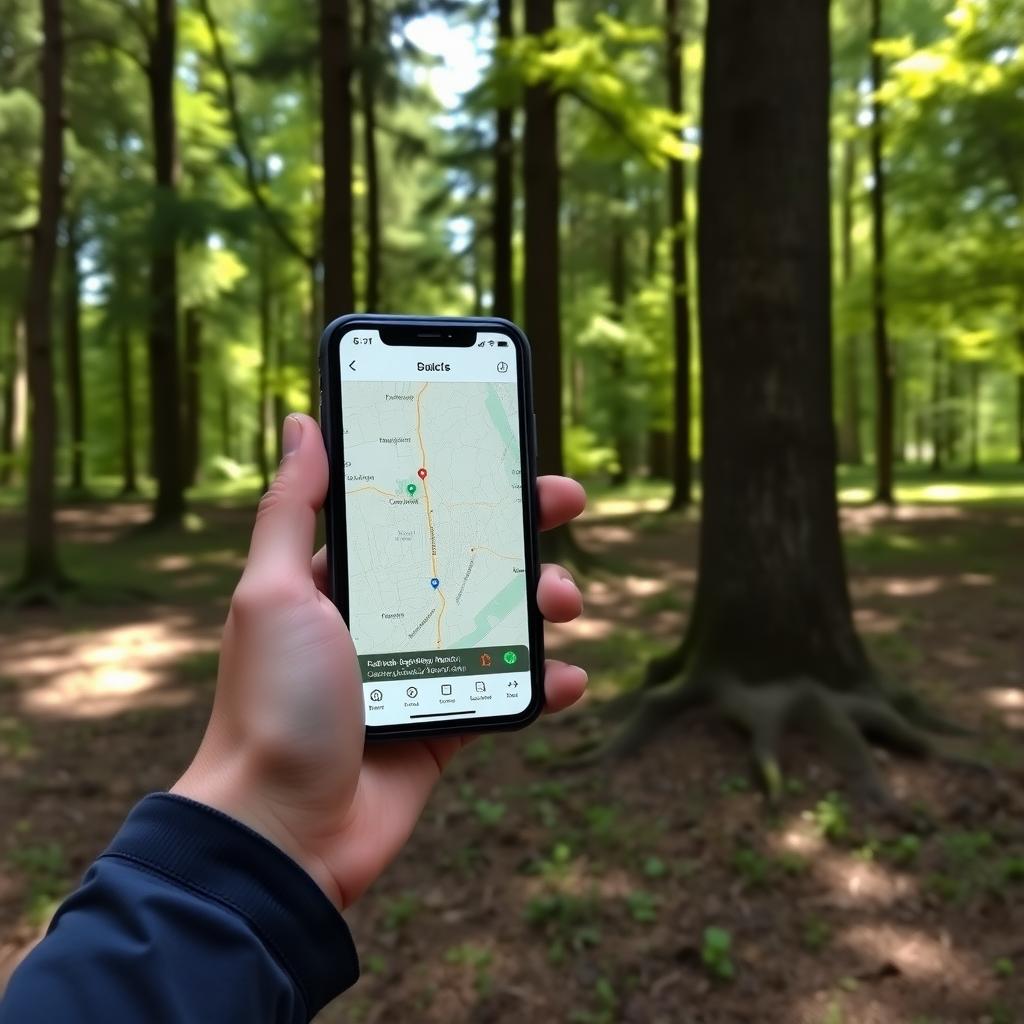
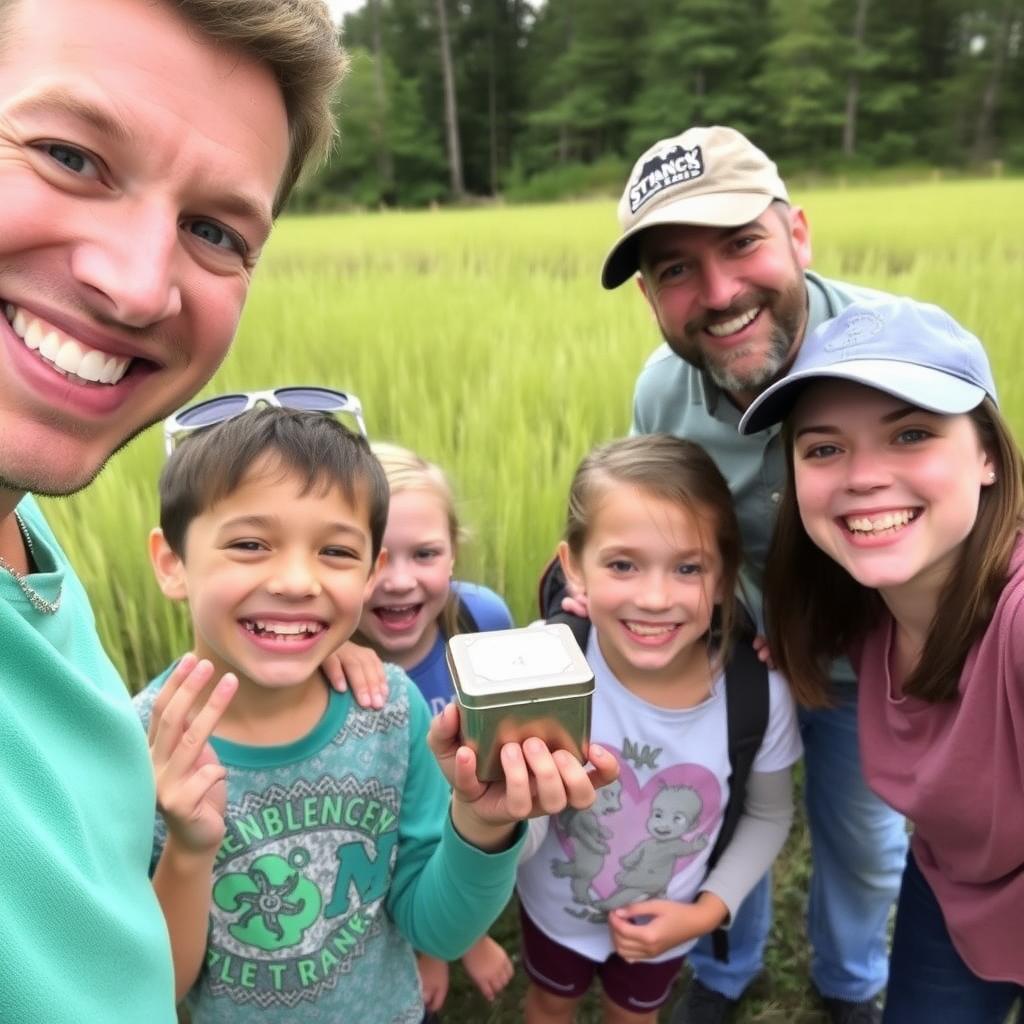
Geocaching is a global outdoor treasure-hunting game where participants use GPS-enabled devices to find hidden containers, called geocaches, at specific locations. These geocaches can be found in parks, urban areas, forests, and even underwater. Each geocache typically contains a logbook for finders to sign and sometimes small trinkets for trading.
The game began in 2000 when GPS technology became accessible to the public. Today, there are millions of geocaches hidden worldwide, making it a popular activity for adventurers of all ages. Geocaching is not just about finding hidden treasures; it’s also about exploring new places, solving puzzles, and connecting with a global community of geocachers.
How to Get Started with Geocaching
Getting started with geocaching is easy and free. Here’s a step-by-step guide:
- Create an Account: Sign up on a geocaching platform like Geocaching.com. This will allow you to access geocache locations, log your finds, and connect with other geocachers.
- Download a Geocaching App: Use a smartphone app like the official Geocaching app or other popular options like Cachly or c:geo. These apps provide maps, hints, and navigation tools.
- Find Your First Geocache: Search for nearby geocaches on the app or website. Start with easy ones, often rated with a low difficulty level.
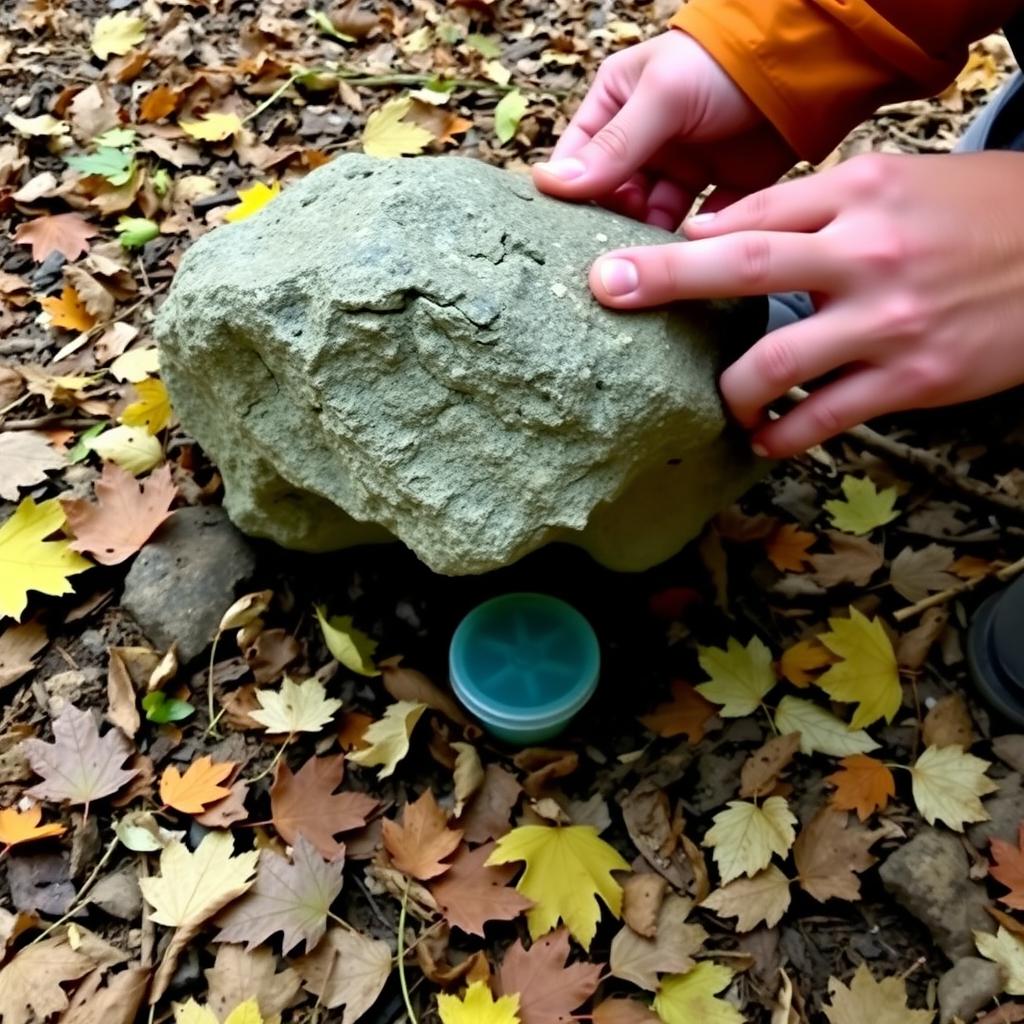
- Navigate to the Location: Use the GPS on your device to reach the geocache coordinates. Once you’re close, look for likely hiding spots like hollow trees, under rocks, or behind signs.
- Sign the Logbook: When you find the geocache, sign the logbook inside to record your visit. If there are trinkets, you can trade them, but always leave something of equal or greater value.
- Log Your Find Online: After your adventure, log your find on the geocaching platform to track your progress and share your experience.
Essential Equipment for Geocaching
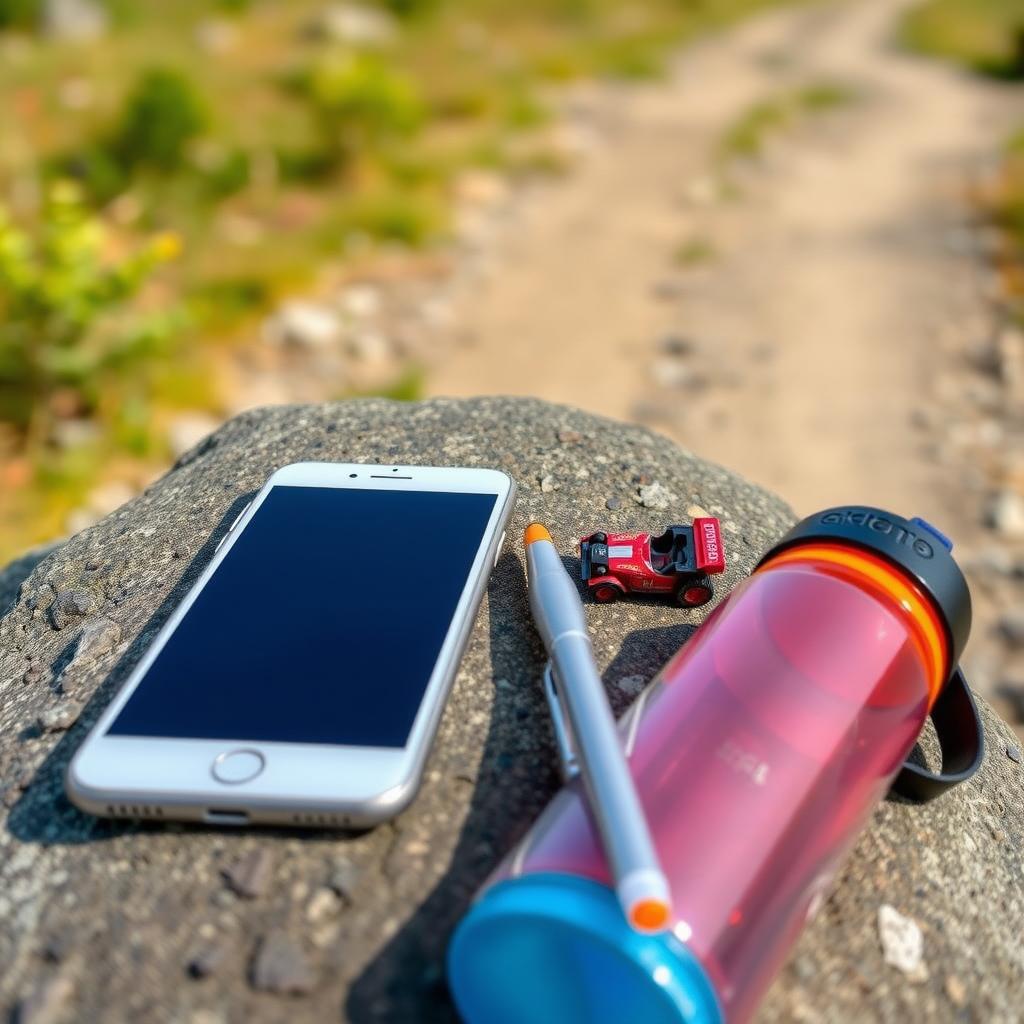
You don’t need much to start geocaching, but a few basic items can make your experience smoother:
- GPS Device or Smartphone: A smartphone with a geocaching app is the most convenient tool. If you prefer, you can use a dedicated GPS device.
- Pen or Pencil: Many geocaches have small logbooks, so bring something to sign them with.
- Small Trinkets: If you want to trade items in the geocache, bring small toys, coins, or other inexpensive items.
- Comfortable Shoes: Geocaching often involves walking or hiking, so wear appropriate footwear.
- Water and Snacks: Stay hydrated and energized, especially on longer hunts.
Optional items include a flashlight for searching in dark places, a walking stick for hiking, and gloves for handling geocaches in rugged areas.
Tips for Beginner Geocachers
Geocaching is fun and rewarding, but it can be challenging for beginners. Here are some tips to help you get started:
- Start with Easy Geocaches: Look for geocaches with a difficulty rating of 1 or 2. These are usually straightforward and don’t require special skills or equipment.
- Be Discreet: Geocaches are often hidden in public places. Avoid drawing attention to yourself while searching to keep the geocache’s location secret.
- Respect the Environment: Follow the “leave no trace” principle. Don’t disturb wildlife or damage plants while searching.
- Use Hints: If you’re having trouble finding a geocache, check the hint provided on the app or website.
- Log Your Finds: After finding a geocache, log your experience online. It’s a great way to track your progress and share stories with the community.
The Benefits of Geocaching for Families
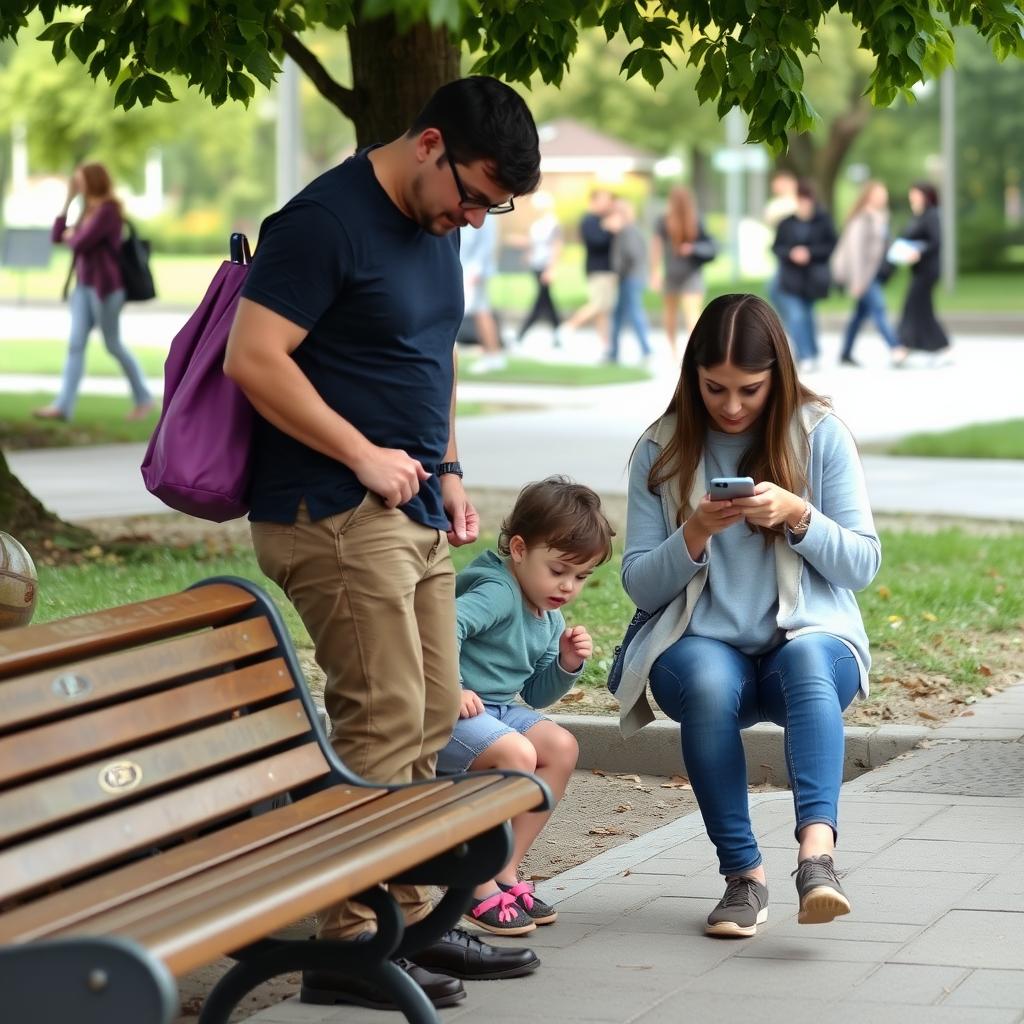
Geocaching is more than just a game; it’s a fantastic way for families to bond and stay active. Here are some of the benefits:
- Outdoor Exploration: Geocaching encourages families to explore parks, trails, and other outdoor spaces they might not have visited otherwise.
- Physical Activity: Searching for geocaches involves walking, hiking, and sometimes climbing, making it a fun way to get exercise.
- Problem-Solving: Many geocaches involve puzzles or clues, helping children develop critical thinking skills.
- Teamwork: Geocaching is a collaborative activity that requires communication and cooperation, strengthening family bonds.
- Educational Opportunities: Geocaches often highlight historical sites, natural landmarks, or cultural points of interest, providing learning experiences along the way.
Summary
Geocaching is an accessible, family-friendly activity that combines adventure, technology, and the great outdoors. Whether you’re looking for a fun way to explore your local area or a new hobby to enjoy with your family, geocaching offers endless possibilities. With just a smartphone and a sense of curiosity, you can start your treasure-hunting journey today.
Recommended Readings
- Geocaching for Kids: A Fun Way to Learn About Nature
Explore how geocaching can inspire children to learn about the environment and nature. - The History of Geocaching: From GPS to Global Phenomenon
Discover the origins and evolution of geocaching as a popular hobby.

Discuss Here