Designing an Effective Family Exercise Plan is all about bringing your family together for fun, fitness, and a healthier future. Regular physical activity can improve everyone’s well-being, foster an active lifestyle, and even contribute to longevity. This guide offers practical steps to create a plan that fits your family’s unique needs and keeps everyone excited to move.

Why Family Exercise Matters
Getting active as a family isn’t just about burning calories. It builds stronger connections and sets the stage for lifelong healthy habits. Studies show that an active lifestyle and longevity go hand in hand—regular movement can lower stress, boost energy, and reduce health risks. Personally, I’ve seen how a simple evening walk can turn into a family tradition filled with laughter and stories.
The beauty of a family exercise plan is its flexibility. You’re not training for a marathon (unless you want to!). Instead, you’re creating moments that matter—like chasing your kids around the yard or dancing to your favorite songs. It’s about wellness programs that work for real families, not just fitness buffs.
Step 1: Know Your Family’s Needs
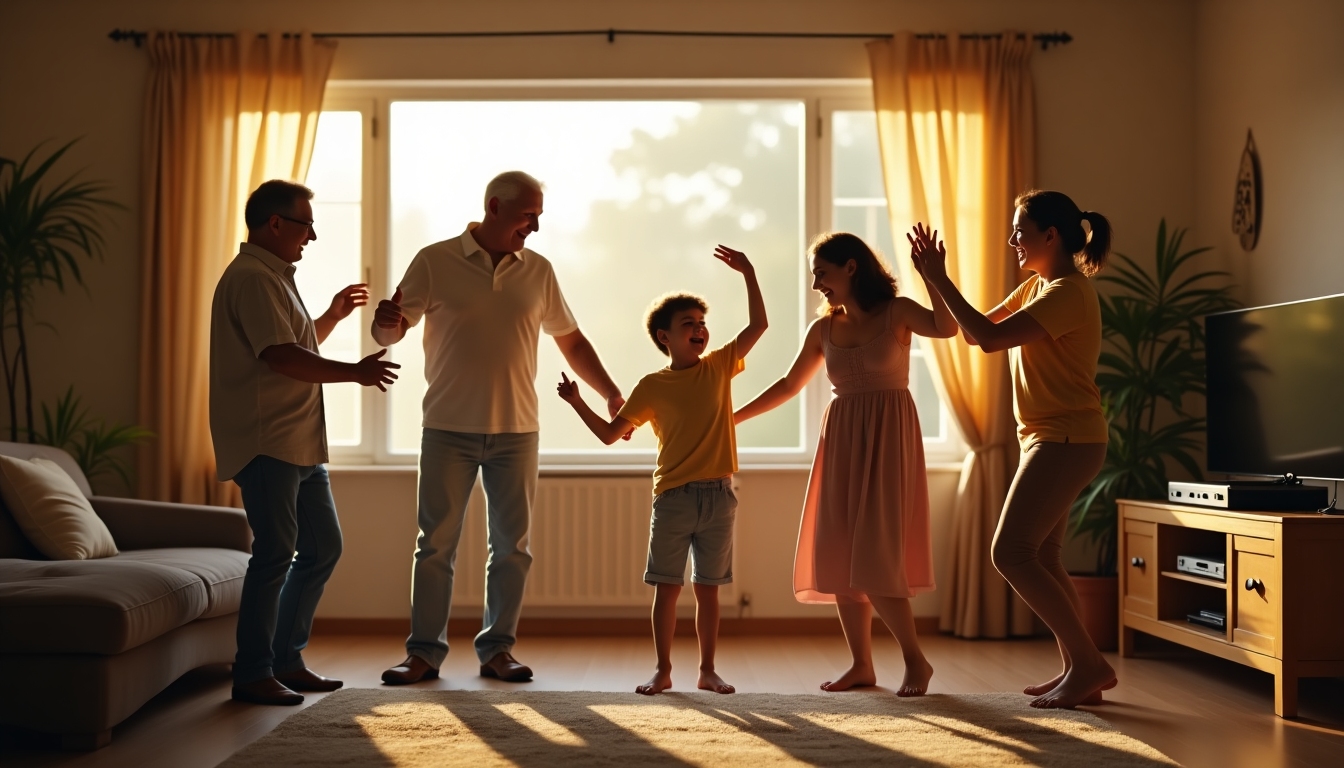
Every family member is different. Kids might love running wild, while adults might need something gentler on the knees. Start by asking everyone what they enjoy. My nephew, for instance, loves soccer, but my sister prefers yoga. A good plan mixes these interests so no one feels left out.
Consider ages and fitness levels too. Toddlers can’t keep up with teens, and seniors might need low-impact options like stretching. The goal? Make sure everyone feels included and capable. This step lays the foundation for a truly effective family exercise plan.

Step 2: Set Fun, Realistic Goals
Goals keep you on track, but they need to fit your family’s life. Use the SMART method—specific, measurable, attainable, relevant, and time-bound. For example, aim to bike as a family twice a week for 30 minutes. My cousin’s family started with a goal to walk the dog together daily, and it stuck!
Involve everyone in picking goals. Kids might want to master jump rope, while parents aim to feel stronger. When everyone has a say, they’re more likely to stay committed. It’s a simple trick that turns exercise into a team effort.
Step 3: Pick the Right Activities
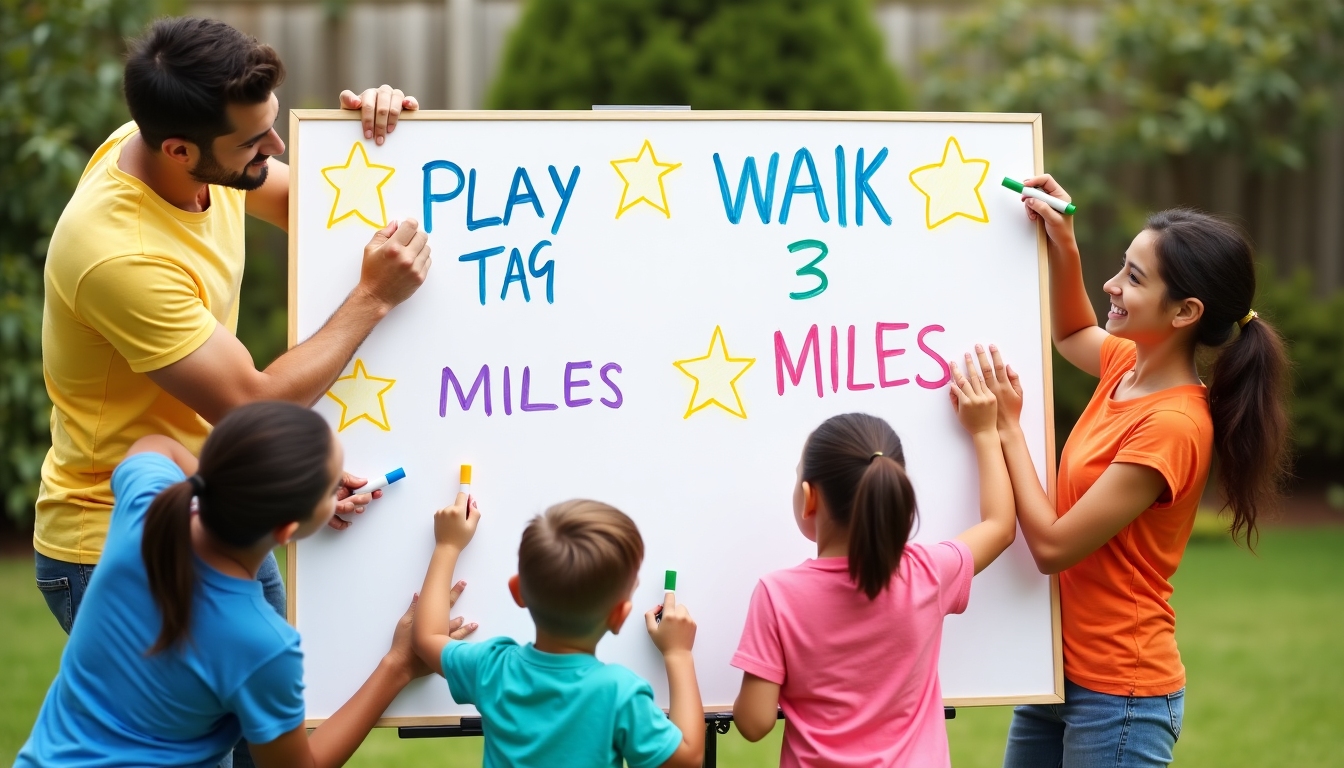
Choosing exercises is where the fun begins. Here’s a list of family-friendly options:
- Walking: Explore your neighborhood or a local trail.
- Cycling: Ride bikes around the block or park.
- Swimming: Splash around at a pool or lake.
- Sports: Try soccer, frisbee, or catch in the yard.
- Dancing: Crank up the music for a home dance party.
Mix it up to keep things fresh!
Think about what your family already loves. My friends’ kids adore scavenger hunts, so they turned walks into treasure hunts. Physical Activity Programs don’t have to be formal—just active and enjoyable. The key is picking things that make you all smile.
Step 4: Build a Simple Schedule
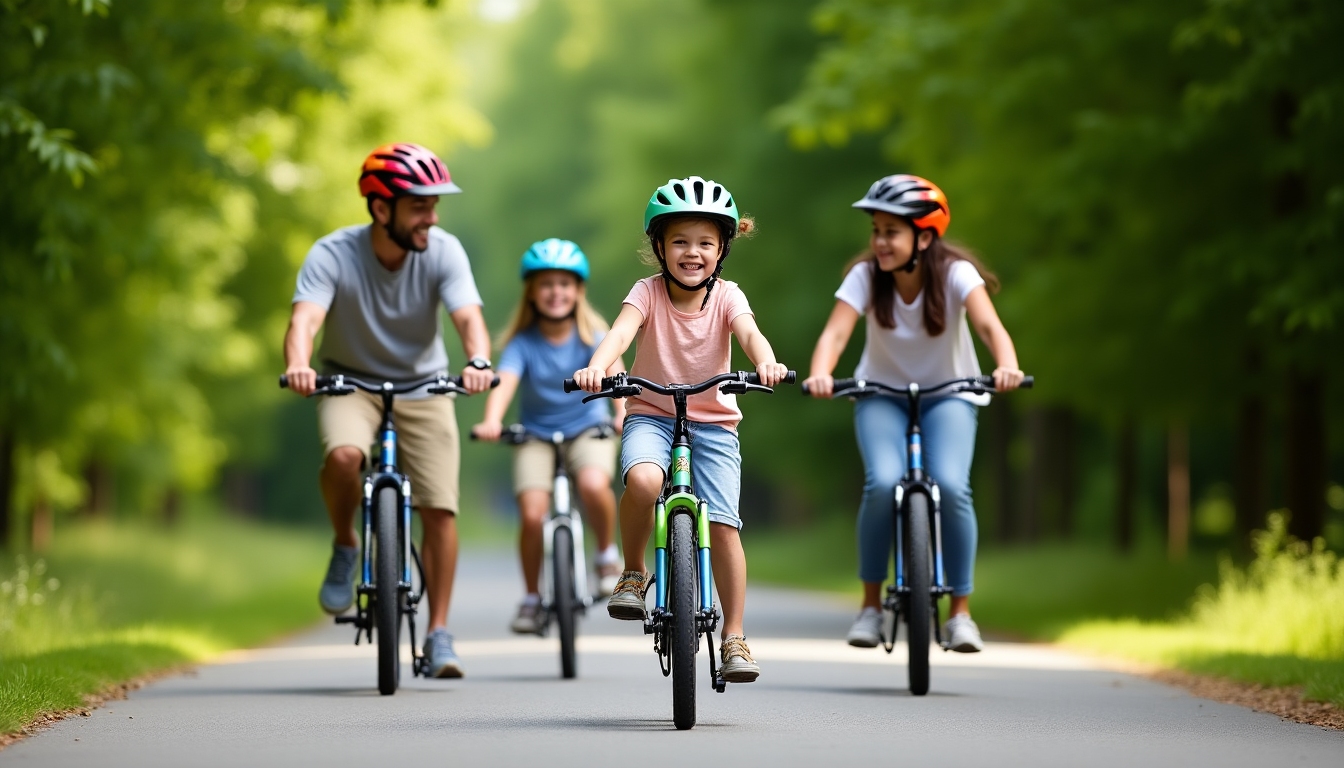
Consistency is king, but schedules should fit your routine. Pick times that work—like after school or Saturday mornings. My brother’s family exercises after dinner; it’s their unwind time. Start with two or three sessions a week and build from there.
Keep it flexible, though. If a rainy day cancels your hike, switch to an indoor workout. Use a shared calendar—digital or paper—to mark your plans. Seeing ‘Family Game Night: Tag’ written down makes it real and exciting.
Step 5: Stay Motivated Together
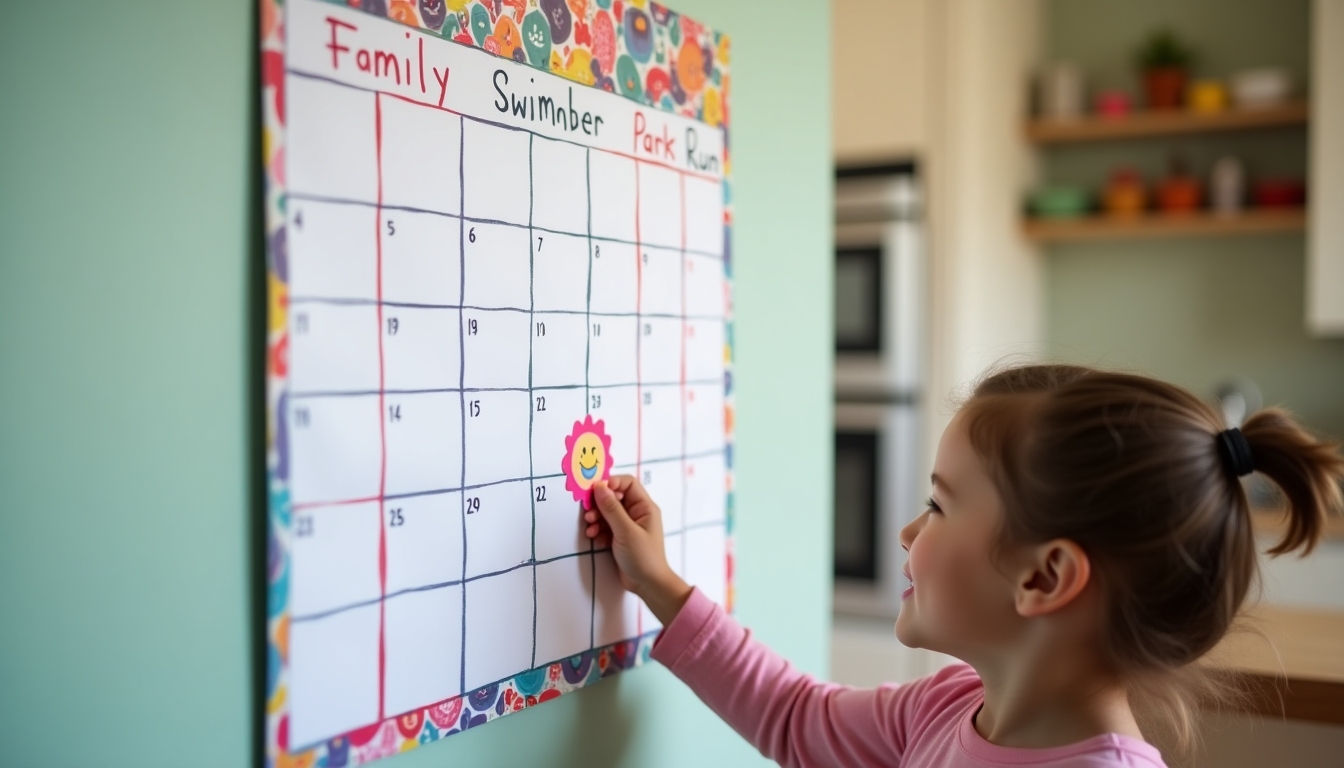
Motivation can dip, but families have a secret weapon: each other. Try these ideas:
- Challenges: Who can hop the longest? Offer small prizes.
- Rewards: Movie night after a week of workouts.
- Variety: Switch from yoga to a nature walk.
My sister’s family celebrates with ice cream after hitting milestones—it works!
Share the journey. Talk about how you feel after exercising—stronger, happier, or just silly from dancing. An Active Lifestyle thrives on encouragement, not pressure. Keep it light and playful.

Step 6: Track Your Progress
Seeing progress keeps you going. Use a notebook to log walks or a fitness app for steps. My niece loves checking her tracker—it’s like a game. Every month, sit down as a family to see how far you’ve come and tweak the plan.
Maybe the kids want more sports, or Dad needs shorter sessions. Adjust as you go. Wellness programs succeed when they evolve with you. Tracking isn’t about perfection—it’s about celebrating effort.

Tips for Success
Here are extra nuggets of wisdom:
- Start Small: Even 15 minutes counts.
- Gear Up: Comfy shoes and water bottles help.
- Be Patient: Habits take time to stick.
- Laugh: Silliness makes it fun.
I’ve watched families transform with small steps—yours can too.
Don’t overthink it. If a plan feels stiff, loosen up—play tag instead of jogging. The goal is joy, not a gym membership. An active lifestyle and longevity come from moving together, not from fancy routines.

Wrapping It Up
Designing an Effective Family Exercise Plan is your ticket to a healthier, happier home. It’s about finding what works for your crew—whether that’s hiking, dancing, or chasing the dog. Start simple, stay consistent, and watch your family thrive with an Active Lifestyle. You’ve got this!

Discuss Here