A Quick Overview
Parents and caregivers often search for tools that make everyday routines smoother for kids with autism. Creating effective visual supports for children with autism can transform chaotic days into predictable adventures. In this guide, we'll explore simple strategies, share real stories, and offer steps you can take today. Whether you're new to this or refining your approach, these insights draw from proven methods like Applied Behavior Analysis (ABA) to build confidence in your child.
Visual supports aren't just pictures on a wall—they're bridges to understanding. For children with autism, who may process information differently, visuals clarify expectations and ease transitions. Think of them as a roadmap for the day, reducing meltdowns and boosting independence.
I remember my first attempt at this with my son, Alex. At age 4, mornings were a battle: shoes on, breakfast, school bag. No amount of words helped. But when I sketched a simple picture sequence—bed to brush teeth to backpack—something clicked. He followed it like a pro. That small win showed me the power of visuals in behavioral therapy.
Why Visual Supports Matter
Children with autism often thrive on structure. Sensory overload or unclear instructions can spark frustration. Visual supports cut through the noise by showing, not just telling, what comes next.
Research from the Autism Society highlights how these tools align with Applied Behavior Analysis, a cornerstone of behavioral therapy. ABA breaks skills into steps, and visuals make those steps tangible. Parents using ABA strategies report fewer outbursts and more self-initiated tasks.
Let's dive deeper. One key tool is the visual schedule. Understanding visual schedules: a guide for families starts with grasping their role in daily life. They're not rigid rules but flexible friends that adapt as your child grows.

Building Your First Visual Schedule
Start small. Pick one routine, like bedtime. Gather pictures: a clock for story time, pajamas for changing, a book for reading.
Use apps like Pictello or free printable icons from Do2Learn. Laminate for durability—kids love the feel.
Here's a step-by-step list to create one:
- Observe: Note what confuses your child most.
- Choose images: Real photos work best for some; cartoons for others.
- Sequence logically: First this, then that.
- Add velcro strips: Let your child move pieces to mark completion.
- Review together: Praise efforts, adjust as needed.
Incorporate Applied Behavior Analysis strategies for parents by reinforcing positive responses. When Alex completed his schedule, a high-five and his favorite sticker sealed the deal. Over time, he anticipated tasks, cutting our evening stress in half.
Visual schedules shine in schools too. Teachers pair them with ABA techniques, like token economies, where kids earn stars for following steps. At home, blend this with play. Turn schedule time into a game—who can 'finish the chain' first?
But remember, every child differs. What clicks for one might overwhelm another. Tailor visuals to interests: dinosaurs for dino lovers, cars for speed demons.
Beyond Schedules: Other Visual Tools
Schedules are stars, but don't stop there. Social stories explain tricky social cues. Write a short tale: 'When I share toys, friends smile.' Pair with drawings of happy playdates.
Task analysis visuals break big jobs into bites. Brushing teeth? Show wet brush, toothpaste squeeze, scrub, rinse—four panels, done.
These tie into behavioral therapy by promoting self-regulation. A study in the Journal of Autism and Developmental Disorders (linked here) shows visuals boost compliance by 40% in ABA programs.

| Type of Visual Support | Best For | Quick Tip |
|---|---|---|
| Daily Schedule | Routines like meals or outings | Use timers with icons for pacing |
| Social Stories | Learning emotions or manners | Read daily, act it out |
| Choice Boards | Decision-making | Limit to 3-5 options to avoid overload |
| Emotion Charts | Identifying feelings | Add photos of your child's real faces |
This table outlines favorites from families I've connected with online. Choice boards empowered my niece, Emma, to pick snacks without tears—'Apple or banana?' suddenly became fun.
Personal insight: During Alex's therapy sessions, we wove visuals into Applied Behavior Analysis. His therapist used a 'first-then' board: First work, then iPad. It wasn't magic, but it built trust. Now, at 8, he designs his own schedules. That's the goal—empowerment.
Challenges arise, sure. Fading interest? Refresh with new themes. Resistance? Start with favorites, like superhero stickers. Patience pays off.
Integrating ABA at Home
Applied Behavior Analysis isn't just clinic-bound. Parents can adapt it daily. Visuals amplify this: pair a prompt with a picture, reinforce with praise.
Try prompting chains. For handwashing: Picture 1 (soap), say 'Scrub hands.' Visual guides the action; your words cue it. Track progress in a simple journal—what worked, what to tweak.
Behavioral therapy through visuals fosters long-term skills. The National Autism Center endorses this combo for reducing anxiety (see their guide here).
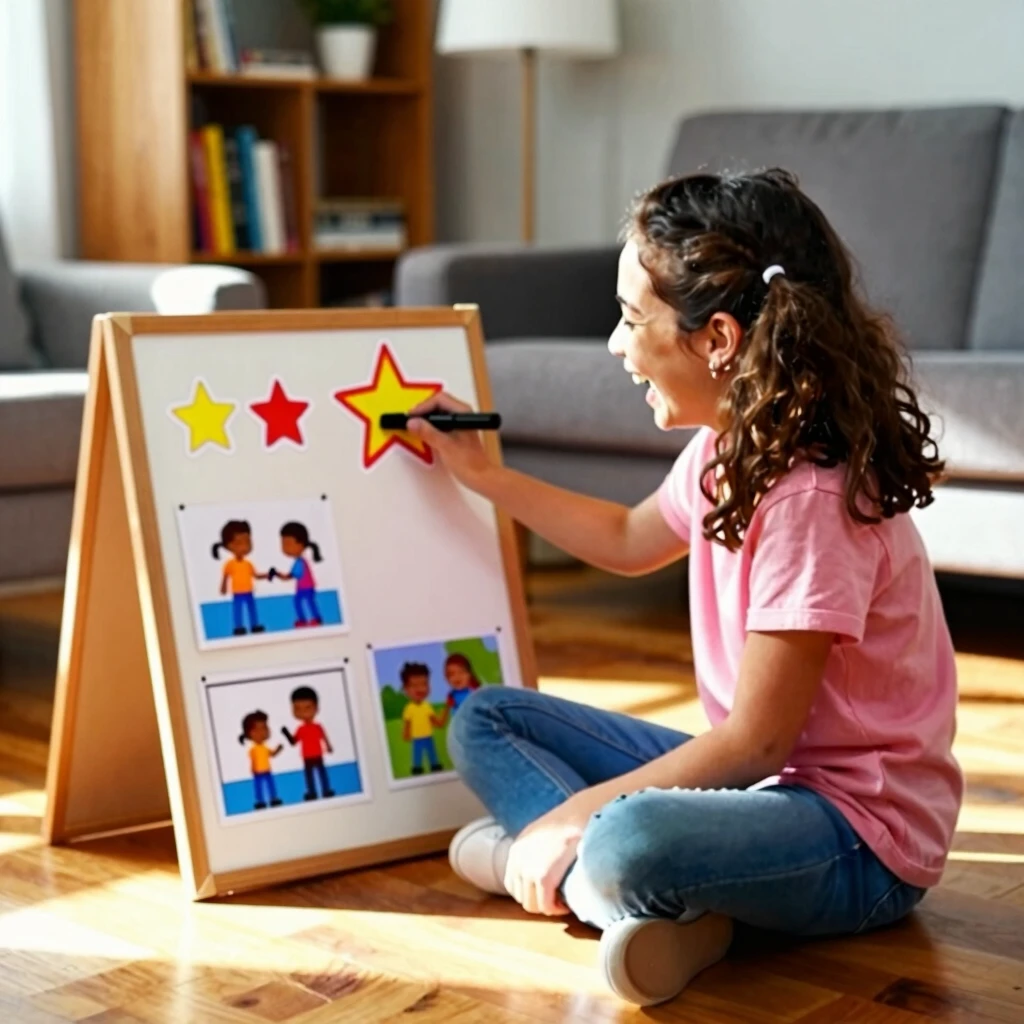
As routines evolve—school starts, siblings join—update visuals quarterly. Involve your child; ownership breeds buy-in.
From meltdowns to milestones, visuals guide the way. One mom shared how her son's schedule eased sibling rivalry: 'Big bro's turn' icon meant fair play.
Wrapping It Up
Creating effective visual supports for children with autism empowers families to navigate challenges with clarity and joy. From schedules to stories, these tools, rooted in Applied Behavior Analysis and behavioral therapy, unlock potential. Start today: sketch one visual, watch the difference. Your child's brighter tomorrow begins with a single picture.

Discuss Here