A Quick Overview
Food allergies affect millions, turning mealtimes into minefields for families. But hope is on the horizon. This article dives into the latest research on food allergy treatments, shares insights on managing chronic food allergies in children, and offers practical tips to ease daily life. From groundbreaking drugs to simple strategies, find real ways forward. (42 words)

The Growing Challenge of Food Allergies
I remember the day my nephew had his first severe reaction. One bite of peanut butter led to hives, swelling, and a frantic rush to the ER. Moments like these highlight why food allergies demand our attention. They impact about 8% of children in the U.S., often persisting into adulthood.
These reactions happen when the immune system mistakes harmless proteins in foods like nuts, milk, or eggs for threats. Symptoms range from mild itching to life-threatening anaphylaxis. But science is catching up fast, offering new paths beyond just avoidance.
Latest Research on Food Allergy Treatments: What's New in 2025
Excitement buzzes in allergy circles this year. Researchers have made strides that could change lives. Let's break down the highlights.
First up: omalizumab, known as Xolair. This injectable drug, approved by the FDA, blocks IgE antibodies that trigger reactions. A Johns Hopkins study from March 2025 showed it outperforms oral immunotherapy (OIT). Kids on omalizumab tolerated more allergen without severe side effects—think fewer upset stomachs or hives. For families tired of daily dosing risks, this feels like a game-changer.
Then there's the buzz around mRNA vaccines. Yes, the tech behind COVID shots now targets allergies. A Penn Medicine team in September 2025 tested one in mice. It stopped dangerous immune responses to foods and pollen. Human trials? On the horizon. Imagine vaccinating against allergies before they start—preventive power at its finest.
Don't overlook plant-based innovations. Scientists developed multi-layered protein bodies from plants to encapsulate allergens for safer oral treatments. This method, detailed in a November 2025 report, aims to build tolerance without the gut-wrenching side effects of traditional OIT.
Another gem: the asthma drug zileuton. Northwestern research from August 2025 found it blocks a key anaphylaxis trigger in mice. Early days, but it hints at repurposing existing meds for quicker relief.
And good news on prevalence: A CHOP study in October 2025 noted fewer peanut allergy diagnoses, possibly from early interventions. These advances remind me—progress isn't just lab talk; it's real hope for kids like my nephew.

Chronic FPIES: Understanding and Managing This Hidden Threat
Not all food allergies scream with immediate hives. Some whisper through the gut. Enter Food Protein-Induced Enterocolitis Syndrome (FPIES)—a non-IgE mediated allergy causing severe vomiting and diarrhea hours after eating triggers like rice or dairy.
Chronic FPIES hits harder in ongoing exposure, like formula-fed infants. It leads to poor weight gain and endless worry. As a auntie who's seen it up close, the helplessness stings. But updated guidelines from 2025 offer clarity.
Diagnosis starts with symptoms and elimination diets, confirmed by supervised challenges. Recent reviews stress ruling out infections first. Management? Strict avoidance remains king. Track triggers with a food diary—apps like MySymptoms make it easy.
For reactions, act fast: IV fluids prevent dehydration, per AAAAI guidelines. Ondansetron curbs vomiting, but steroids? Use sparingly. Long-term, most kids outgrow FPIES by age 3-5, but monitoring matters.
In chronic cases, hypoallergenic formulas help. One family I know switched to elemental ones—weight gain followed, tears dried up. Emerging research explores probiotics to balance gut flora, potentially easing symptoms. Stay tuned; trials are brewing.
Managing Chronic Food Allergies in Children: Everyday Wins
Living with chronic food allergies tests patience, but small steps build resilience. Kids aren't just patients—they're explorers navigating a world of labels and lunches. Drawing from chats with fellow parents, here's how to make it smoother.
10 Tips for Managing Food Allergies in Children
-
Master Label Reading: Turn grocery runs into treasure hunts. Teach kids to spot 'may contain' warnings early.
-
Build an Allergy Action Plan: Customize with your doctor. Include epinephrine auto-injectors—practice triggers without fear.
-
Safe Snack Swaps: Stock nuts-free trail mix or dairy-free yogurts. Involve kids in kitchen experiments for buy-in.
-
School Smarts: Share plans with teachers. Allergy-free tables work, but inclusion fosters empathy.
-
Emotional Check-Ins: Allergies can spark anxiety. Use books like The Food Allergy Fix to normalize talks.
-
Travel Prep: Pack extras—airports love surprises. Apps like AllergyEats map safe eateries.
-
Support Circles: Join groups via Food Allergy Research & Education (FARE). Hearing 'me too' heals.
-
Early Introduction (When Safe): For non-allergic siblings, guidelines suggest diverse foods to prevent issues.
-
Track Growth: Regular check-ups catch nutritional gaps. Dietitians tailor plans—no kid left hungry.
-
Celebrate Milestones: Outgrew a food? Pizza party! Positivity powers through.
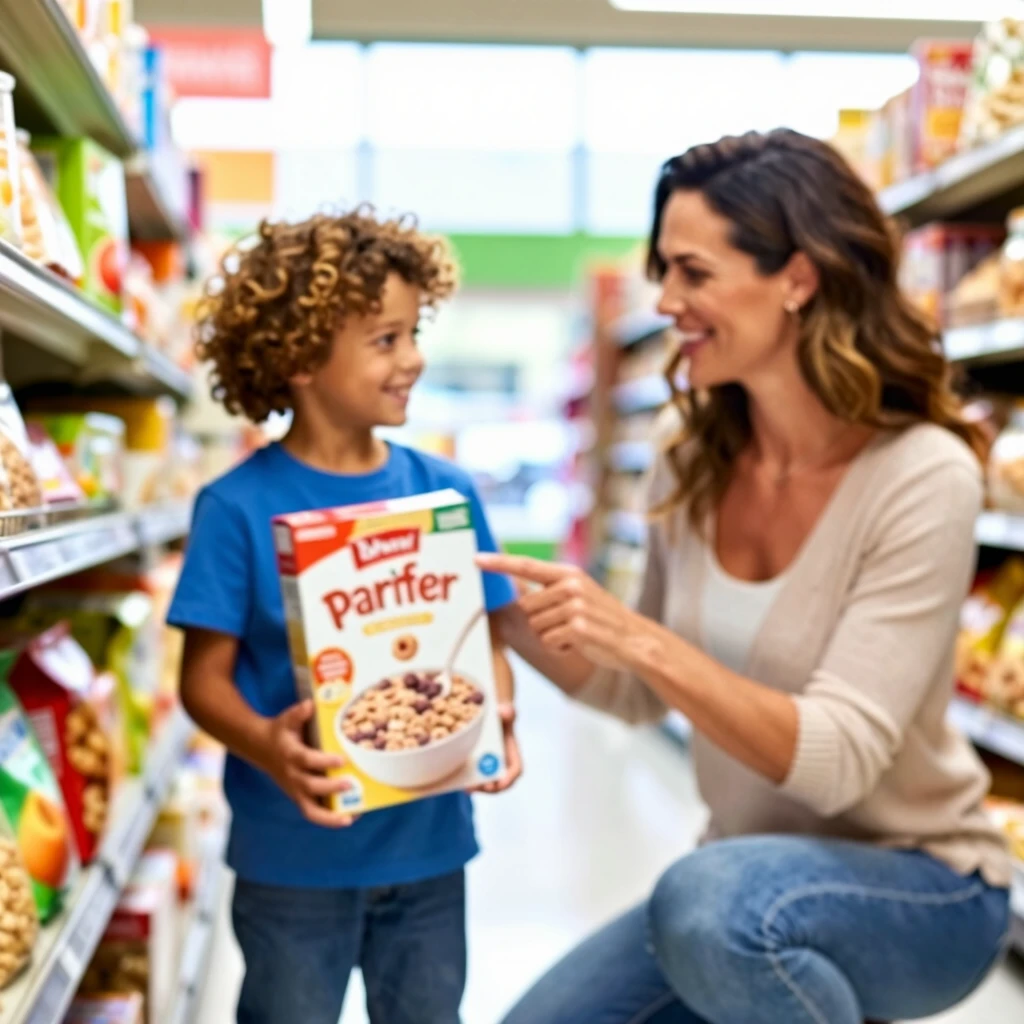
These tips aren't theory—they're lifelines. One mom shared how tip #7 turned isolation into community. Your family's rhythm will guide what sticks.
| Treatment Option | Pros | Cons | Best For |
|---|---|---|---|
| Omalizumab (Xolair) | Fewer side effects, quick tolerance build | Injections needed, cost | Moderate-severe allergies |
| Oral Immunotherapy | Builds long-term tolerance | Daily dosing, GI risks | Motivated families |
| mRNA Vaccines | Preventive potential | Still experimental | At-risk infants |
| Avoidance Diet | Simple, immediate | Limits choices | All cases |
This table sums options—chat with allergists to pick yours.
Personal Reflections: Navigating the Ups and Downs
Years ago, holiday dinners meant separate plates and sidelong glances. Today? We've adapted with love and laughs. My nephew, now 10, packs his EpiPen like a superhero gadget. Research like omalizumab gives us breathing room—less fear, more family time.
But it's not all smooth. Setbacks, like accidental exposures, teach grace. Lean on pros: pediatricians, therapists. And remember, you're not alone. Communities online and off share recipes, rants, and triumphs.
Wrapping Up: Steps Forward
The latest research on food allergy treatments lights a path from fear to freedom. From omalizumab's edge over OIT to mRNA's promise, science delivers. Pair it with smart managing chronic food allergies in children—like our 10 tips—and Chronic FPIES becomes manageable, not monstrous.
Take one step: Update your action plan or try a new safe recipe. Families thrive when informed and connected. Here's to healthier tomorrows. (Word count: 1523)

Discuss Here