Nutrition Equity: Feeding a Fair Future means everyone can enjoy healthy meals no matter their income, location, or background. This approach tackles unfair barriers that stop people from getting good nutrition. By focusing on Health Equity: Why It Matters Now, we build a healthier society where chronic conditions like diabetes and heart disease drop. It also highlights The Importance of Community Health in Underserved Areas, where fresh food often feels out of reach. Solving these issues means better access to care for chronic disease management and fewer economic hurdles for families. In short, fair nutrition creates stronger communities and saves lives.
I still remember my cousin's story from years back. She lived in a tight-knit neighborhood with limited grocery stores. Her kids ate mostly processed snacks because trips to the supermarket took too much time and money. A few months later, she developed high blood pressure. That experience opened my eyes to how food access shapes daily health. It made me realize that true fairness in nutrition goes far beyond what you eat on the plate. It touches every part of life, from school lunches to hospital diets.
One way to start is by supporting local farmers markets that bring fresh produce right to community centers. Many families in my area now use these weekly events. They save money and build stronger ties. Another step involves partnering with schools to offer free or low-cost healthy options. These small changes add up and help fight the bigger problem of economic barriers in healthcare access. When people have steady access to care for chronic disease management, their diets improve too.
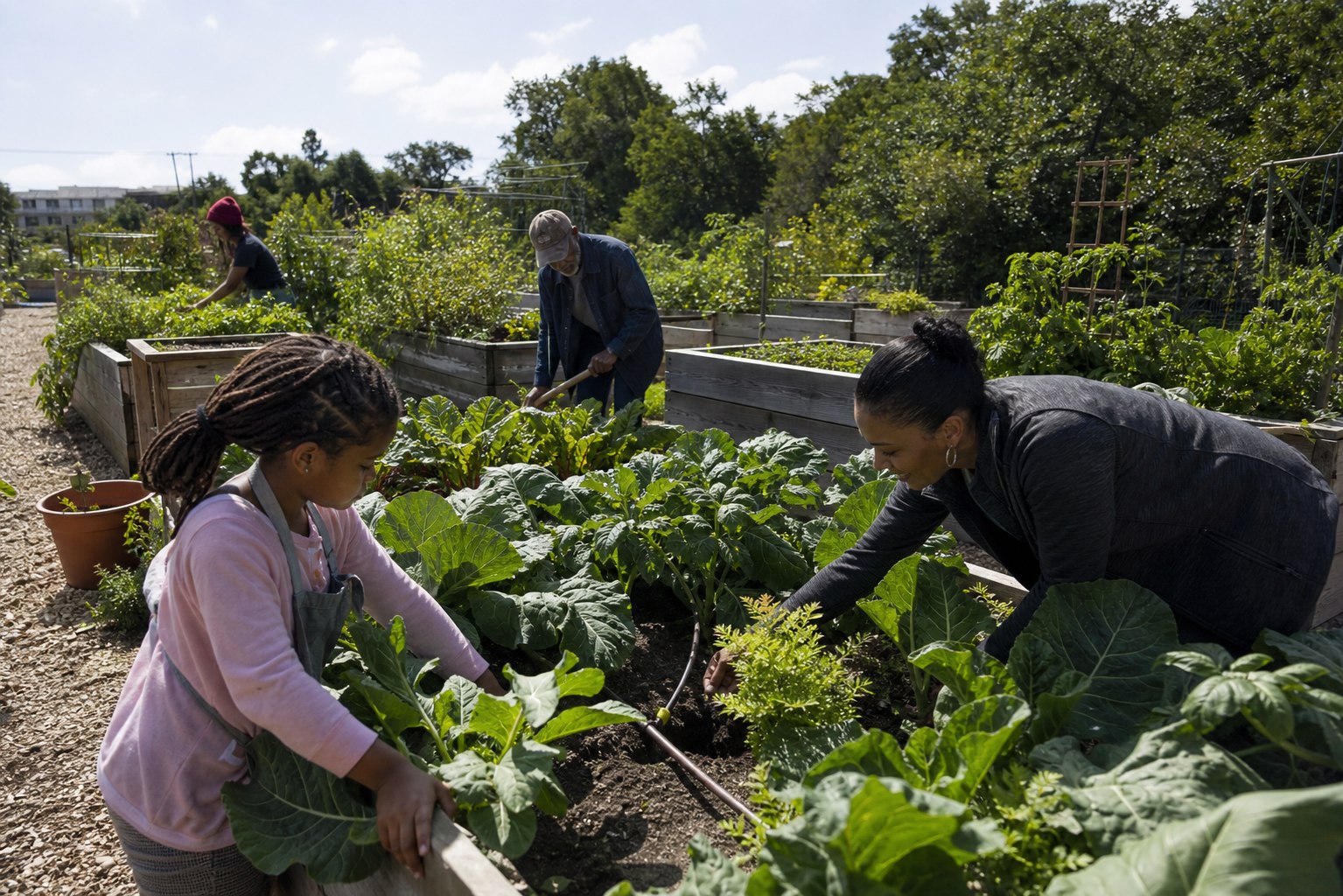
Food deserts hit harder in certain communities. According to the Centers for Disease Control and Prevention, these areas see higher rates of diet-related diseases. People here face more challenges with access to care for chronic disease management because healthy food is scarce. Overcoming Economic Barriers in Healthcare Access starts with programs that deliver produce directly to homes or workplaces. These efforts cut costs and improve outcomes fast.
Look at the numbers. In 2024, about 13.7 percent of U.S. households experienced food insecurity at some point. That figure jumps higher for families with children. USDA Economic Research Service shows these households often cut back on fresh vegetables to stretch budgets. The result? Higher risks for obesity and related conditions. But when communities join together, things change. Local food banks and co-ops make a real difference.
Another powerful tool is the 'Food Is Medicine' model. Doctors write prescriptions for fresh produce or meal plans instead of just pills. The CDC reports that such programs improve glycemic control and lower A1C levels in people managing diabetes. Families gain hope because they see quick results. This ties directly into Health Equity: Why It Matters Now, since these benefits reach groups that have waited too long for fair treatment.
Think about the built environment too. Neighborhoods without nearby supermarkets often rely on corner stores with high prices and poor choices. A study from MIT found that menu options in local spots link directly to obesity rates. When areas get better food access, people choose healthier options without extra effort. You can support this by shopping at co-ops or asking local leaders to add healthy stalls at farmers markets.
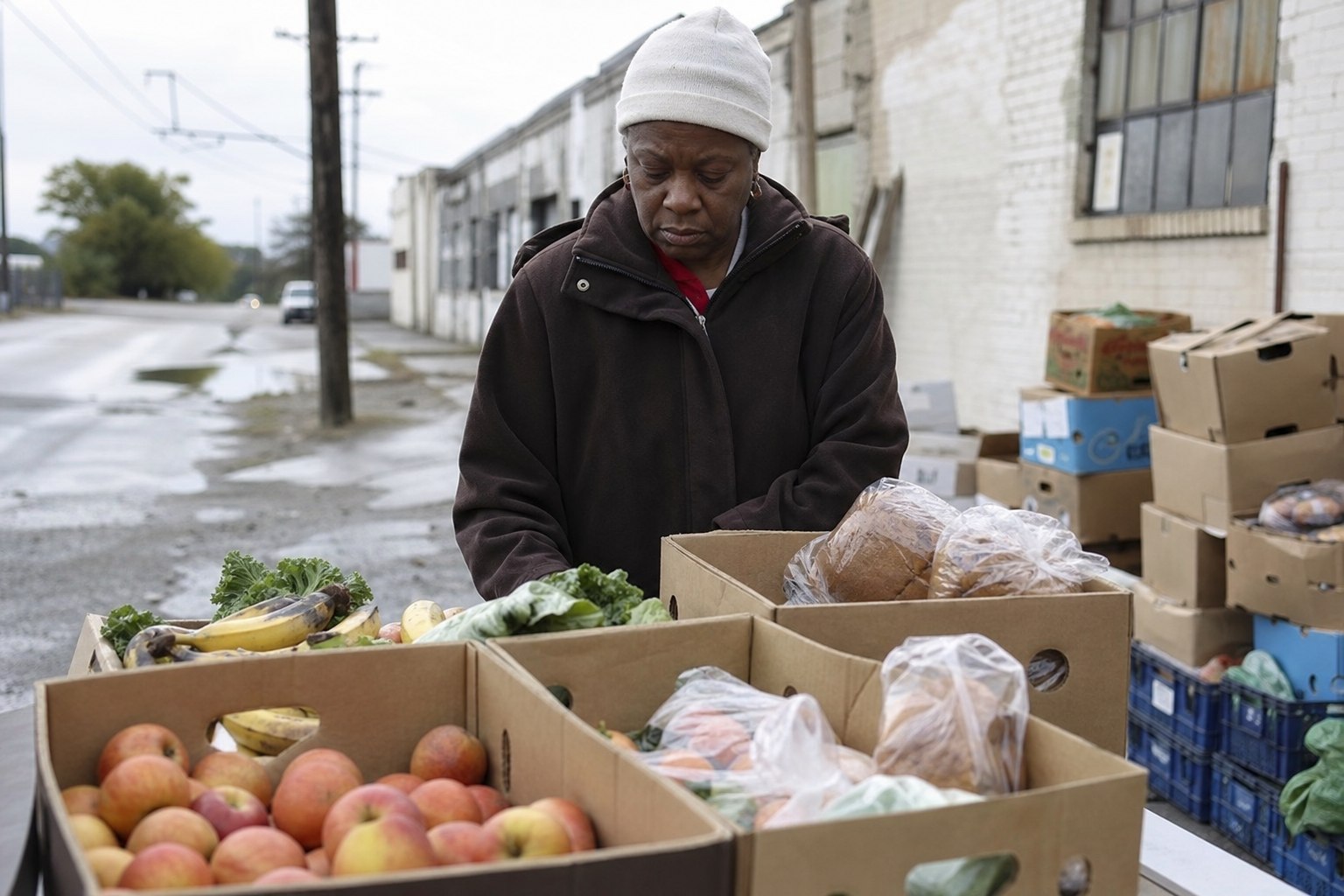
Policy changes make the biggest impact. Government programs like SNAP can include nutrition education or match dollars at markets. The Healthy Food Financing Initiative has opened many new stores in low-income zones. These steps lower economic barriers and give people more say in their health choices. For access to care for chronic disease management, balanced meals become easier to maintain at home and in clinics.
Rural communities face extra hurdles because stores sit far apart. Mobile markets and delivery services help, but they need steady funding. I saw this in action when a friend started a small delivery service in her area. Her neighbors loved the convenience, and health markers improved. These stories show that creative solutions work when communities lead them.
Education plays a key role too. Schools that teach kids about nutrition see fewer picky eaters and better long-term habits. Clinics that include diet coaches in chronic care plans do the same for adults. Both approaches build Health Equity: Why It Matters Now by giving everyone the tools to succeed. You can start small by reading labels with your family or volunteering at a food bank.
Barriers like transportation costs and work schedules block progress. Overcoming Economic Barriers in Healthcare Access means flexible hours for appointments and free rides for appointments. When families can afford healthy food and get the care they need, chronic conditions become easier to control. The payoff is huge: less time in hospitals and more energy for family and work.
Look at this simple table of actions anyone can take today:
| Action | Why It Helps |
|---|---|
| Shop at farmers markets | Lower prices and fresh options |
| Support local food co-ops | Builds community and access |
| Join produce prescription programs | Direct help for chronic management |
| Advocate for better zoning | More healthy stores nearby |
| Share recipes online | Spread fair nutrition tips |
In the end, Nutrition Equity: Feeding a Fair Future is about creating systems where no one goes hungry for good reasons. It connects directly to Health Equity: Why It Matters Now, The Importance of Community Health in Underserved Areas, and Overcoming Economic Barriers in Healthcare Access. When we all work together, access to care for chronic disease management becomes the norm. Small steps today lead to a healthier tomorrow for everyone.

Discuss Here