Walking might seem simple, but it holds incredible power for seniors. This guide explains how walking improves senior mobility and shares easy ways to make it part of your life. You will learn about low-impact cardio workouts for seniors, strength training tips for seniors, and wellness programs that boost senior health. With real stories and practical steps, you can build strength, balance, and confidence at any age.
Why Senior Mobility Matters More Than Ever
As we grow older, everyday tasks like climbing stairs or carrying groceries can feel harder. Joints get stiff, muscles lose power, and balance becomes tricky. This can lead to falls, less independence, and even feelings of isolation. But good mobility changes everything. It lets seniors keep doing the things they love, from playing with grandkids to traveling or gardening.
I have coached hundreds of seniors over the years, and the ones who focus on movement stay happier and healthier. Take Linda, a 71-year-old grandmother from my program. Before she started walking regularly, she avoided family outings because her knees hurt so much. Now she leads the pack on park trails. Simple walking made that possible. It proves you do not need fancy equipment or intense workouts to feel strong again.
How Walking Improves Senior Mobility
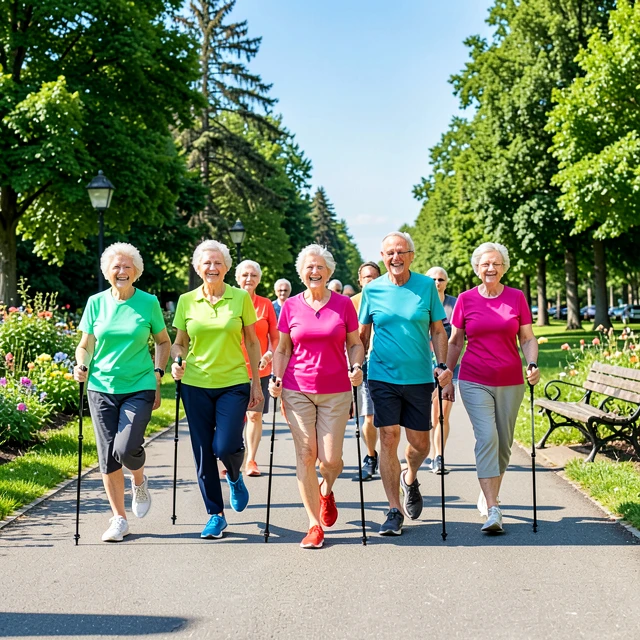
Walking works wonders because it is a full-body activity that builds exactly what seniors need. It strengthens leg and core muscles, which support better posture and balance. Each step increases blood flow to joints, reducing stiffness from arthritis and helping cartilage stay healthy. Over time, bones get denser, cutting the risk of breaks.
The mental side is just as important. Walking releases feel-good chemicals that lower stress and sharpen memory. Many seniors notice they sleep better and have more energy for daily life. According to the National Institute on Aging, regular walking can reduce mobility loss by nearly 30 percent in older adults. It also helps control weight and blood sugar, fighting off common age-related issues.
Real-life results speak volumes. John, a 68-year-old retiree I worked with, started with just 10-minute walks around his block. Three months later, he could walk for an hour without stopping and even joined a local hiking group. His doctor was amazed at the improvement in his balance tests. These changes happen because walking trains the body in the exact movements we use every day.
Low-Impact Cardio Workouts for Seniors
Low-impact cardio workouts for seniors are perfect because they raise your heart rate without pounding your joints. Walking leads the pack here. It is free, needs no gym, and you can do it anywhere. A brisk pace gets your heart pumping safely while building endurance.
Other smart choices include swimming laps or water walking, which let the water support your weight. Stationary cycling is another gentle option that keeps knees happy. The key is choosing what feels good and sticking with it. Health experts suggest 150 minutes of this type of activity each week, spread out in short sessions if needed.
These workouts improve heart health, lower blood pressure, and help manage diabetes risk. Seniors who add them to their routine often say they feel younger and more capable. Start where you are and celebrate small wins like walking an extra block each week.
Best Cardio Workouts for Seniors to Try Today
If you are searching for the best cardio workouts for seniors to try today, walking tops the list for its ease and results. But variety keeps things fresh. Try marching in place while watching your favorite show or doing gentle arm circles during walks. These moves fit easily into any schedule.
Interval walking works great too. Walk at a normal speed for two minutes, then pick up the pace for one minute. Repeat for 20 to 30 minutes. It builds stamina fast and burns more calories without extra effort. Many seniors love group walks at community centers because the social chat makes time fly.
Mixing these best cardio workouts for seniors to try today with daily habits creates lasting change. One client added short walks after meals and saw her energy soar within weeks. The secret is starting small and building slowly so it becomes a natural part of your day.
Strength Training Tips for Seniors
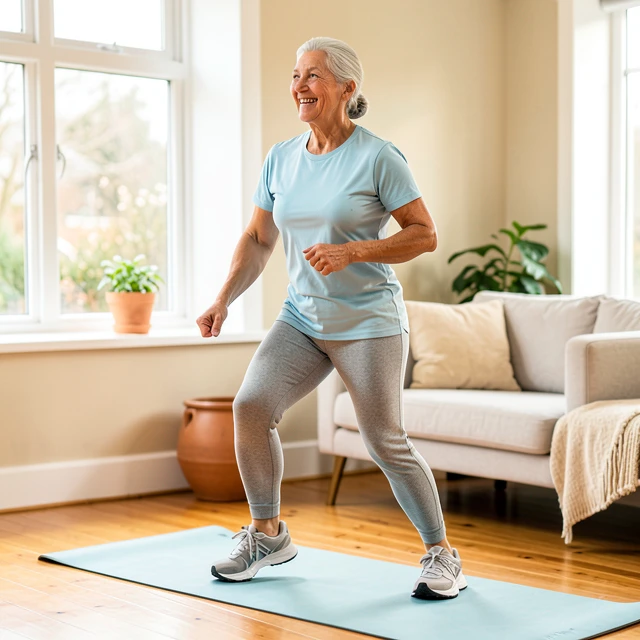
Walking becomes even more powerful when you add strength training tips for seniors. Strong muscles protect joints and improve balance, making falls less likely. Focus on simple moves you can do at home with no equipment or just light weights.
Try chair squats by standing up slowly from a sturdy seat, or wall push-ups to build upper body power. Seated leg lifts strengthen hips and thighs without stress. Aim for two or three sessions a week, doing 8 to 12 repetitions of each exercise. Rest a day between sessions so your body recovers.
Always warm up with a short walk first and focus on good form. Breathe out during the effort part of the move. If something hurts beyond mild muscle effort, stop and check with a doctor. Seniors who follow these strength training tips for seniors alongside walking report steadier steps and easier daily tasks. One 76-year-old man in my group went from needing help with groceries to carrying them independently after consistent practice.
Wellness Programs That Boost Senior Health
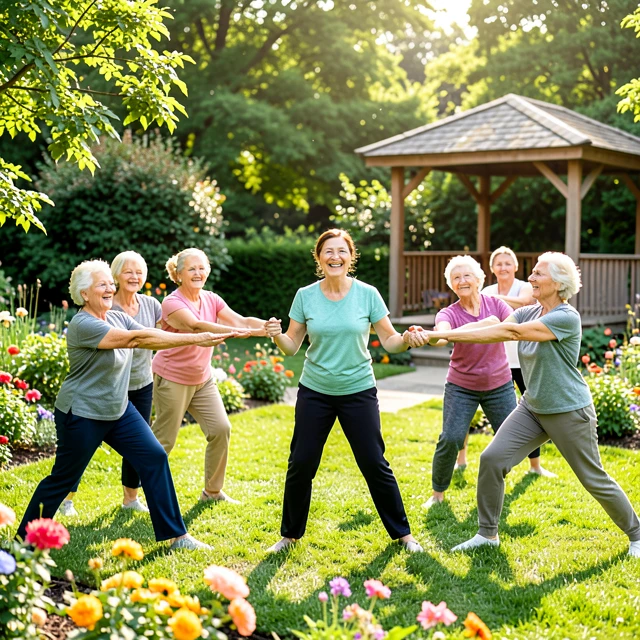
Wellness programs that boost senior health often center on walking because it delivers results across body and mind. Local senior centers, parks departments, and online platforms run group walking clubs, gentle yoga sessions, and health workshops. These programs add structure and fun while connecting you with others who share the same goals.
Many include nutrition talks, balance classes, and even mental health check-ins. Some are free through community services or low-cost at places like the YMCA. Apps can guide you with virtual walks if you prefer staying home. The social part matters hugely. Sharing stories and encouragement keeps motivation high.
I saw this firsthand in a wellness program I led. Participants who walked together three times a week not only improved their mobility scores but also formed lasting friendships. Their blood pressure dropped, and many reduced reliance on pain medication. Wellness programs that boost senior health turn exercise from a chore into something you look forward to.
Practical Tips to Start Walking and Stay Consistent
Getting started is easier than you think. Here are clear steps that work for most seniors:
- Pick supportive shoes with good cushioning and a firm heel to protect your feet.
- Begin with 10 to 15 minutes a day and add time gradually each week.
- Walk after meals to help digestion and steady blood sugar.
- Track your walks in a notebook or simple phone app to see your progress.
- Walk with a friend or join a local group for extra motivation and safety.
Use this quick comparison to see why walking fits perfectly:
| Activity | Impact on Joints | Equipment Needed | Social Benefit |
|---|---|---|---|
| Walking | Very low | None | High in groups |
| Swimming | None | Pool access | Medium |
| Cycling | Low | Bike or machine | Low unless in class |
Listen to your body and rest if you feel sharp pain. Stay hydrated and wear sunscreen on sunny days. These small habits turn how walking improves senior mobility into a lifelong routine that keeps you active and independent.
Wrapping Up: Your Path to Better Mobility Starts Now
Walking offers a safe, effective way to regain and maintain senior mobility. When you combine it with low-impact cardio workouts for seniors, strength training tips for seniors, and wellness programs that boost senior health, the results multiply. You gain strength, balance, confidence, and joy in daily life. Start today with a short walk around the block. Small steps lead to big changes. Your body and mind will thank you for years to come.

Discuss Here