Creating Sensory-Friendly Classrooms: Practical Tips
In today's diverse classrooms, many students face sensory challenges that can affect their ability to learn and thrive. A sensory-friendly classroom reduces overwhelming stimuli and provides tools for regulation, helping every child focus better and participate fully. This guide offers real-world advice for educators seeking to build supportive spaces.
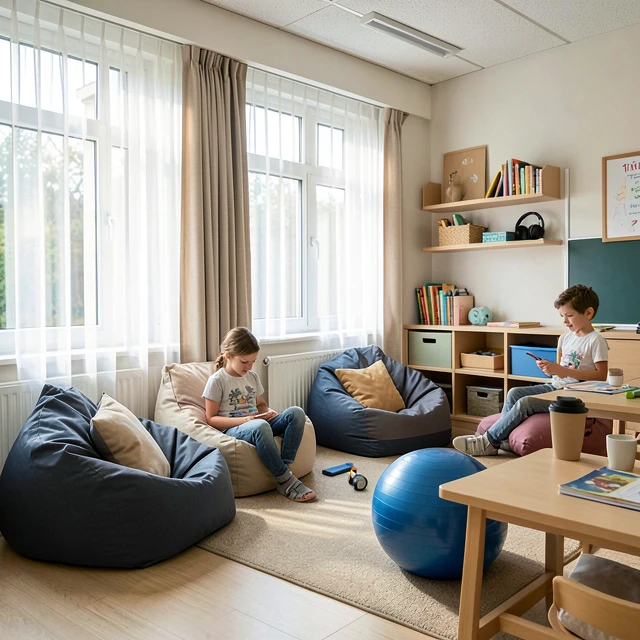
Understanding the sensory needs of students is the first step. Many children, particularly those on the autism spectrum, process sights, sounds, textures, and smells differently. What feels normal to one student might cause distress to another. By observing behaviors and listening to students, teachers can identify triggers and create solutions.
I once worked with a bright student who seemed distracted during lessons. After talking with him, we realized the buzzing fluorescent lights were overwhelming. Simple changes like using natural light made a huge difference in his focus and mood.
Understanding Autism: A Guide for Educators starts with recognizing that autism affects communication, social interaction, and sensory processing. Not every student shows the same signs, but common sensory sensitivities include sensitivity to noise, bright lights, or certain textures. Educators who take time to learn these differences can transform their teaching approach.
Why Sensory-Friendly Classrooms Matter
Sensory overload can lead to anxiety, meltdowns, or withdrawal. On the other hand, a well-designed space promotes calm, engagement, and learning. Research and classroom experience show that these environments benefit not just students with autism but everyone in the class by reducing distractions and increasing comfort.
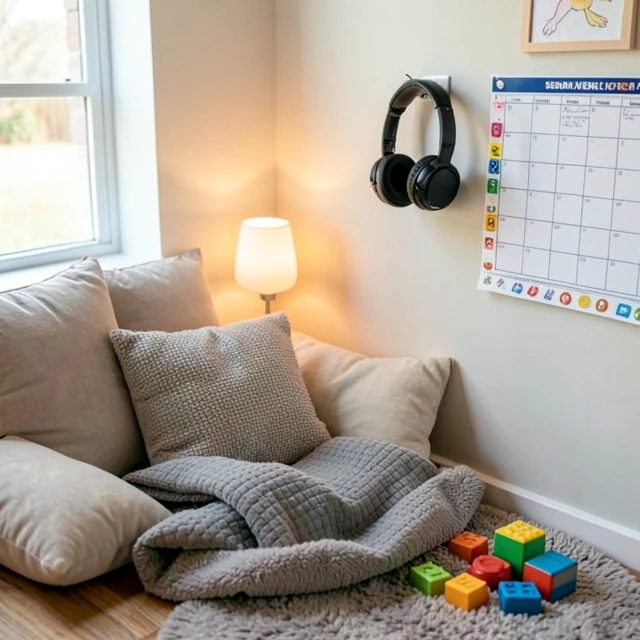
Practical changes don't need to be expensive or complicated. Start small and build from there. Many teachers report seeing immediate improvements in student behavior and participation after implementing even a few tips.
Lighting Adjustments
Harsh overhead lighting is a common culprit for sensory discomfort. Switch to natural light when possible or use softer, warm-toned bulbs. Dimmable lights or lamps give flexibility. Covering windows with sheer curtains can diffuse bright sunlight effectively.
Sound Management
Classrooms are naturally noisy. Add soft furnishings like rugs, curtains, or tennis balls on chair legs to absorb sound. Provide noise-canceling headphones or earplugs as options. Some students actually need background noise, like white noise machines, to focus better. Experiment to find what works for your group.
Flexible Seating and Movement
Traditional desks don't suit every learner. Offer choices like standing desks, stability balls, bean bag chairs, or floor cushions. These options allow movement, which helps many students regulate their bodies and stay attentive. One teacher I know saw her most active students complete more work after introducing bouncy seats.
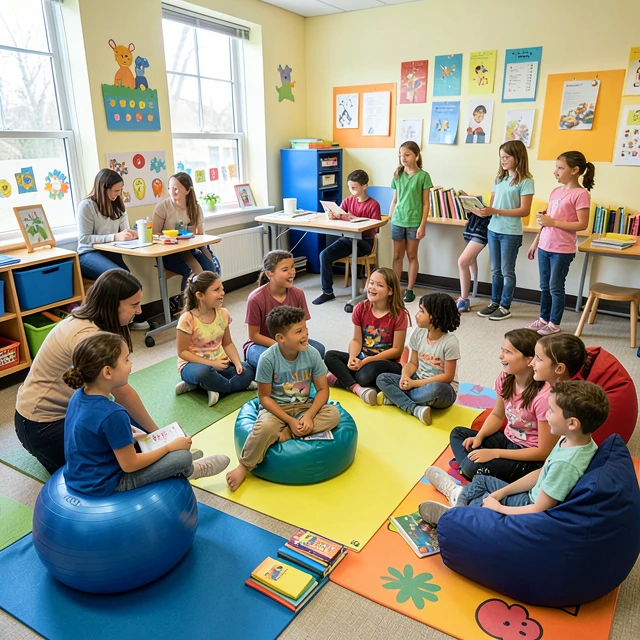
Incorporating The Benefits of ABA in School Settings
Applied Behavior Analysis, or ABA, offers powerful tools for supporting students. The Benefits of ABA in School Settings include improved communication, social skills, and reduced challenging behaviors through positive reinforcement and structured teaching.
ABA focuses on understanding why behaviors occur and using data to guide interventions. It's not about changing who a child is but helping them succeed in their environment.
How to Implement Applied Behavior Analysis in Schools
Start with clear expectations and consistent routines. Use visual schedules to show the day's activities – these reduce anxiety for many students. Break tasks into small steps, a technique called task analysis, and celebrate small successes with specific praise.
Collect simple data on what works. For example, track how often a student uses a fidget tool successfully during lessons. Adjust based on observations. Training for teachers makes implementing Applied Behavior Analysis smoother and more effective across the school.
Personal insight: In my experience supporting classrooms, combining sensory strategies with ABA principles creates synergy. A student who learns to request a break using a picture card (an ABA technique) can better manage sensory overload, leading to fewer disruptions and more learning time.
More Actionable Tips for Success
-
Create a Sensory Retreat: Designate a quiet corner with comforting items like weighted blankets, books, or calming visuals. Teach students when and how to use it proactively.
-
Minimize Visual Clutter: Keep walls organized. Use neutral colors for backgrounds and limit hanging decorations.
-
Provide Sensory Tools: Fidget toys, stress balls, chewable items, or textured materials can help students self-regulate discreetly.
-
Support Transitions: Give advance warnings before changing activities. Use timers or visual cues.
-
Involve Students: Ask for their input on what helps them. This builds self-awareness and ownership.
Use this simple checklist for quick wins:
- Lighting: Natural or soft options available?
- Seating: Choices for movement?
- Sound: Absorption materials and headphones?
- Organization: Low clutter and clear routines?
- Tools: Sensory items accessible?
For deeper dives into supporting neurodiverse learners, consider professional development on sensory integration and behavior strategies. Collaboration with occupational therapists or behavior specialists can provide tailored plans.
Measuring Progress and Celebrating Wins
Track improvements in focus, participation, and emotional regulation. Talk with students about how changes feel. Small adjustments often lead to big gains in confidence and academic success.
Remember, creating sensory-friendly classrooms is an ongoing process. What works for one group might need tweaking for another. Stay flexible and observant.
In conclusion, Creating Sensory-Friendly Classrooms: Practical Tips leads to happier, more engaged students. By understanding individual needs, implementing thoughtful changes, and drawing on approaches like Applied Behavior Analysis, educators can build environments where every child has the chance to succeed. The effort invested pays off in a more inclusive and effective learning space for all.

Discuss Here