Advanced Techniques in Applied Behavior Analysis are changing how professionals and families tackle tough behavior challenges. These methods build on core principles to create deeper, longer-lasting improvements. In this guide, you will discover how Applied Behavior Analysis for behavior modification works in real settings, mixing behavioral therapy and family therapy for practical wins.

You have probably heard of Applied Behavior Analysis before. It is a science-based way to understand and change behavior using data and proven methods. But advanced techniques take it further. They focus on teaching skills that stick across different places and people. From my 12 years working directly with families, I have seen these approaches turn frustration into confidence.
Start with the basics to see the upgrade. Standard Applied Behavior Analysis might use simple rewards for good actions. Advanced Techniques in Applied Behavior Analysis add layers like teaching the person to communicate needs independently. This reduces problem behaviors naturally. Families tell me it feels less like training and more like real growth.
Why Advanced Techniques Matter Today
Modern life brings new challenges—screen time battles, school transitions, and social pressures. Applied Behavior Analysis for behavior modification now uses these advanced methods to address them head-on. You get tools that fit busy schedules and diverse family needs. No more one-size-fits-all plans.
One standout method is Functional Communication Training. Instead of guessing why a child acts out, you teach them clear ways to ask for what they need. Picture a toddler who hits to get attention. With this technique, they learn to tap a picture card or say a word. Problem solved faster and kinder. I have watched this shift family dynamics in weeks.
Another game-changer is Pivotal Response Training. This approach targets key skills like motivation and self-initiation. Sessions happen in natural settings, like during playtime at home. Parents join in, making it feel like family therapy rather than clinical work. The results? Kids start conversations, share toys, and show joy in learning.
Precision Teaching brings data to the next level. You measure tiny improvements daily and adjust instantly. It works great for building fluency in reading, math, or social greetings. One parent I worked with used it for bedtime routines. Within a month, nights went from chaos to calm predictability.
Here is a quick comparison to help you see the difference:
| Technique | Focus | When to Use |
|---|---|---|
| Basic Reinforcement | Reward good behavior | Early stages or simple habits |
| Functional Communication Training | Replace problem behavior with words | When communication breaks down |
| Pivotal Response Training | Build motivation naturally | Daily family routines |
| Precision Teaching | Track and speed up learning | Academic or skill fluency goals |
Technology now supercharges these methods. Apps track progress in real time. Virtual reality helps practice social skills safely. Telehealth sessions let rural families access expert behavioral therapy without travel. These tools make Advanced Techniques in Applied Behavior Analysis available to more people than ever.
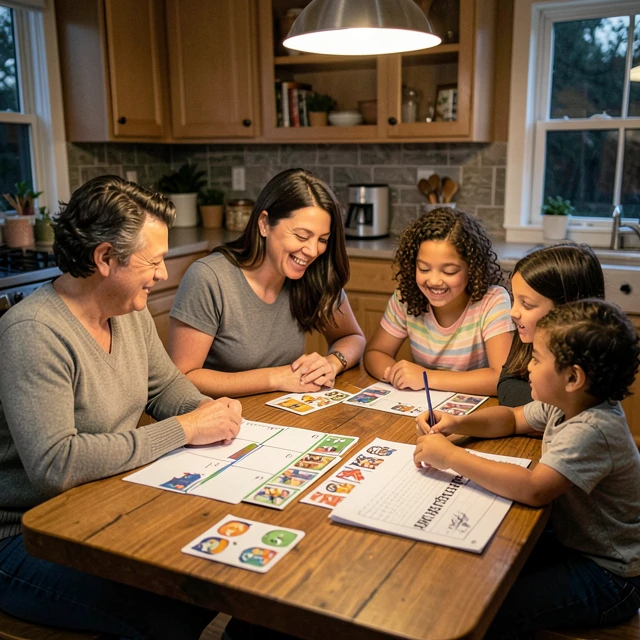
Family therapy plays a huge role in success. Parents are not just observers—they become active partners. Training sessions teach them how to use the same strategies at dinner, bedtime, or play. This consistency across adults creates powerful change. One mom shared with me how her whole household felt more connected after learning these skills.
Consider cultural fit too. Advanced methods now adapt to different backgrounds and languages. A therapist might incorporate family traditions into lessons. This respect builds trust and speeds progress. In my experience, culturally sensitive plans lead to higher family buy-in and better long-term results.
Let us talk generalization—the big goal. You want skills to work at school, grandma’s house, and the grocery store. Advanced Techniques in Applied Behavior Analysis use varied practice settings and people right from the start. No more skills that only show up in the clinic.
Maintenance keeps gains alive after formal help ends. You build in self-monitoring and natural rewards. Children learn to check their own progress. Families celebrate small wins together. This prevents old behaviors from creeping back.
Real stories make it clear. I once supported a family whose teen struggled with anger. Using advanced chaining techniques—breaking complex tasks into steps—we created a calm-down routine. Combined with family therapy meetings, the teen gained control. Six months later, school reports showed fewer outbursts and stronger relationships.
Actionable tip for parents: Start small. Pick one routine, like morning chores. Use a visual list and immediate praise. Track what works for three days. Adjust based on data. This mirrors professional behavioral therapy and builds your confidence fast.
Professionals benefit too. Continuing education in these advanced areas keeps skills sharp. Supervision groups share case examples. The field grows quickly, so staying current matters.

Challenges exist. Some worry about time commitment. Others fear it feels too mechanical. The truth? Done right, it feels warm and human. Focus on connection first. Data guides, but relationships heal.
Cost can be a barrier. Many insurance plans now cover Applied Behavior Analysis for behavior modification. Community programs and online training lower the entry point. Check local resources or certified providers for options.
Ethical practice always comes first. Respect dignity. Involve the person in choices when possible. Monitor for side effects like frustration. Great therapists keep the individual’s happiness at the center.
Looking ahead, the future looks bright. Researchers explore brain-based measures and personalized plans using AI insights. But the heart stays the same: clear goals, kind methods, and family teamwork.
In summary, Advanced Techniques in Applied Behavior Analysis give you proven, adaptable ways to create positive change. Whether you are a parent, teacher, or therapist, these strategies blend science with heart. Combine them with behavioral therapy and family therapy for results that last a lifetime. Start today with one small step—you will see the difference.

Discuss Here